Restaurant design is all about atmosphere, from lighting to music, seating to services and of course a good space planning. Bringing a vision for a great bar concept to life requires thoughtful planning and expert execution.
How Many Bar Stools Do I Need
The number of bar stools you need depends on the size of your bar or counter and how much space you want to allow between each stool. As a general rule, you should allow 26-30 inches of space between each stool to provide comfortable seating and allow people to move around easily.
To determine the number of bar stools you need, measure the length of your bar or counter and divide it by the recommended spacing between each stool (26-30 inches). This will give you the maximum number of stools that can fit in the space.
However, keep in mind that you may want to leave some extra space at the ends of the bar or counter, and you may not want to fill the entire length with stools. You should also consider the size of the stools themselves and whether they will fit comfortably within the space you have.
In addition, if you plan to use the stools for entertaining or gatherings, you may want to have a few extra stools on hand to accommodate guests.
Restaurant Design Interior Ideas
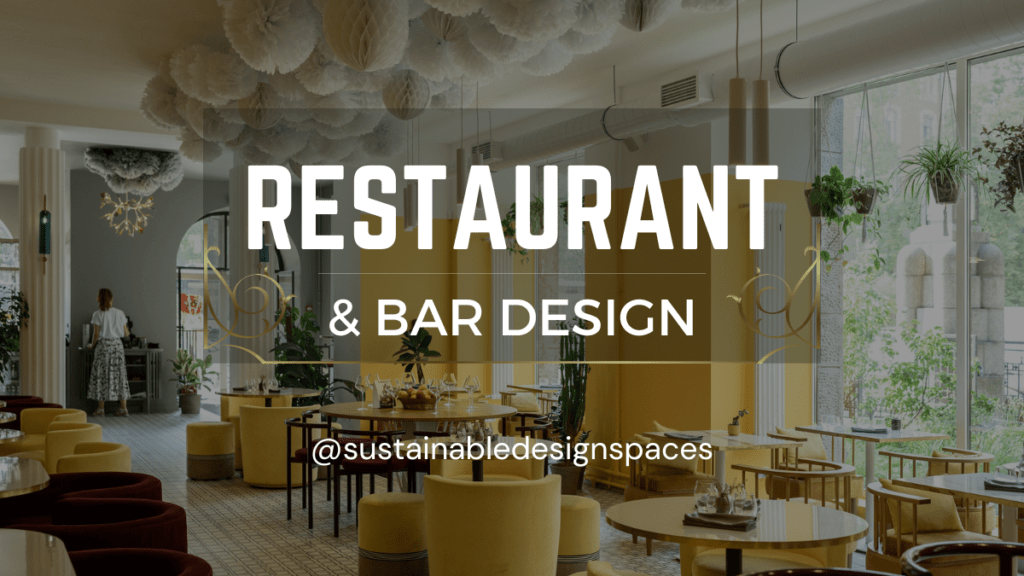
Requirements For Restaurant Design
There are several key requirements for designing a restaurant that will ensure its success, including:
- Functionality: The restaurant design should be functional and efficient, with an appropriate layout that maximizes space and allows for easy movement of staff and customers. The kitchen and service areas should be well-organized and designed to meet the needs of the menu and service style.
- Atmosphere: The design should create a welcoming and inviting atmosphere that reflects the restaurant’s concept and brand. This includes considerations such as lighting, color scheme, decor, music, and overall ambiance.
- Comfort: The restaurant design should prioritize the comfort of customers, with appropriate seating and table arrangements, comfortable temperatures, and appropriate noise levels.
- Safety: The restaurant should meet all safety requirements and regulations, including fire codes, electrical codes, and building codes. This includes considerations such as emergency exits, sprinkler systems, and smoke detectors.
- Accessibility: The restaurant should be accessible to all customers, including those with disabilities. This includes considerations such as wheelchair accessibility, accessible restrooms, and appropriate signage.
- Sustainability: The design should incorporate sustainable and eco-friendly practices wherever possible, such as energy-efficient lighting, recycling programs, and locally-sourced materials.
- Budget: The design should be tailored to the restaurant’s budget, balancing aesthetic and functional considerations with cost-effectiveness.
Overall, a successful restaurant design should prioritize functionality, atmosphere, comfort, safety, accessibility, sustainability, and budget. By addressing these key requirements, you can create a restaurant that is not only visually appealing, but also functional, safe, and welcoming for all customers.
Types of Restaurant Design
There are several types and theme for restaurant design ideas that can be used to create a unique and engaging dining experience. Some of the most common types include:
1. Classic Design

This type of restaurant design typically features traditional decor and architecture, such as ornate chandeliers, rich wood paneling, and luxurious fabrics. It can create a sense of elegance and sophistication, perfect for fine dining establishments.
2. Modern Design

This type of restaurant design often features clean lines, minimalist décor, and a focus on technology and innovation. It can create a sleek and sophisticated atmosphere, perfect for contemporary restaurants and bars.
3. Rustic Design

This type of restaurant design often features natural materials such as wood, stone, and brick, as well as earthy colors and cozy lighting. It can create a warm and welcoming atmosphere, perfect for casual and family-friendly dining.
4. Industrial Design

This type of restaurant design often features exposed brick walls, metal accents, and rough-hewn wood furnishings. It can create a trendy and edgy atmosphere, perfect for hip and modern restaurants and bars.
5. Theme-Based Design

This type of restaurant design is centered around a specific theme or concept, such as a beachside seafood restaurant or a cowboy-themed steakhouse. It can create a unique and memorable dining experience, perfect for creating a strong brand identity and customer loyalty.
Bar Design For Restaurant
The type of restaurant and bar design you choose will depend on your brand identity, menu, target audience, and budget. By working with a professional designer or architect, you can create a restaurant design that meets your specific needs and helps you stand out in a competitive industry.
Bar Design Ideas

There are many bar design ideas that can be used to create a unique and engaging space for customers. Here are some popular bar design ideas:
1. Open and Inviting: A bar design that is open and inviting can create a sense of warmth and welcome for customers. This can be achieved by incorporating warm lighting, comfortable seating, and a welcoming color scheme.
2. Unique Lighting: Creative lighting can help to set the mood and create a memorable atmosphere in a bar. Consider using unique lighting fixtures or accent lighting to highlight specific areas of the bar or create a specific ambiance.
3. Interesting Materials: Incorporating unique materials, such as reclaimed wood, exposed brick, or metal accents, can create a trendy and edgy atmosphere in a bar. These materials can be used in bar fronts, flooring, or even on the walls.
4. Colorful Accents: Adding pops of color to a bar design can create a fun and energetic atmosphere. Consider incorporating colorful bar stools, vibrant artwork, or colorful glassware to add a splash of color.
5. Outdoor Seating: Incorporating outdoor seating can help to expand the bar’s capacity and create a more relaxed and casual atmosphere. Consider adding a patio or outdoor seating area to provide customers with a place to enjoy drinks and socialize.
6. Themed Décor: Incorporating a specific theme into the bar design can create a memorable experience for customers. Consider incorporating themed décor, such as vintage posters or specific color schemes, to create a cohesive theme.
Conclusion
In conclusion, the design of a restaurant or bar is crucial in creating a memorable and enjoyable experience for customers.
There are several types of restaurant design, including classic, modern, rustic, industrial, and theme-based designs, each of which can be tailored to meet the needs of your brand identity, menu, target audience, and budget.
Whether you are looking to create a fine dining restaurant, a casual bar, or a trendy wine bar, working with a professional designer or architect can help you bring your vision to life and stand out in a competitive industry. If you found this post useful, be sure to comment and follow.