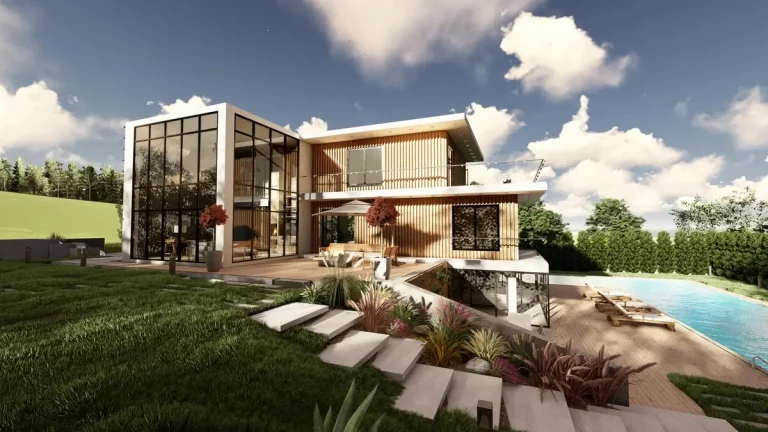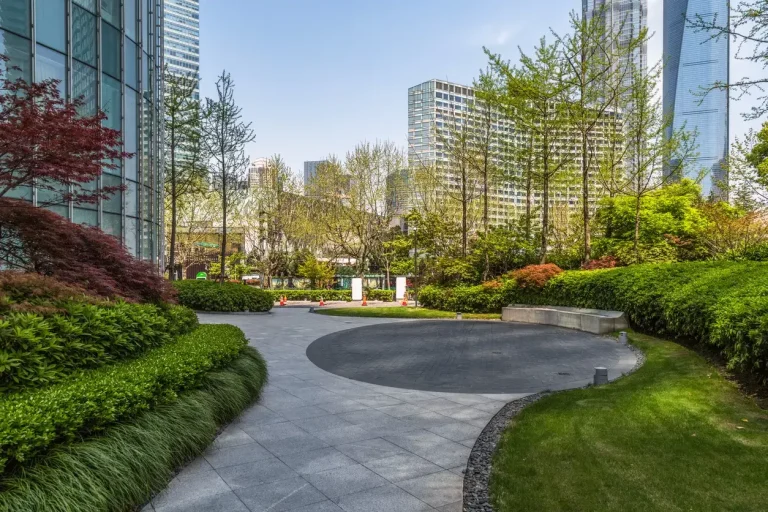

Imagine transforming urban spaces, creating sustainable environments, and leaving a lasting impact on how people interact with the world around them. Landscape architecture is more than just a career—it’s a powerful blend of art, science, and environmental stewardship that shapes our living spaces, from bustling city parks to serene private gardens.
The landscape architecture profession stands at a critical intersection of creativity, sustainability, and technological innovation. This comprehensive guide will walk you through everything you need to know about launching a successful career in Landscape architecture.
What is Landscape Architecture
Landscape architecture is the art and science of designing outdoor environments. It blends creativity, technical knowledge, and environmental awareness to create functional, aesthetic, and sustainable spaces. It is a complex, multidisciplinary profession that goes far beyond simply designing outdoor spaces. Professionals in this field are:
- Environmental problem solvers
- Urban planners
- Ecological designers
- Public space innovators
- Sustainability experts
What Do Landscape Architects Actually Do?
Landscape architects work on a diverse range of projects, including:
- Urban park design
- Corporate campus landscapes
- Residential garden planning
- Environmental restoration projects
- Sustainable urban development
- Historic preservation landscapes
- Green infrastructure design
How to Start a Career in Landscape Architecture
Discover the comprehensive guide to launching a successful landscape architecture career. Learn about education, skills, technologies, and opportunities in this dynamic field.
Table of Contents
Educational Pathways: Building Your Foundation
To practice as a landscape architect, you’ll typically need a degree accredited by the Landscape Architectural Accreditation Board (LAAB).
1. Academic Requirements
Undergraduate Degree
- Most common path: Bachelor of Landscape Architecture (BLA)
- Typical program duration: 4-5 years
- Key coursework includes:
- Design studio classes
- Plant sciences
- Environmental systems
- Computer-aided design (CAD)
- Urban planning
- Ecology and sustainability
Graduate Degree Options
- Master of Landscape Architecture (MLA)
- Ideal for:
- Career changers
- Advanced specialization
- Research-oriented professionals
- Typical program duration: 2-3 years
2. Accreditation and Certification
Important Credentials
- LAAB (Landscape Architectural Accreditation Board) Accreditation
- Ensures quality educational standards
- Critical for professional recognition
- Professional Licensing
- Required in most states
- Involves:
- Degree from accredited program
- Extensive work experience
- Passing the Landscape Architect Registration Examination (LARE)
Essential Skills for Success

Technical Skills
- Proficiency in Software: AutoCAD, SketchUp, and Adobe Creative Suite
- 3D Modeling and Visualization: Tools like Rhino and V-Ray
- GIS Mapping: For site analysis and planning
- Understanding of ecological principles
Related: Top 10 Best Landscape Design Tools for Professionals
Soft Skills
- Creative problem-solving
- Communication
- Project management
- Client interaction
- Interdisciplinary collaboration
- Environmental awareness
Career Specialization Paths
1. Urban Design Specialist
- Focus on city planning
- Create sustainable urban environments
- Work with municipal governments
- Average Salary: $65,000 – $95,000
2. Environmental Restoration Expert
- Ecological rehabilitation projects
- Work with conservation organizations
- Critical for climate change mitigation
- Average Salary: $60,000 – $85,000
3. Sustainable Design Consultant
- Green infrastructure development
- Corporate sustainability initiatives
- Climate-resilient design strategies
- Average Salary: $70,000 – $100,000
4. Residential Landscape Design
- High-end residential projects
- Private garden and outdoor space design
- Personal client interactions
- Average Salary: $55,000 – $85,000
5. Public Space Designer
- Parks and recreation areas
- Community-focused design
- Government and municipal projects
- Average Salary: $60,000 – $90,000
Breaking Into the Industry: Practical Steps
1. Build a Compelling Portfolio
- Showcase diverse projects
- Highlight unique design approaches
- Include both academic and professional work
- Demonstrate technical and creative skills
What to Include:
- Academic projects showcasing design creativity
- Internship or freelance work
- Personal projects demonstrating technical and problem-solving skills
Tips for Success:
- Use high-quality visuals (plans, renders, and photographs).
- Organize your portfolio to tell a story.
- Keep it concise, professional, and tailored to your audience.
View my portfolio
2. Internship Opportunities
Many degree programs offer internship opportunities, providing hands-on experience and industry connections.
- Seek positions with:
- Design firms
- Municipal planning departments
- Environmental consulting agencies
- Architectural studios
- Gain practical, hands-on experience
- Network with industry professionals
3. Professional Networking
- Join professional organizations:
- American Society of Landscape Architects (ASLA)
- International Federation of Landscape Architects (IFLA)
- Architectural Association of Kenya (AAK)
- Local chapter events
- Design conferences
- Online professional communities
4. Continuous Learning
- Stay updated on:
- Emerging design technologies
- Sustainability trends
- Climate adaptation strategies
- Digital design tools
5. Freelancing
Platforms like Fiverr or Upwork allow you to build a client base and work on diverse projects while honing your skills.
6. Leverage Social Media
- Share your work on platforms like LinkedIn, Instagram, and Pinterest.
- Follow industry leaders and engage with their content.
Technology Transforming the Profession
Digital Design Tools
- Advanced 3D modeling software
- Virtual reality visualization
- Drone mapping and site analysis
- AI-assisted design optimization
- Sustainable design simulation tools
Emerging Technologies
- Climate resilience modeling
- Urban microclimate analysis
- Parametric design techniques
- Ecological performance tracking
- Smart city integration
Salary Expectations and Career Progression
Entry-Level Positions
- Junior Landscape Designer
- Design Assistant
- Project Coordinator
- Salary Range: $45,000 – $60,000
Mid-Career Progression
- Senior Landscape Architect
- Project Manager
- Design Team Lead
- Salary Range: $75,000 – $110,000
Advanced Career Stages
- Principal Landscape Architect
- Design Director
- Independent Consultant
- Salary Range: $100,000 – $150,000+
Challenges and Opportunities
Industry Challenges
- Climate change adaptation
- Urban density management
- Sustainable design pressures
- Technological integration
Future Opportunities
Landscape architecture is a constantly evolving field. Key trends include:
- Green infrastructure development
- Regenerative design approaches
- Urban rewilding projects
- Climate-resilient landscape solutions
Learn more: Top 10 Sustainable Landscape Design Trends for 2024
Frequently Asked Questions
Q: Do I need to be good at drawing to become a landscape architect?
A: While drawing skills are helpful, proficiency in digital design tools is now equally, if not more, important. Many successful landscape architects use advanced software for design and visualization.
Q: How long does it take to become a licensed landscape architect?
A: Typically 6-8 years, including:
- 4-5 years of undergraduate education
- 2-3 years of professional experience
- Passing the LARE examination
Q: What’s the job market like for landscape architects?
A: The Bureau of Labor Statistics projects 5% growth from 2023-2033, with increasing demand for sustainable and resilient design solutions.
Conclusion
Landscape architecture is more than a career—it’s a calling to reshape and reimagine our world. By combining creativity, technical skills, and environmental consciousness, you can create meaningful, sustainable spaces that inspire and improve human experiences.
Ready to design the future? Start exploring landscape architecture profession, build your skills, and take the first step toward a transformative professional journey.