Have you ever wondered what sets apart successful freelance landscape designers from those still trying to find their footing? Perhaps you’ve admired beautifully designed gardens, elegant pathways, or stunning residential landscapes and thought, “I want to create that for a living.”
Freelancing in landscape design can be a rewarding career that blends creativity, design, and business savvy. However, transitioning from learning design principles to managing your clients, projects, and finances can feel overwhelming.
So, how can you truly excel in freelance landscape design?
Let’s explore strategies, insights, and actionable tips that will empower you to transform your passion for design into a thriving freelance career. Whether you’re just starting out or already working on projects but struggling to scale your business, this comprehensive guide will give you a competitive edge.
Ready to dig in? Let’s begin!
Freelance landscape design tips
Learn how to succeed in freelance landscape design with these 5 expert strategies. Build your portfolio, master networking, and manage your business effectively.
Table of Contents
1. Understand Your Unique Strengths as a Designer
Before you even start networking or finding clients, you must identify what makes your design style and approach unique. Every designer has their strengths—whether it’s sustainability, advanced 3D visualizations, residential design, commercial projects, or urban planning.
Ask Yourself:
- What style excites me most?
- Which design challenges do I find most rewarding?
- Which tools and software do I use most effectively?
Understanding your expertise allows you to tailor your services to clients seeking specialized skills.
For instance:
- If you excel at visual storytelling, offer detailed 3D renderings and visual presentations.
- If your strength is eco-conscious designs, specialize in sustainable garden planning and green infrastructure solutions.
Pro Tip: Highlight these unique strengths on your portfolio, website, and social media to attract clients aligned with your skills and vision.
2. Build a Strong and Professional Portfolio
Your portfolio is your first impression as a freelance landscape designer. Think of it as your resume but visualized—clients are more likely to trust a professional designer with a polished body of work.
Steps to Building Your Winning Portfolio:
- Select Diverse Projects:
Showcase various styles and scales—include gardens, residential projects, outdoor living areas, parks, and small urban projects. This demonstrates versatility and adaptability. - Feature Your Best Work:
Quality always trumps quantity. Only include projects that represent your expertise and attention to detail. - Include Before & After Imagery:
Showing transformation offers impactful storytelling and showcases your problem-solving ability. - Add Client Testimonials & Case Studies:
Share insights into how you approached the design process, solved problems, and contributed to client satisfaction. - Utilize 3D Renderings & Visualization Tools:
Tools like ArchiCAD, SketchUp, V-Ray, and Affinity Designer can elevate your portfolio by demonstrating your 3D visualization expertise.
Example Portfolio Structure:
- Intro Page: Your personal statement & design philosophy
- Project 1: Runda Residential Landscape Plan
- Project 2: Front yard and backyard design from client collaborations
- Final Year Project Example: The Globe Roundabout visualization

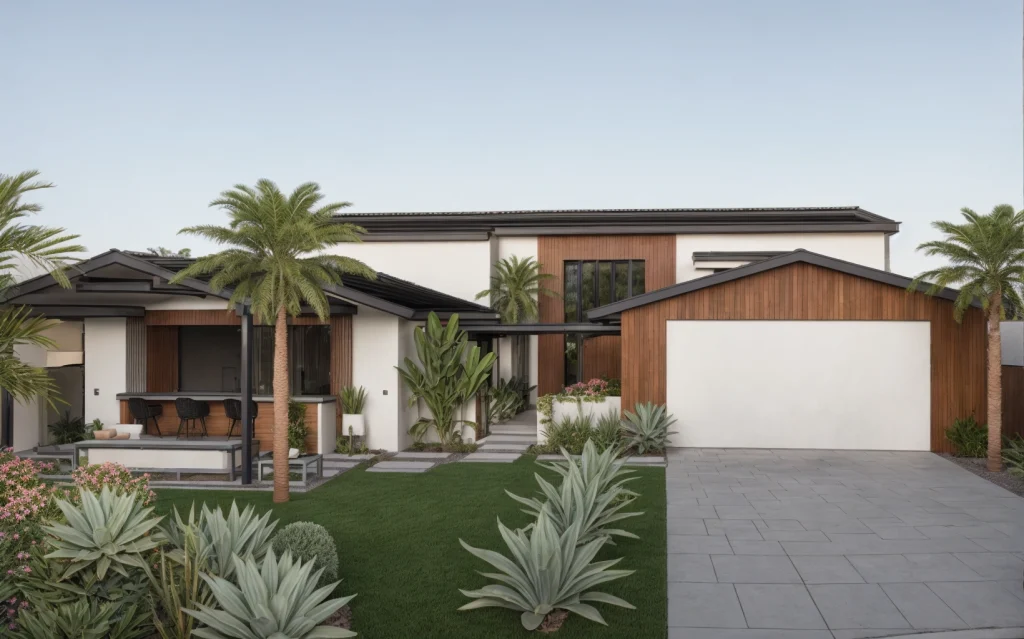

A clean, well-curated portfolio helps establish credibility, especially when competing against other skilled designers in the freelancing market.
Resource Tip: Tools like Behance, Dribbble, and your personal website can be great platforms to showcase your portfolio professionally.
3. Master Your Networking & Client Acquisition
Clients won’t always come to you—you have to put yourself out there. Successful freelance landscape designers often have a well-rounded strategy to reach clients and grow their business.
Here are key strategies for networking and client outreach:
a) Join Landscape Design Events & Exhibitions
Participate in industry events like SME and MSME exhibitions, workshops, and local design expos. These events are great for connecting with industry peers and potential clients.
b) Leverage Social Media Platforms
Platforms like Instagram, Pinterest, and LinkedIn are visual spaces perfect for showcasing your design projects. Post consistently and share insights about your design philosophy.
c) Collaborate with Related Professionals
Team up with architects, real estate agents, and contractors. These partnerships can lead to referrals and joint projects.
d) Ask for Client Referrals
When you deliver great service, don’t hesitate to ask satisfied clients for referrals. Word-of-mouth remains one of the most effective ways to gain steady work.
4. Learn the Business Side of Freelancing
Designing is only half the journey. Running a successful freelance landscape design career requires solid business management. You’ll need to understand contracts, project budgets, time management, and client communications.
Here are key business tips to manage your freelance landscape design journey:
a) Understand Your Costs & Set Clear Pricing
Calculate your hourly rates or project fees by factoring in:
- Your design expertise
- Software licenses and tools
- Marketing costs
- Time spent on each project
b) Create Clear Contracts
Always use contracts to protect both you and your clients. Contracts should outline project scope, payment schedules, timelines, expectations, and revisions.
c) Build a System for Time Management
Balancing multiple projects can be challenging. Use tools like Trello, Asana, or ClickUp to stay organized.
5. Embrace Continuous Learning & Skill Development
The design industry is always evolving. Stay ahead by keeping up with the latest trends, technologies, and tools.
Useful Skill Areas to Master:
- New design technologies: Familiarize yourself with software like Lumion, Blender, or Revit.
- Green building & sustainability concepts: Eco-conscious design principles are increasingly in demand.
- Client communication & negotiation skills: Mastering interpersonal skills will help you build trust with clients.
Regularly attend webinars, workshops, and industry courses to sharpen your skills.
Final Thoughts
Excelling in freelance landscape design isn’t just about skill – it’s a mix of creativity, business savvy, networking, portfolio building, and adaptability. With these strategies, you’ll be well on your way to creating a thriving and fulfilling career in freelance landscape design.
Take the time to implement these steps consistently. Your journey toward freelancing success begins with action – and every small step brings you closer to your goals.
Are you ready to elevate your design career? Share your thoughts in the comments below.
Let’s grow together!