
Are you ready to transform your outdoor space but feel overwhelmed by the complexities of landscape construction? You’re not alone. Many aspiring DIY landscapers or homeowners new to landscaping struggle to understand where to start. What’s the difference between hardscape and softscape? What tools do you need? And how do you ensure your designs are functional and sustainable?
In this beginner’s guide, we’ll break down the fundamentals of landscape construction—from planning and essential tools to understanding materials and techniques. By the end, you’ll feel confident enough to embark on your first landscaping project or have a meaningful discussion with a professional landscaper.
Related: 10 Steps to Create a Low-Maintenance Eco-Friendly Garden
The Basics of Landscape Construction: A Beginner’s Guide
Learn the landscape construction basics with this beginner’s guide. Master the basics, tools, and techniques to transform your outdoor space today!
Beginner’s Guide to Landscaping
1. Understanding the Core Components of Landscape Construction
Before diving into construction, it’s essential to understand the two main elements of landscaping:
- Hardscape: The structural, non-living elements such as patios, retaining walls, pathways, and decks.
- Softscape: The living components, including plants, grass, trees, and flowers.
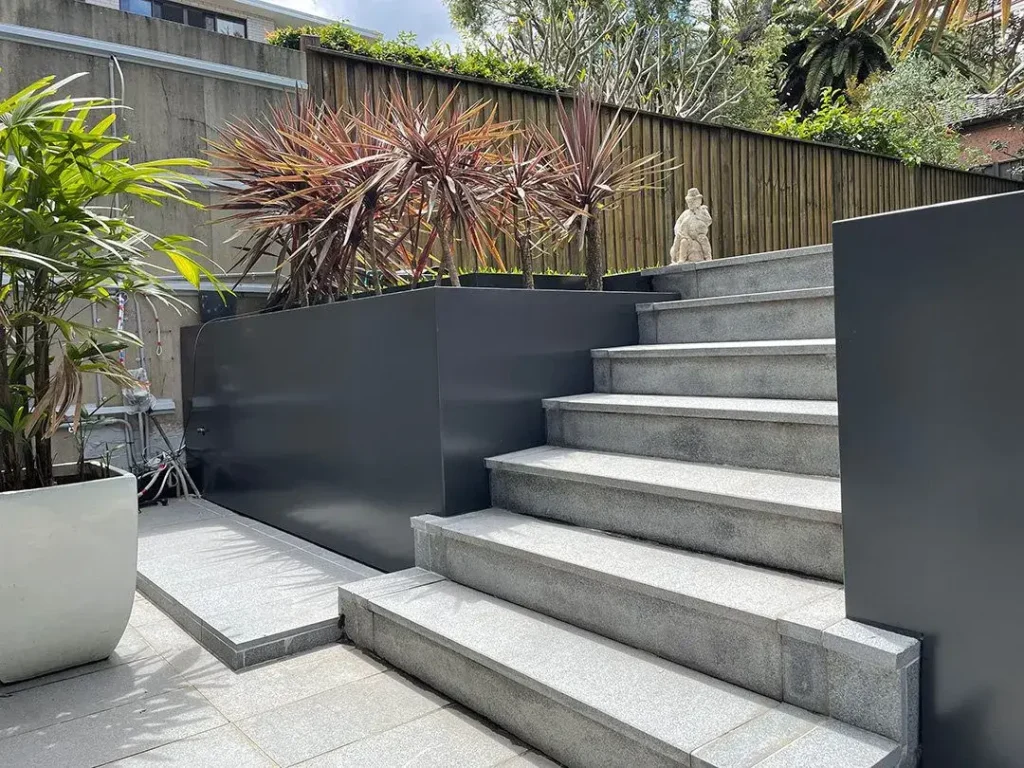
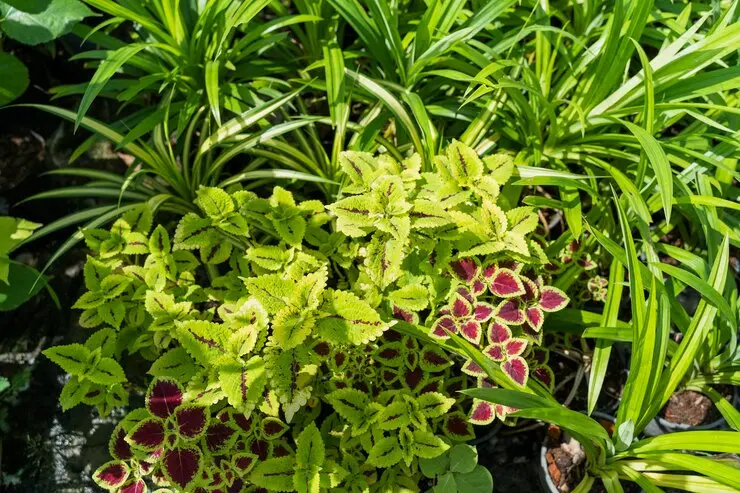
Both hardscape and softscape need to work in harmony to create a balanced and aesthetically pleasing outdoor space. As a beginner, start by observing your space and deciding how much focus you want on each element. For example, do you envision a lush garden (more softscape) or a sleek patio for entertaining (more hardscape)?
2. Landscaping Tools for Beginners
You don’t need an arsenal of tools to get started, but a few basics are indispensable:
- Shovel and Trowel: For digging and planting.
- Wheelbarrow: To transport soil, rocks, or plants efficiently.
- Level and Measuring Tape: Essential for ensuring flat surfaces in hardscape projects.
- Pruning Shears: For maintaining plants and hedges.
- Rubber Mallet: Handy for placing pavers or stones without cracking them.
Pro Tip: Invest in quality tools that will last. Look for ergonomic designs to reduce strain during use.
3. The Planning Phase: Setting Yourself Up for Success
Every great landscaping project starts with a solid plan. Here’s a step-by-step approach to planning:
- Assess Your Space: Measure your yard and identify existing features like trees, slopes, or water lines.
- Create a Design: Use simple graph paper or digital tools like SketchUp to sketch your vision. Include hardscape and softscape elements.
- Budget Wisely: Research costs for materials, tools, and plants. Don’t forget to include a buffer for unexpected expenses.
- Start Small: For your first project, focus on one area, such as a flower bed or patio, before tackling larger spaces.
4. Essential Materials in Landscape Construction
As you embark on your project, you’ll encounter various materials. Here’s a breakdown of the most common ones:
- Soil and Mulch: Foundational elements for planting beds.
- Gravel and Sand: Used in drainage systems and as a base layer for pavers.
- Pavers and Stones: Ideal for patios, pathways, and edging.
- Timber: Often used for raised beds, decking, or fences.
- Plants: Choose native species for better adaptability and lower maintenance.
5. Hardscape Installation Tips
Hardscaping can seem intimidating, but these beginner tips will help:
- Start with a Stable Base: Whether laying pavers or building a retaining wall, a compacted base is crucial to avoid shifting or sinking.
- Measure Twice, Cut Once: Precision is vital for materials like wood and stone.
- Slope for Drainage: Ensure patios and pathways slope slightly away from your house to prevent water pooling.
6. Softscape Success: Planting for Longevity
Planting isn’t just about aesthetics; it’s about creating a thriving ecosystem. Here’s how to do it right:
- Prepare the Soil: Test and amend your soil with compost if needed.
- Group by Water Needs: Place plants with similar watering requirements together.
- Use Mulch: Mulch helps retain moisture, reduce weeds, and improve soil health.
- Plan for Growth: Remember that plants will grow—leave enough space to avoid overcrowding.
7. Common Beginner Mistakes and How to Avoid Them
- Skipping the Planning Phase: Without a plan, projects often exceed budgets and timelines.
- Ignoring Drainage: Poor drainage can ruin your hardscape and drown your plants.
- Overloading on Features: Simplicity is key. Avoid cramming too many elements into one space.
8. Maintenance: The Key to Long-Term Success
Building your dream landscape is only part of the journey. Proper maintenance ensures your efforts last for years. Here are a few tips for keeping your landscape thriving:
Regular Lawn Care
- Watering: Ensure your lawn gets the right amount of water depending on the season. Overwatering and underwatering can harm the grass.
- Mowing: Regular mowing (but not cutting too much at once) keeps your lawn looking well-groomed.
- Aeration: Aerate your lawn annually to prevent compaction and allow roots to breathe.
Weed Management
Weeds compete with your grass and plants for nutrients. Use mulch, weed barriers, and timely manual removal to keep them at bay.
Inspect for Pests & Diseases
Landscape construction leads to ecosystems that attract wildlife, which can sometimes include pests. Learn how to identify early warning signs and treat infestations quickly.
Prune Your Plants Regularly
Pruning isn’t just about appearance—it helps prevent disease and promotes healthy growth.
9. When to Call in a Professional
While DIY is rewarding, some projects may benefit from expert intervention. Here’s when you should consider hiring a professional landscaper:
- You Lack the Necessary Tools or Expertise: A professional can avoid costly mistakes by implementing their expertise and experience.
- Large-Scale Hardscapes: Retaining walls, patios, and intricate designs may require specialized equipment and skill.
- Drainage Issues: Properly addressing drainage involves expertise in engineering and understanding local conditions.
- Time Constraints: If time isn’t on your side, professionals can complete projects quickly and efficiently.
Hiring a professional isn’t a failure—it’s a smart decision when it leads to professional-quality results.
10. Sustainable Landscape Construction: Building with the Environment in Mind
Sustainability is no longer optional—it’s necessary. Here are ways to integrate eco-friendly practices into your landscape design:
Choose Native Plants
Native plants are low-maintenance, require less water, and support local wildlife. They adapt well to their environment, reducing the need for constant upkeep.
Incorporate Rainwater Collection Systems
Utilize rainwater to irrigate your garden and reduce reliance on municipal water supplies.
Use Permeable Paving
Permeable paving allows rainwater to seep through the surface, reducing runoff and preventing flooding.
Opt for Eco-Friendly Materials
When possible, use recycled or reclaimed materials, such as reclaimed wood or recycled concrete, for hardscape projects.
Final Thoughts
Landscape construction is as much about creativity as it is about planning, patience, and learning. Whether you’re a beginner tackling your first backyard transformation or someone curious about hiring professionals, the key is to stay informed and intentional about every decision you make.
Remember, even small projects can lead to stunning results when approached with knowledge and passion. Start by taking the first step—assess your space, identify your goals, and learn the basics of landscape construction. Every great transformation starts with a single choice to begin.
So, what’s your next step in building your dream outdoor space? Share your thoughts, questions, or dreams in the comments. Let’s build a community of dreamers and doers who make beautiful landscapes a reality.