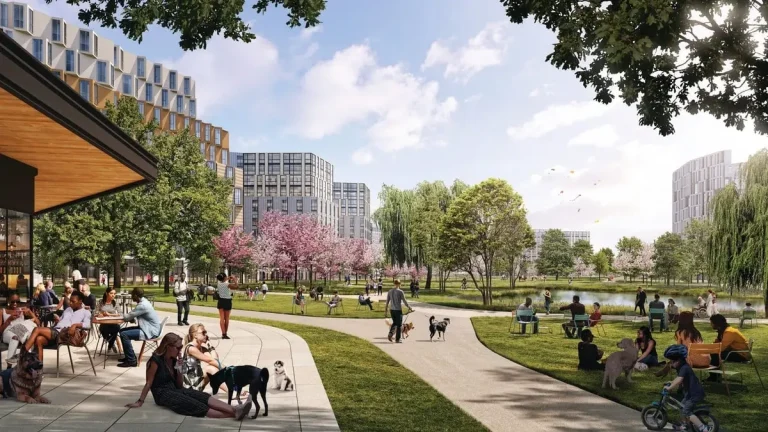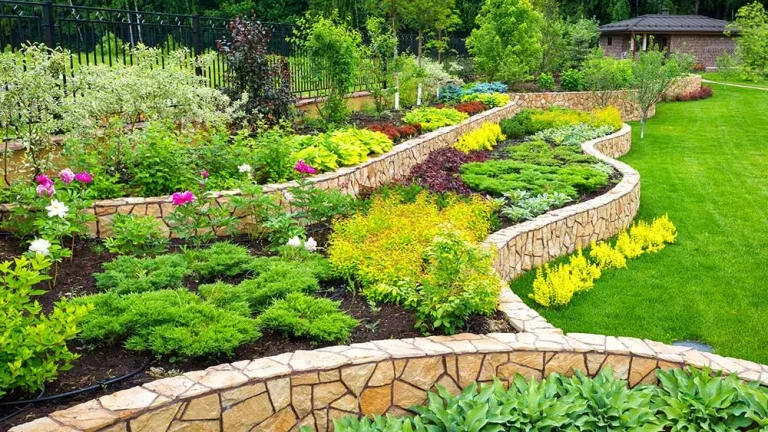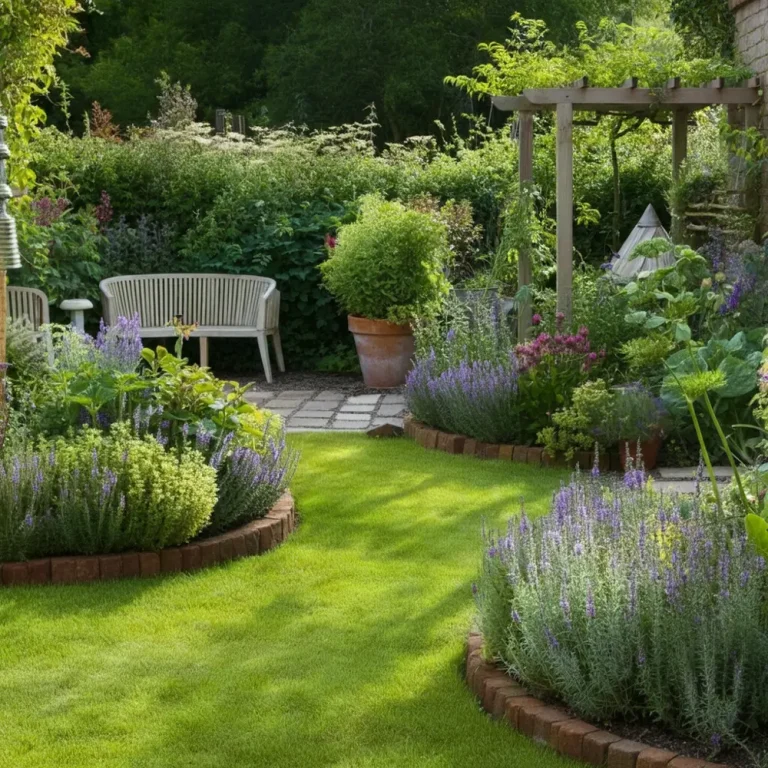

Landscaping is an essential part of creating an outdoor space that is both aesthetically pleasing and functional. Whether you’re designing a small patio or a large garden, understanding the principles of landscape design can help you create a cohesive and visually appealing design. These principles are a set of guidelines that designers use to create outdoor spaces that are both beautiful and functional.
What are the 7 Principles of Landscape Design?
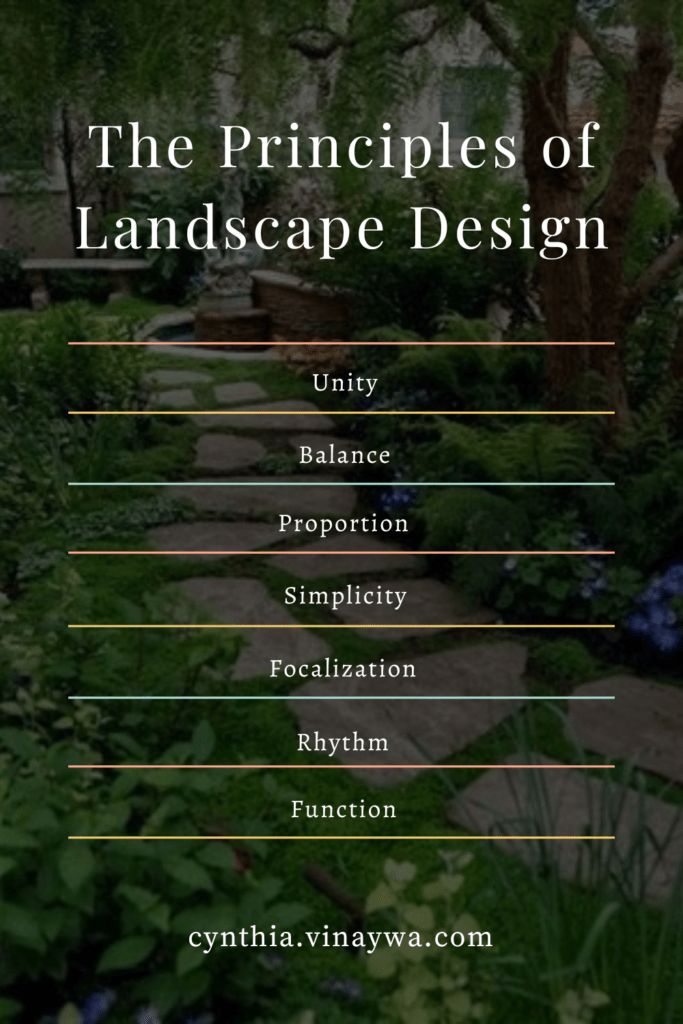
The seven principles of landscape design are a set of guidelines that can help create visually appealing and functional outdoor spaces.
Basic Principles of Landscape Design
In this blog post, we will explore the ten principles of landscape design and how you can apply them to your outdoor space to create a design that you’ll love for years to come.
Whether you’re a seasoned gardener or a beginner, this post will give you a solid understanding of the key principles of garden design that you can use to create a beautiful and functional outdoor space.
1. Unity/Harmony
Unity is one of the key principles of landscape design, and it refers to the use of similar elements throughout the landscape to create a cohesive and consistent design. The goal of unity is to create a sense of harmony and balance in the outdoor space by using common materials, colors, and patterns.
To achieve unity, designers often select a theme or style for the landscape and stick to it throughout the design process. For example, a Mediterranean-style landscape might use warm colors, such as terracotta and gold, and feature plants such as olive trees, lavender, and rosemary. By using these elements consistently throughout the landscape, the design achieves unity.
Unity can also be achieved through repetition, such as using the same type of plant or hardscape material throughout the space. This repetition creates a sense of rhythm and continuity in the design. The goal of unity is to create a landscape that feels like a cohesive whole, rather than a collection of disparate elements.

2. Balance
Balance is an important principle of landscape design that refers to the visual equilibrium of space. The goal of balance is to create a sense of stability and harmony in the outdoor space, achieved through the careful arrangement of elements.
There are two types of balance: symmetrical and asymmetrical. Symmetrical balance is achieved when elements in the landscape are mirrored or repeated on either side of a central axis, creating a sense of symmetry and order.
Asymmetrical balance, on the other hand, involves the use of different elements of equal visual weight to create a sense of balance, even though they may not be identical.


In landscape design, balance can be achieved through a variety of techniques. For example, a garden might use plantings of different heights and sizes to create a sense of balance and visual interest. Hardscape elements, such as paths or walls, can also be used to create balance and symmetry in the landscape.
3. Proportion/Scale
Proportion refers to the relative size of landscape elements in relation to one another. The goal of proportion and scale is to create a visually balanced and harmonious design that is appropriate for the size of the outdoor space.
For example, a large tree may be visually overwhelming if it is planted too close to a small patio, whereas a smaller tree may be more proportionate to the space. Similarly, a large garden sculpture may be too large for a small garden, whereas a smaller sculpture may be more appropriate.
Scale, on the other hand, refers to the relationship between the size of landscape elements and the size of the overall space. A large, sprawling garden may require larger elements, such as large trees or sculptures, whereas a small courtyard may require smaller, more delicate elements.
In landscape design, proportion and scale can be used to create a sense of balance and harmony in the outdoor space. By selecting elements that are appropriate in size and scale for the space, designers can create a visually appealing and functional landscape that is appropriate for the size and style of the space.
4. Simplicity
Simplicity is one of the principles of landscape design that emphasizes the use of minimalism and simplicity to create a visually appealing and functional outdoor space. The goal of simplicity is to create a landscape that is easy to understand and navigate, while still being beautiful and interesting.
To achieve simplicity, designers often use a minimalist approach to the design, focusing on a few key elements rather than a multitude of smaller ones. This approach can create a sense of spaciousness and calm in the outdoor space, making it more inviting and relaxing.
In addition, simplicity can be achieved through the use of clean lines, simple shapes, and a limited color palette. This helps to create a sense of unity and harmony in the outdoor space, while still allowing for visual interest and variety.
Simplicity can also be achieved through the use of negative space or the empty spaces between landscape elements. By using negative space effectively, designers can create a sense of balance and harmony in the design, while still leaving room for visual interest and variety.
5. Focalization/Hierarchy
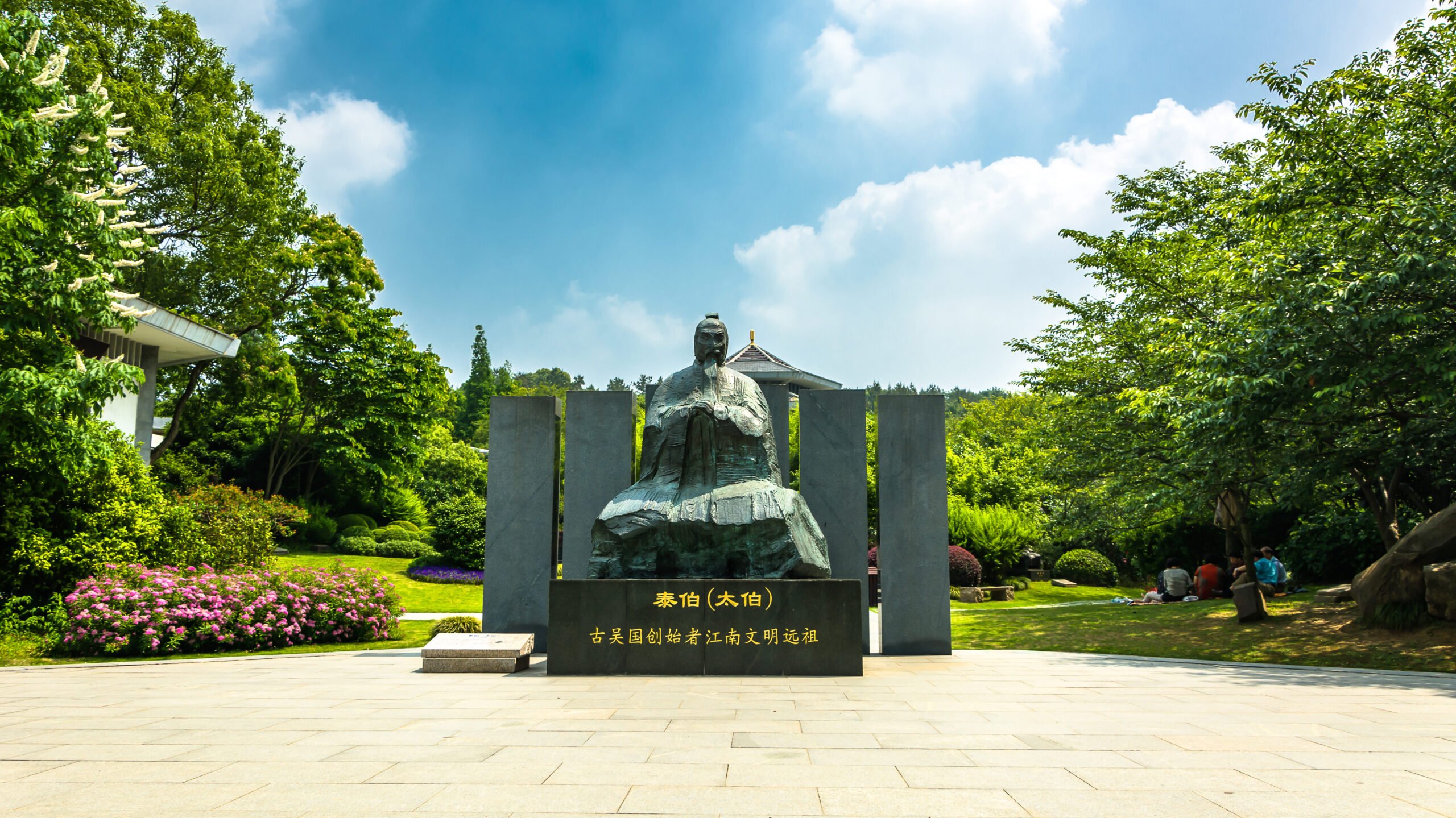
Focalization is a principles of landscape design that refers to the creation of a central point of focus in the outdoor space. The goal of focalization is to draw the viewer’s eye to a specific element or area of the landscape, creating a sense of visual interest and importance.
In landscape design, hierarchy can be achieved through a variety of techniques. For example, focal points such as sculptures or water features can be used to draw the eye and create a sense of visual interest. Pathways and borders can also be used to create a sense of hierarchy, leading the viewer’s eye through the landscape and emphasizing certain elements along the way.
Focalization can also be achieved through the use of color, texture, and lighting. Brightly colored or textured elements can be used to draw the viewer’s eye and create a sense of visual interest and importance. Lighting can also be used to highlight specific elements and create a sense of drama and importance.
6. Rhythm/Repetition
Rhythm is a principle of landscape design that refers to the repetition of visual elements in a way that creates a sense of movement and flow in the outdoor space. The goal of rhythm is to create a sense of harmony and unity in the landscape, while also adding visual interest and variety.
In landscape design, rhythm can be achieved through the repetition of elements such as plants, hardscaping features, or colors. For example, a row of evenly spaced trees or shrubs can create a sense of rhythm and movement, while a pattern of pavers or tiles can create a sense of repetition and continuity.
Rhythm can also be achieved through the use of contrast and variation. For example, alternating colors or textures in a hardscaping pattern can create a sense of rhythm and movement, while also adding visual interest and variety.
7. Function
Function is a principle of landscape design that refers to the practical and functional aspects of the outdoor space. The goal of function is to create a landscape that not only looks beautiful but also meets the needs and desires of those who will use it.
In landscape design, function can be achieved through the careful selection and placement of landscape elements, such as seating areas, play areas, and outdoor kitchens. For example, a seating area can be placed in a location that offers shade and privacy, while an outdoor kitchen can be designed to include all of the necessary appliances and storage space.
Function can also be achieved through the use of materials and plants that are well-suited to the climate and conditions of the area. For example, drought-tolerant plants can be used in areas with limited water resources, while materials that are durable and resistant to weathering can be used in areas with harsh weather conditions.
Conclusion
In conclusion, the principles of landscape design provide a framework for creating beautiful and functional outdoor spaces. Whether you’re designing a small courtyard or a large park, understanding and applying these principles can help you create a landscape that is visually interesting, harmonious, and practical.
From unity and balance to proportion and scale, each principle plays an important role in the overall design of the landscape. By using these principles in combination with one another, designers can create a landscape that is not only visually appealing but also meets the needs and desires of those who will use it. So take the time to learn about these principles, and start creating the outdoor space of your dreams today!