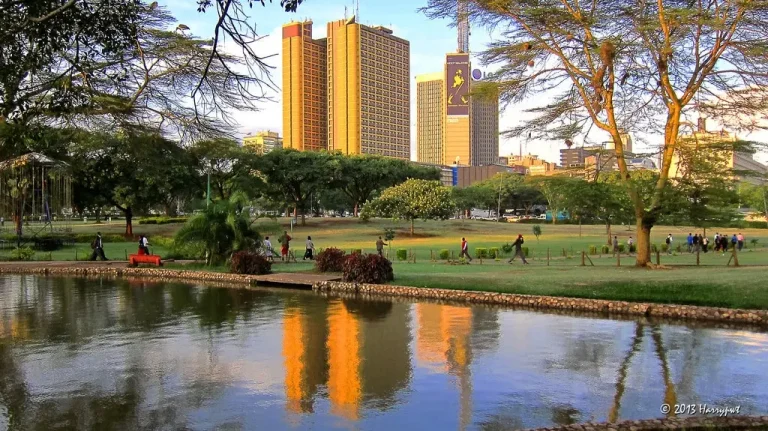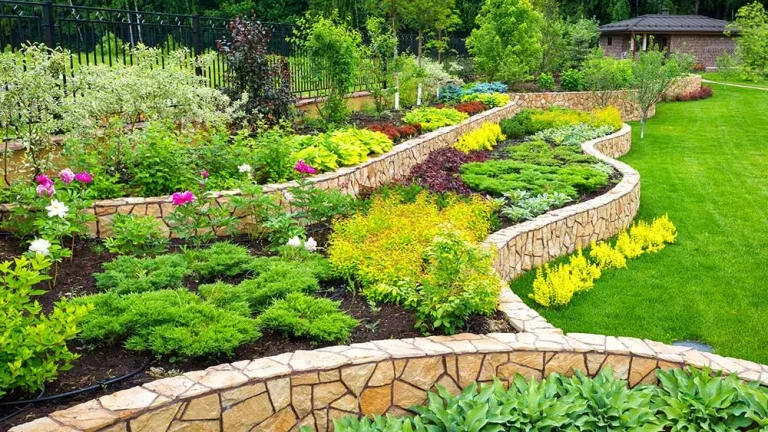
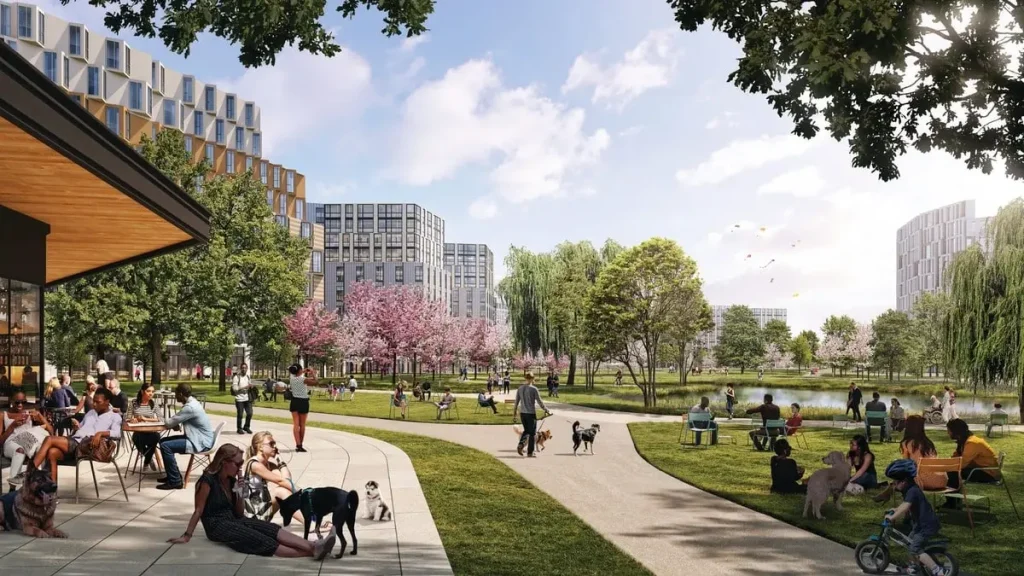
Have you ever walked through a bustling city and suddenly found yourself in a peaceful green oasis? Or marveled at how a once-neglected area has been transformed into a vibrant community space? These urban miracles aren’t accidents – they’re the result of urban landscape architecture, a powerful force shaping our cities.
Imagine cities that not only accommodate millions of people but also nurture the environment and improve our quality of life. It’s not a utopian dream; it’s the reality that landscape architects are creating every day. Let’s explore how this fascinating field is revolutionizing urban planning and development.
The Role of Landscape Architecture in Urban Planning and Development
Urban landscape architecture goes far beyond planting trees and designing parks. It’s about:
- Creating sustainable, livable cities
- Enhancing biodiversity in urban areas
- Improving public health and well-being
- Mitigating climate change impacts
- Fostering community engagement
Key Aspects of Urban Landscape Architecture
Discover how urban landscape architecture is transforming cities! Learn 9 innovative strategies for greener, more livable urban spaces! Let’s dive in.
Table of Contents
1. Green Infrastructure: Nature’s Solution to Urban Challenges
Green infrastructure design is at the forefront of sustainable city planning. It involves using natural systems to manage stormwater, improve air quality, and reduce the urban heat island effect. Examples include:
- Bioswales: Vegetated channels that filter and slow stormwater runoff
- Green roofs: Living plant layers on building rooftops
- Permeable pavements: Surfaces that allow water to seep through
These elements not only look beautiful but also provide crucial ecosystem services.
2. Urban Parks: Multifunctional Green Spaces
Modern urban parks are no longer just recreational areas. They’re multifunctional spaces that:
- Act as natural cooling centers
- Provide habitat for urban wildlife
- Offer opportunities for community engagement
- Improve air quality
- Boost property values
Landscape architects design these spaces to maximize benefits while minimizing maintenance needs.
3. Pedestrian-Friendly Streetscapes: Reclaiming the City for People
By redesigning streets to prioritize pedestrians and cyclists, landscape architects are making cities more livable.
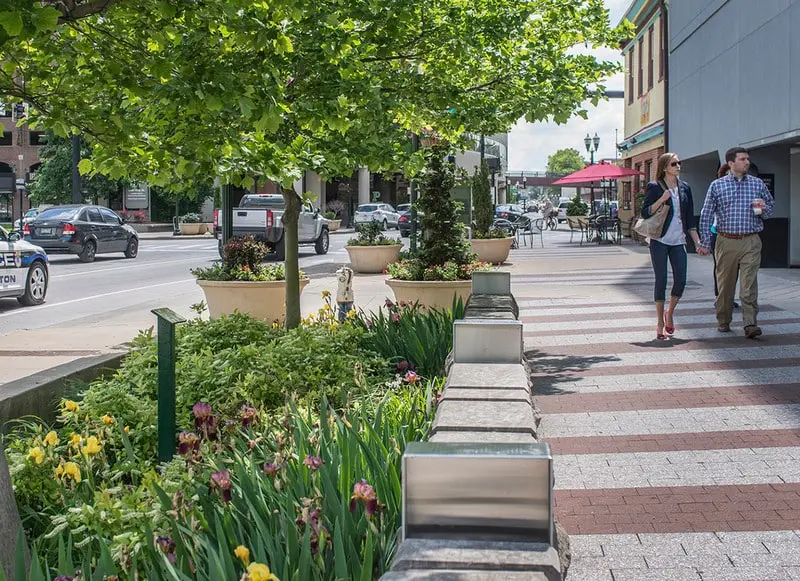
Key elements include:
- Wide, tree-lined sidewalks
- Protected bike lanes
- Traffic calming measures
- Street furniture and public art
These changes not only improve safety but also encourage active transportation and social interaction.
4. Waterfront Revitalization: Reconnecting Cities with Their Rivers
Many cities are rediscovering their waterfronts, transforming them from industrial zones to vibrant public spaces. Landscape architects play a crucial role in:
- Creating waterfront parks and promenades
- Restoring natural habitats
- Implementing flood mitigation strategies
- Designing mixed-use developments that respect the waterfront
These projects often become catalysts for broader urban regeneration.
5. Urban Agriculture: Growing Food in the City
Landscape architects are incorporating food production into urban design through:
- Community gardens
- Rooftop farms
- Edible landscaping in public spaces
- Vertical gardens on building facades
These initiatives improve food security, educate the public about agriculture, and create green jobs.
6. Adaptive Reuse of Industrial Sites: From Brown to Green
Transforming former industrial sites into public spaces is a hallmark of urban landscape architecture. Projects like New York’s High Line demonstrate how to:
- Preserve industrial heritage
- Create unique recreational spaces
- Boost local economies through increased tourism
- Improve ecological function in urban areas
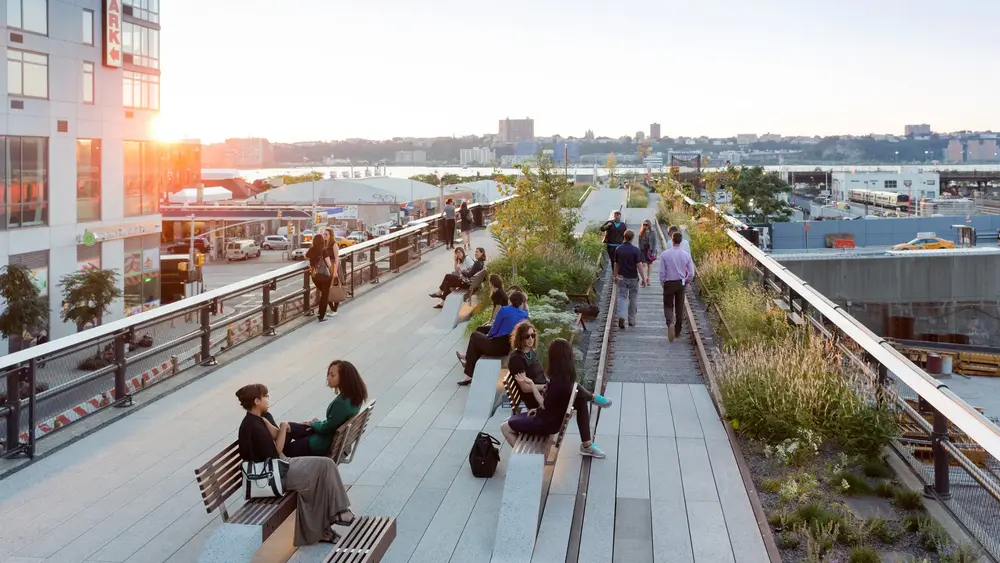
These projects often become iconic landmarks and sources of civic pride.
7. Climate-Resilient Design: Preparing Cities for the Future
As climate change impacts become more severe, landscape architects are at the forefront of creating resilient urban environments. Strategies include:
- Designing flood-resistant parks
- Creating urban forests to reduce heat and improve air quality
- Implementing drought-tolerant landscaping
- Developing coastal protection systems that double as public spaces
These approaches help cities adapt to changing conditions while improving quality of life.
8. Biophilic Design: Bringing Nature into the Built Environment
Biophilic design incorporates natural elements into buildings and urban spaces. Landscape architects use this approach to:
- Reduce stress and improve mental health
- Increase productivity in workplaces
- Enhance the aesthetic appeal of urban areas
- Improve indoor air quality
From living walls to nature-inspired architecture, biophilic design is changing the face of our cities.
9. Smart City Integration: Merging Technology and Nature
Landscape architects are increasingly incorporating smart technology into urban design. This includes:
- Sensor-equipped plants to monitor air quality
- Smart irrigation systems for water conservation
- Interactive public art installations
- Data-driven design for optimizing public space usage
These innovations help cities operate more efficiently while enhancing the user experience.
Challenges and Opportunities in Urban Landscape Architecture
While the potential of urban landscape architecture is immense, practitioners face several challenges:
- Balancing development pressures with environmental concerns
- Securing funding for large-scale green infrastructure projects
- Maintaining green spaces in the face of budget constraints
- Ensuring equitable access to high-quality public spaces
- Adapting designs to the unique contexts of different cities
However, these challenges also present opportunities for innovation and creativity in the field.
Related: Urban Landscape Design: Challenges and Solutions
FAQs
Q: How does urban landscape architecture contribute to sustainability?
A: It promotes green infrastructure, reduces energy consumption, improves air and water quality, and enhances biodiversity in urban areas.
Q: Can landscape architecture help address social issues in cities?
A: Yes, by creating inclusive public spaces, promoting community engagement, and addressing environmental justice concerns.
Q: How do landscape architects work with other urban planning professionals?
A: They collaborate closely with architects, urban planners, engineers, and policymakers to create integrated urban design solutions.
Q: What skills are needed to become an urban landscape architect?
A: A combination of design creativity, ecological knowledge, technical skills in areas like hydrology and soil science, and strong communication abilities.
Conclusion
In conclusion, urban landscape architecture plays a crucial role in shaping the cities of tomorrow. By blending nature with urban design, landscape architects are creating more sustainable, resilient, and livable urban environments. From green infrastructure to smart city integration, the field is constantly evolving to meet the challenges of urbanization and climate change.
As our cities continue to grow, the importance of thoughtful, innovative landscape architecture will only increase. The future of our urban areas depends on our ability to harmonize the built environment with natural systems – and landscape architects are leading the way.
Have you noticed any innovative landscape architecture projects in your city? Share your observations or questions in the comments below. Let’s discuss how we can make our urban spaces greener and more livable!