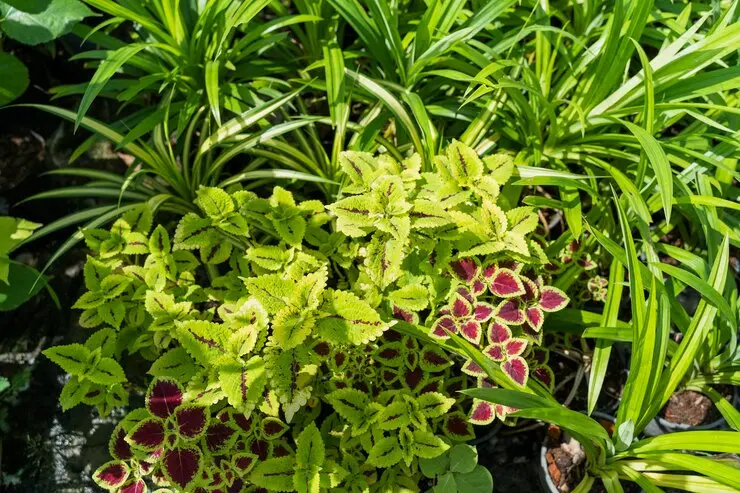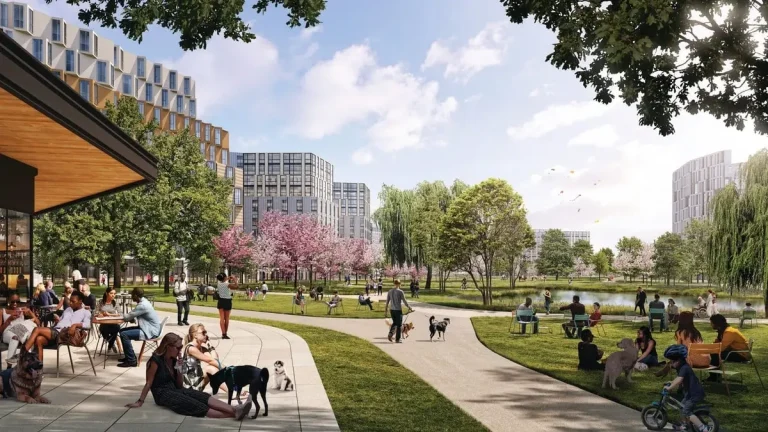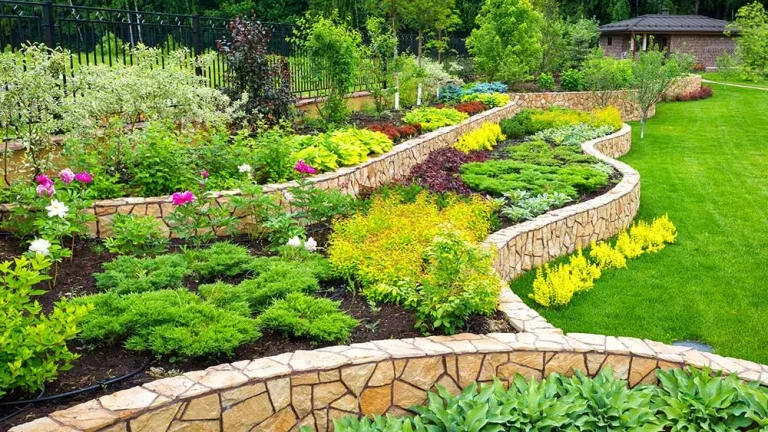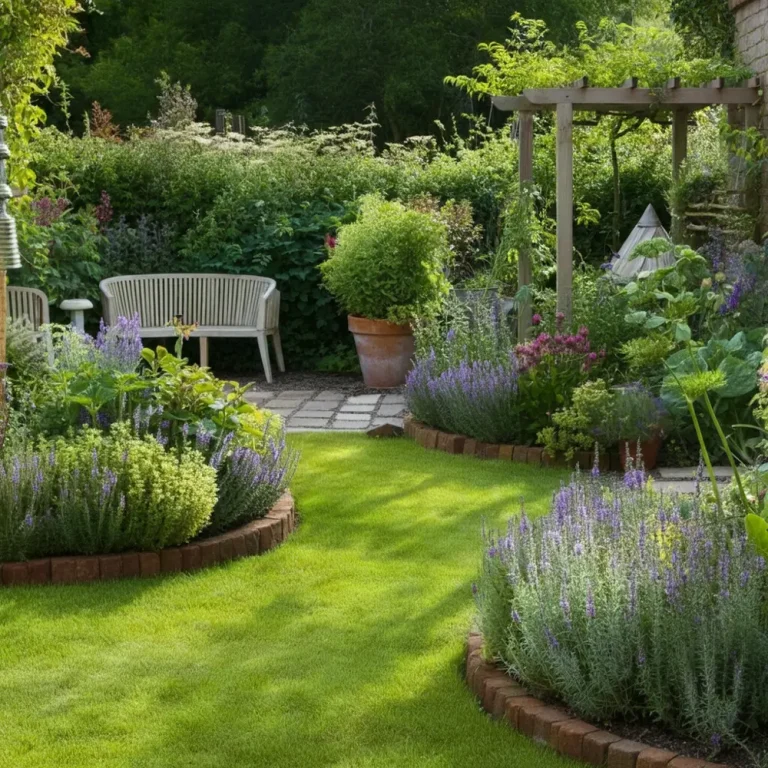
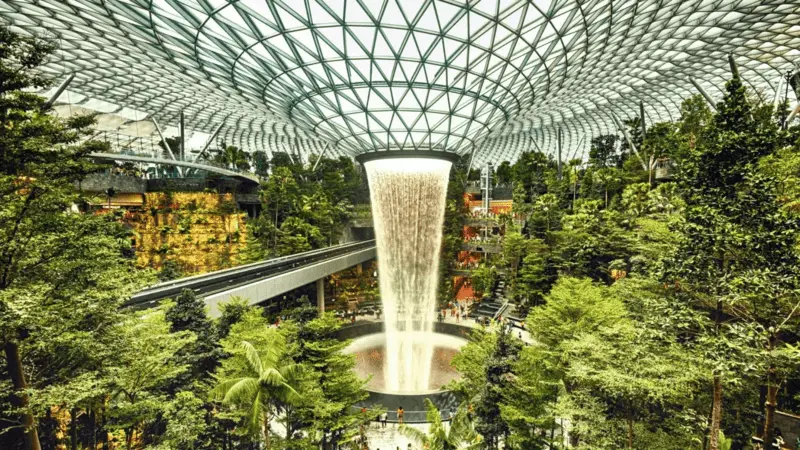
Have you ever noticed how a walk in the park or a day at the beach can instantly lift your spirits? There’s something magical about connecting with nature that soothes our souls and rejuvenates our minds. But what if you could bring that same feeling into your home or office? Biophilic design – a revolutionary approach to architecture and interior design that’s changing the way we think about our living and working spaces.
As a landscape architect who’s spent years studying the intersection of nature and human-made environments, I’ve witnessed firsthand the transformative power of biophilic design. But what exactly is it, and why is it gaining so much traction in today’s fast-paced, technology-driven world?
In this comprehensive guide, we’ll explore the fascinating world of biophilic design, uncovering its principles, benefits, and practical applications. Whether you’re a homeowner looking to create a more nurturing living space or a business leader aiming to boost employee wellbeing and productivity, this post will equip you with the knowledge and inspiration to bring the outdoors in and transform your environment.
Table of Contents
What is Biophilic Design
At its core, biophilic design is about fostering a connection between humans and nature within built environments. But it goes far beyond simply adding a few potted plants to your space.
The Origins and Philosophy of Biophilic Design
The term “biophilia” was coined by psychoanalyst Erich Fromm in the 1970s and later popularized by biologist Edward O. Wilson. It refers to humans’ innate affinity for nature and living things. Biophilic design takes this concept and applies it to architecture and interior design, creating spaces that satisfy our deep-seated need for natural connections.
Key Elements of Biophilic Design
- Direct nature experiences (e.g., indoor plants, water features)
- Indirect nature experiences (e.g., natural materials, nature-inspired patterns)
- Space and place conditions (e.g., natural light, views of nature)
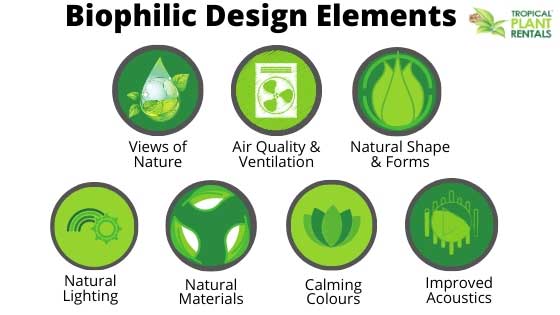
By thoughtfully integrating these elements, designers can create environments that mimic the beneficial aspects of being in nature.
Benefits of Biophilia
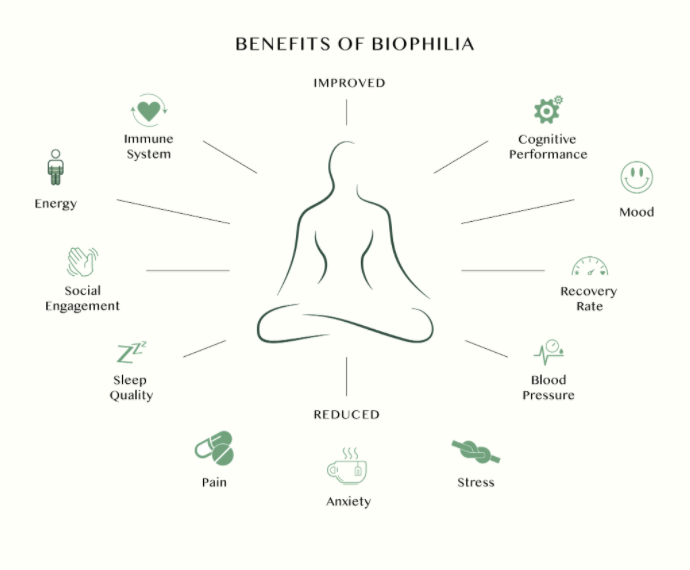
The benefits of biophilic design aren’t just anecdotal – they’re backed by a growing body of scientific research.
1. Improved Mental Health and Wellbeing
Studies have shown that exposure to natural elements can reduce stress, anxiety, and depression. A 2019 study published in the International Journal of Environmental Research and Public Health found that office workers with views of nature reported higher job satisfaction and lower stress levels compared to those without nature views.
2. Enhanced Cognitive Function and Productivity
Biophilic design can also boost our brain power. Research conducted by the University of Oregon found that employees in offices with biophilic elements showed 15% higher levels of creativity compared to those in conventional offices.
3. Better Physical Health
Incorporating nature into our indoor environments can have tangible physical health benefits. A study in the Journal of Physiological Anthropology found that interacting with indoor plants can reduce physiological and psychological stress.
Practical Applications: Bringing Biophilic Design into Your Space
Now that we understand the importance of biophilic design, let’s explore how you can incorporate these principles into your home or workplace.
1. Embrace Indoor Plants
One of the simplest ways to introduce biophilic design is through indoor plants. Consider:
- Large statement plants like fiddle leaf figs or bird of paradise
- Hanging plants to maximize vertical space
- Easy-care options like snake plants or pothos for beginners
2. Maximize Natural Light
Natural light is a cornerstone of biophilic design. To increase light in your space:
- Use sheer curtains instead of heavy drapes
- Position mirrors to reflect light
- Consider skylights or solar tubes for darker areas
3. Incorporate Natural Materials
Bring in natural textures and materials such as:
- Wood flooring or furniture
- Stone countertops or accent walls
- Natural fiber textiles like cotton, wool, or jute
4. Create Nature-Inspired Color Schemes
Use colors found in nature to create a calming atmosphere:
- Earthy browns and greens
- Sky blues and cloud whites
- Sunset oranges and purples
5. Install Water Features
The sound of flowing water can be incredibly soothing. Consider:
- Tabletop fountains
- Wall-mounted water features
- Indoor ponds or aquariums
6. Use Organic Shapes and Patterns
Move away from harsh lines and incorporate more natural forms:
- Curved furniture
- Nature-inspired artwork
- Textiles with organic patterns
7. Provide Views of Nature
If possible, orient your space to maximize views of outdoor greenery. If natural views aren’t available, consider:
- Large-scale nature photography
- Digital displays of nature scenes
- Green walls or vertical gardens
Biophilic Design in Different Settings
While the principles of biophilic design can be applied universally, their implementation may vary depending on the setting.
Biophilic Design in Homes
In residential spaces, focus on creating a sanctuary that promotes relaxation and wellbeing:
- Create cozy nooks with plants and natural textures
- Use natural materials in kitchens and bathrooms
- Design outdoor living spaces that blur the line between indoors and out
Biophilic Design in Offices
In workplaces, prioritize elements that boost productivity and creativity:
- Incorporate plants that improve air quality
- Create breakout areas with nature-inspired elements
- Use natural light to regulate circadian rhythms and improve focus
Biophilic Design in Healthcare Facilities
In healthcare settings, focus on elements that promote healing and reduce stress:
- Install healing gardens or green spaces
- Use nature sounds to mask noise and create a calming atmosphere
- Incorporate natural materials that are easy to clean and maintain
Overcoming Challenges in Biophilic Design
While the benefits of biophilic design are clear, implementing it can come with challenges. Here are some common hurdles and how to address them:
1. Limited Space
In small spaces, focus on vertical gardening, use mirrors to create the illusion of more space, and choose multi-functional furniture with natural elements.
2. Budget Constraints
Start small with low-cost options like potted plants or nature-inspired artwork. Gradually incorporate more elements as budget allows.
3. Maintenance Concerns
Choose low-maintenance plants and materials. Consider artificial plants or nature-inspired patterns if live plants aren’t feasible.
4. Lack of Natural Light
Use full-spectrum light bulbs, light therapy lamps, or smart lighting systems that mimic natural light patterns.
The Future of Biophilic Design: Trends to Watch
As we look to the future, several exciting trends are emerging in the field of biophilic design:
- Biomimicry in architecture, imitating nature’s forms and functions
- Integration of smart technology with biophilic elements
- Focus on locally-sourced, sustainable materials
- Increased emphasis on biophilic design in urban planning
By staying abreast of these trends, you can ensure your space remains at the forefront of design innovation while maintaining a strong connection to nature.
Conclusion: Embracing Nature for a Better Tomorrow
In our increasingly urbanized and digitalized world, the importance of maintaining a connection to nature cannot be overstated. Biophilic design offers a powerful way to bridge the gap between our modern lifestyles and our innate need for natural connections.
By incorporating elements of nature into our built environments, we can create spaces that not only look beautiful but also enhance our physical and mental wellbeing, boost our productivity, and contribute to a more sustainable future.
So, are you ready to transform your space with the power of biophilic design? Remember, every small step towards bringing nature inside is a step towards a healthier, happier, and more harmonious life. Start your biophilic journey today and experience the difference for yourself!
Ready to start your biophilic design journey? Sign up for our free newsletter to get practical tips and inspiration to bring nature into your space.