
What is a retention pond?
A retention pond is a man-made basin that is designed to temporarily hold and store stormwater runoff. These ponds are typically located in areas with high impervious surfaces such as urban areas, parking lots, and industrial sites where rainwater cannot penetrate the ground and instead flows directly into storm drains.
What are retention ponds used for?
Retention ponds are designed to slow down the flow of stormwater runoff, allowing sediment and pollutants to settle to the bottom of the pond. The stored water is then slowly released into nearby waterways, helping to prevent flooding downstream and improving water quality by reducing the amount of pollutants entering the water.
Retention ponds can also be designed to provide additional benefits, such as providing habitat for wildlife, enhancing the aesthetic value of the surrounding area, and even serving as recreational areas for activities like fishing and birdwatching.
Retention Pond Design
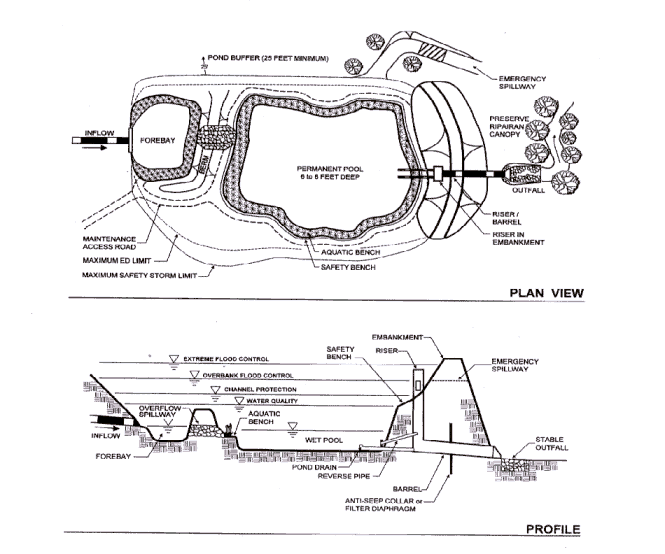
Retention pond plan and section drawing
How Do Retention Ponds Work?
Retention ponds work by temporarily storing and slowly releasing stormwater runoff. When it rains, water flows from impervious surfaces such as roofs, streets, and parking lots into the retention pond. The pond is designed with an inlet structure that controls the inflow of water and prevents erosion. The pond may also have a spillway structure that controls the outflow of water.
As stormwater runoff enters the retention pond, it slows down and begins to settle. Sediments, debris, and pollutants settle to the bottom of the pond, while the water slowly overflows the spillway and enters nearby streams or rivers. The retention pond is designed to hold the water for a longer period of time, before slowly releasing it into the surrounding environment.
Retention ponds may also be designed with vegetation, such as grasses or wetland plants, to help filter pollutants from the water and provide habitat for wildlife. In addition, some retention ponds are designed to have multiple cells, or compartments, which can help to further filter the water and improve its quality before it is released.
Retention Pond Purpose
Some of the common uses of retention ponds include:
- Flood control: Retention ponds are designed to hold excess stormwater runoff during heavy rainfall events and release it gradually, helping to reduce the risk of flooding downstream.
- Water quality improvement: Retention ponds can help to remove pollutants, sediment, and other contaminants from stormwater runoff, improving the quality of water that enters nearby streams and rivers.
- Erosion control: By slowing down the flow of stormwater runoff, retention ponds can help to reduce erosion and prevent soil loss.
- Habitat creation: Retention ponds can be designed to provide habitat for wildlife, including fish, amphibians, and waterfowl, helping to enhance biodiversity in urban and suburban areas.
- Aesthetics and Recreation: Retention ponds can also be designed to enhance the aesthetic value of the surrounding area and provide recreational opportunities for activities like fishing, boating, and birdwatching.
Overall, retention ponds play an important role in managing stormwater runoff in urban and suburban areas, helping protect human communities and the natural environment.
Retention Pond Maintenance
Retention pond maintenance is important to ensure that the pond continues to function properly and provide the intended benefits. Here are some key steps involved in retention pond maintenance:
- Regular inspections: Retention ponds should be inspected regularly to identify any issues such as erosion, sediment accumulation, or vegetation growth that could impact the pond’s performance. Inspections should be conducted at least twice a year and after heavy rainfall events.
- Sediment removal: Over time, sediment and debris can accumulate in the bottom of the pond, reducing its storage capacity and potentially causing water quality issues. Sediment should be removed periodically, typically every 5-10 years, depending on the size of the pond and the level of sedimentation.
- Vegetation management: Vegetation, such as cattails or invasive species, can grow quickly in retention ponds and impact their performance. Regular mowing or cutting of vegetation can help to prevent excessive growth and maintain the pond’s storage capacity.
- Trash removal: Litter and debris can accumulate in retention ponds and impact water quality and aesthetics. Regular trash removal can help to prevent these issues and maintain the pond’s appearance.
- Inlet and outlet structure maintenance: The inlet and outlet structures of the retention pond should be checked regularly to ensure that they are functioning properly and not clogged with debris.
- Water quality testing: Water quality testing can help to identify any issues with the pond’s performance and guide maintenance activities. Testing should be conducted at least annually to monitor key parameters such as dissolved oxygen, pH, and nutrient levels.
How much does it cost to build a retention pond?
According to the EPA, typical costs for wet detention ponds range from $17.50-$35.00 per cubic meter ($0.50-$1.00 per cubic foot) of storage area. Dry detention basins typically cost around $10 per square meter ($0.30 per cubic foot) for smaller basins and $5 per square meter ($0.15 per cubic foot) for larger basins.
The cost of building a retention pond can range from a few thousand dollars to tens of thousands of dollars. It’s best to consult with a qualified engineer or contractor for a more accurate estimate.
The cost of building a retention pond can vary widely depending on a number of factors, including the size of the pond, the site conditions, the construction materials, and the design features. Here are some of the main cost factors to consider:
- Pond size: The larger the retention pond, the more it will typically cost to build. This is because larger ponds require more excavation, more soil and liner materials, and more maintenance.
- Site conditions: The cost of building a retention pond can vary depending on the site conditions. For example, if the site is located on steep terrain, additional grading may be required, which can increase the cost.
- Construction materials: The cost of the liner materials, such as clay, geomembrane, or concrete, can also impact the cost of building a retention pond. Different materials have different costs, durability, and maintenance requirements, so it’s important to choose the right one for the site conditions.
- Design features: Additional design features, such as landscaping, fencing, or aeration systems, can also add to the cost of building a retention pond.
Pros and Cons of Living Next to a Retention Pond
Living next to a retention pond can have both advantages and disadvantages. Here are some of the pros and cons:
Pros: Advantages of a Retention Pond
- Reduced risk of flooding: Retention ponds help to manage stormwater runoff and reduce the risk of flooding in nearby areas, which can be a significant benefit for homeowners living adjacent to the pond.
- Increased property values: Properties located near retention ponds may have increased property values due to the reduced flood risk and improved aesthetics.
- Habitat for wildlife: Retention ponds can provide habitat for a variety of wildlife species, including birds, fish, and amphibians, which can be enjoyable to watch and add to the natural beauty of the area.
- Recreational opportunities: Depending on the design of the retention pond, it may provide recreational opportunities such as fishing.
Cons: Disadvantages of a Retention Pond
- Mosquitoes and other pests: Retention ponds can create stagnant water that may attract mosquitoes and other pests, which can be a nuisance for nearby residents.
- Odors: Retention ponds can produce odors from decaying plant matter or stagnant water, which can be unpleasant for nearby residents.
- Safety concerns: Retention ponds can pose a safety risk, especially for young children who may be attracted to the water. Homeowners should ensure that the pond is properly fenced and/or have appropriate signage to warn of the dangers.
- Maintenance and upkeep: Retention ponds require regular maintenance and upkeep to ensure that they function properly and do not become an eyesore. The responsibility for maintenance and upkeep may fall on the homeowner’s association or local government, which can add to the costs and time commitments.
The decision to live next to a retention pond should take into consideration the potential advantages and disadvantages, as well as the individual preferences and lifestyle of the homeowner. It’s important to research the specific retention pond and its history of maintenance and upkeep before making a decision.
Retention Pond vs Detention Pond

| Retention ponds | Detention ponds |
|---|---|
| 1. Retention ponds are designed to hold and slowly release stormwater runoff over an extended period of time. | 1. Detention ponds are designed to temporarily store stormwater runoff and release it at a controlled rate. |
| 2. Retention ponds are typically designed to mimic natural wetlands and provide habitat for wildlife. | 2. Detention ponds are typically designed to be dry most of the time, with water levels only rising during storm events. |
| 3. Retention ponds are typically larger and have more shallow slopes than detention ponds, which allows vegetation to grow and encourages the removal of pollutants from the water. | 3. Detention ponds are typically smaller and have steeper slopes than retention ponds, which allows them to hold more water in a smaller space. |
| 4. Retention ponds are designed to control peak runoff flow rates to reduce downstream flooding and protect water quality. | 4. Detention ponds are designed to reduce peak runoff flow rates to reduce downstream flooding and erosion. |
Conclusion
In conclusion, with careful planning and design, retention ponds can be an effective and sustainable solution for managing stormwater runoff and protecting our water resources.
However, it’s important to design and maintain retention ponds properly to ensure that they function effectively and provide long-term benefits. Homeowners, developers, and municipalities can all benefit from incorporating retention ponds into their stormwater management plans.