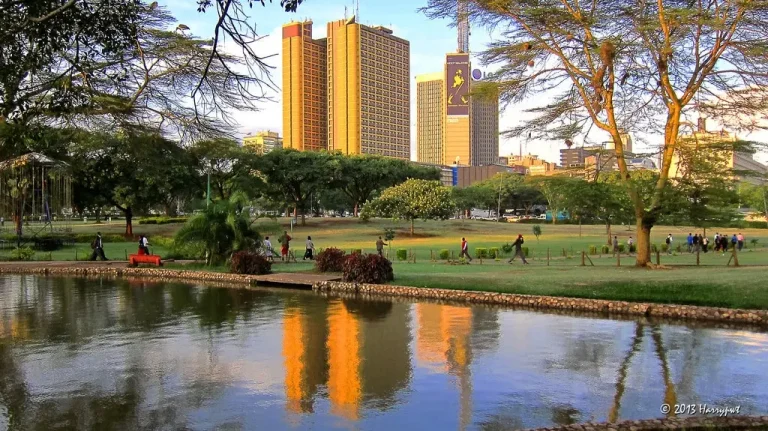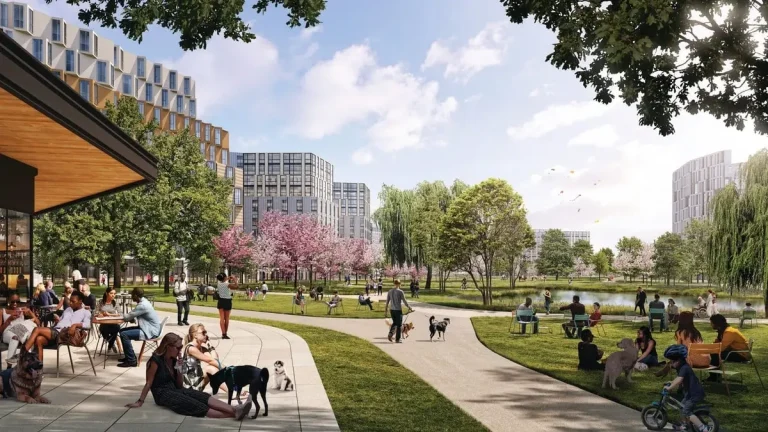
Walkable cities are the backbone of sustainable urban development, fostering healthier communities, reducing environmental impacts, and improving overall quality of life. In a world where urban areas are growing rapidly, designing cities that prioritize pedestrians over vehicles is not just a trend but a necessity.
This article explores the key principles of walkable city design, offering insights into how planners, architects, and policymakers can create vibrant, pedestrian-friendly urban environments.
What Is a Walkable City?
A walkable city prioritizes pedestrians by creating safe, accessible, and inviting spaces for walking. These cities are designed with interconnected streets, accessible amenities, and well-planned public spaces that reduce dependence on vehicles while enhancing the urban experience.
Benefits of Walkable Cities
- Healthier Communities: Encourages physical activity, reducing obesity and related illnesses.
- Environmental Impact: Lowers greenhouse gas emissions by reducing car dependency.
- Economic Growth: Increases foot traffic for local businesses.
- Social Benefits: Promotes social interactions and community cohesion.
Key Principles for Designing Walkable Cities
Learn the key principles of designing walkable cities, from safety and mixed-use development to placemaking and climate resilience. Build sustainable, pedestrian-friendly spaces.
Table of Contents
1. Prioritize Pedestrian Safety
Safety is fundamental in designing walkable cities. Pedestrians must feel secure in navigating urban spaces, especially in areas with heavy traffic.
Strategies to Enhance Safety:
- Traffic Calming Measures: Use speed bumps, raised crosswalks, and narrower streets to slow vehicles.
- Protected Crosswalks: Include clear markings, traffic signals, and pedestrian islands.
- Adequate Lighting: Ensure streets and walkways are well-lit to enhance visibility at night.
- Separate Bike Lanes: Create designated bike lanes to reduce conflicts between pedestrians and cyclists.
Example:
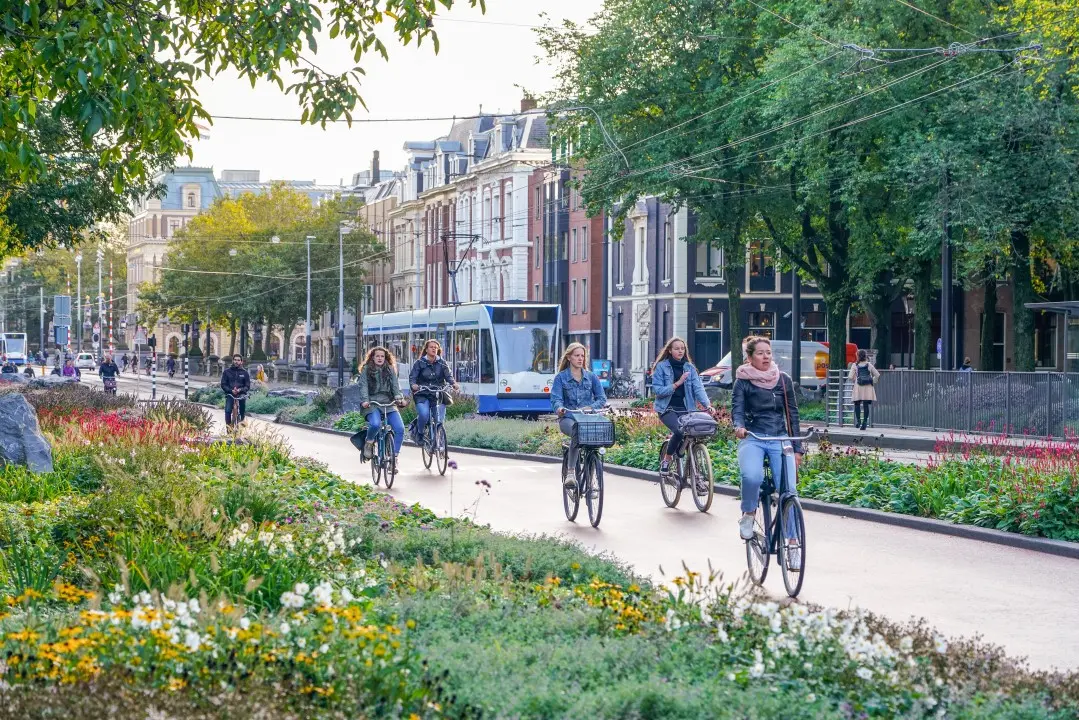
Amsterdam is renowned for its pedestrian and cyclist-friendly infrastructure, incorporating traffic-calming measures throughout the city.
2. Mixed-Use Development
A walkable city integrates residential, commercial, and recreational spaces within close proximity. Mixed-use development minimizes the need for long commutes and encourages walking as the primary mode of transportation.
Key Features of Mixed-Use Development:
- Residential Areas Near Amenities: Homes close to schools, shops, parks, and workplaces.
- Vertical Integration: Buildings with multiple uses, such as retail on the ground floor and apartments above.
- Zoning Regulations: Promote compact, mixed-use neighborhoods instead of sprawling, single-use zones.
Example:
Portland, Oregon, uses mixed-use zoning to create neighborhoods where residents can walk to most daily destinations.
3. Create a Network of Connected Streets
Connectivity is critical for walkability. A well-connected street network ensures pedestrians have multiple routes to their destinations, reducing travel time and enhancing convenience.
Design Principles for Connected Streets:
- Grid Patterns: Simplify navigation with predictable layouts.
- Short Blocks: Increase intersection density, offering more pedestrian crossings.
- Cul-de-sac Alternatives: Replace dead ends with pathways or bridges for better connectivity.
Example:
Barcelona’s “Superblocks” initiative transforms clusters of city blocks into pedestrian-priority zones by limiting vehicular access and enhancing walkability.
4. Enhance Public Spaces
Public spaces are the heart of walkable cities. Parks, plazas, and streetscapes provide areas for recreation, relaxation, and community gatherings.
Designing Inviting Public Spaces:
- Green Spaces: Integrate trees, gardens, and parks to offer shade and improve air quality.
- Street Furniture: Include benches, fountains, and art installations for comfort and aesthetics.
- Multi-Use Spaces: Design plazas and parks for activities like markets, performances, and leisure.
Example:
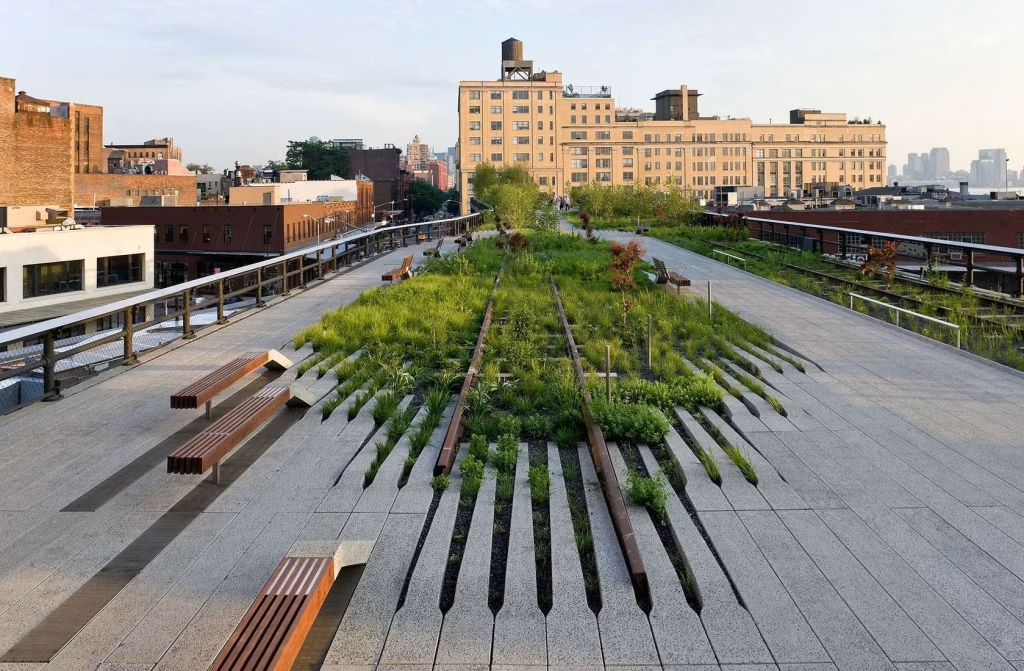
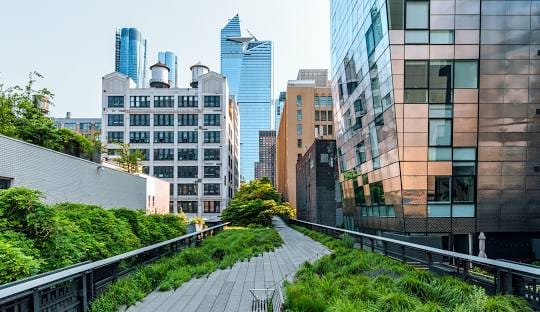
The High Line in New York City repurposed an abandoned railway into a thriving pedestrian park, demonstrating the potential of urban green spaces.
5. Promote Accessibility and Inclusivity
Walkable cities must be accessible to everyone, including people with disabilities, older adults, and families with children.
Accessibility Features:
- Universal Design Principles: Design spaces usable by all people, regardless of ability.
- Smooth Pathways: Ensure sidewalks are wide, level, and free of obstructions.
- Ramps and Elevators: Provide alternatives to stairs in public areas.
- Clear Signage: Use large, readable signs with multilingual and pictorial elements.
Example:
Copenhagen excels in inclusivity with its extensive network of accessible pedestrian streets and public transportation systems.
6. Integrate Public Transit
Efficient public transportation complements walkable cities by providing easy access to destinations beyond walking distance.
Transit-Oriented Design:
- Transit Hubs: Place bus stops, train stations, and bike-share systems within walking distance of key areas.
- Seamless Connections: Ensure smooth transitions between walking paths and transit modes.
- Compact Development: Concentrate growth around transit corridors to encourage walking.
Example:
Tokyo combines walkable neighborhoods with an extensive, reliable transit network, making it one of the most pedestrian-friendly cities in the world.
7. Focus on Placemaking
Placemaking emphasizes creating spaces that are not just functional but also meaningful and enjoyable.
Placemaking Principles:
- Community Input: Involve residents in the design process to reflect their needs and values.
- Cultural Identity: Incorporate local history, art, and architecture.
- Vibrancy: Use colors, textures, and interactive elements to make spaces dynamic.
Example:
Bogotá, Colombia, has embraced placemaking through its vibrant pedestrian zones, which include art installations and cultural activities.
8. Plan for Climate Resilience
Walkable cities must be designed with climate adaptability in mind to ensure long-term sustainability.
Sustainable Features:
- Permeable Pavements: Reduce stormwater runoff and prevent flooding.
- Urban Shade: Plant trees and incorporate green roofs to combat urban heat islands.
- Flood-Resistant Infrastructure: Elevate pathways in flood-prone areas.
Example:
Singapore integrates climate resilience into its urban design, with green corridors and rain gardens throughout the city.
9. Encourage Vibrant Street Life
Walkable cities thrive on active, engaging streetscapes that draw people outdoors.
Strategies to Activate Streets:
- Sidewalk Cafés and Markets: Encourage businesses to use outdoor spaces.
- Street Performances and Events: Create opportunities for cultural expression.
- Public Art: Add murals, sculptures, and installations to enrich the pedestrian experience.
Example:
Paris is famous for its vibrant streets, with cafés, shops, and pedestrian promenades that make walking enjoyable.
10. Monitor and Improve Over Time
Building a walkable city is an ongoing process. Continuous monitoring, feedback, and updates are essential for maintaining and improving walkability.
Strategies for Continuous Improvement:
- Regular Surveys: Gather feedback from residents and pedestrians.
- Technology Integration: Use apps and sensors to monitor foot traffic and identify problem areas.
- Policy Updates: Adapt zoning laws, pedestrian priorities, and funding to align with evolving needs.
Example:
Melbourne conducts annual pedestrian counts and adjusts its urban planning policies based on the data collected.
Challenges in Designing Walkable Cities
- Resistance to Change: Overcoming car-centric planning and community pushback.
- Budget Constraints: Securing funding for pedestrian-focused projects.
- Balancing Competing Interests: Meeting the needs of pedestrians, cyclists, drivers, and businesses.
Learn more: Urban Landscape Design: Challenges and Solutions
Frequently Asked Questions (FAQ)
Q: Why are walkable cities important?
A: Walkable cities improve public health, reduce environmental impact, support local economies, and foster stronger social connections by encouraging walking over car usage.
Q: How does mixed-use development contribute to walkability?
A: Mixed-use development reduces travel distances by integrating residential, commercial, and recreational spaces, encouraging walking as the primary mode of transportation.
Q: What is placemaking, and why is it important in walkable cities?
A: Placemaking involves designing spaces that are not just functional but also meaningful, vibrant, and culturally significant, enhancing the pedestrian experience.
Q: How can urban planners ensure continuous improvement of walkable cities?
A: Continuous improvement can be achieved through regular surveys, monitoring foot traffic, leveraging technology, and updating policies to address changing urban needs.
Conclusion: Building Walkable Cities for a Better Future
Designing walkable cities is a multidisciplinary effort that combines thoughtful urban planning, innovative design, and a commitment to sustainability. By prioritizing pedestrians, integrating public spaces, and fostering inclusivity, we can create urban environments that are healthier, more equitable, and more enjoyable for everyone.
Walkable cities are more than just a design trend—they’re the foundation for thriving communities and a sustainable future. Want to learn more about urban design principles or discuss ideas for your community? Share your thoughts in the comments below! Let’s work together to create cities that inspire movement and connection.