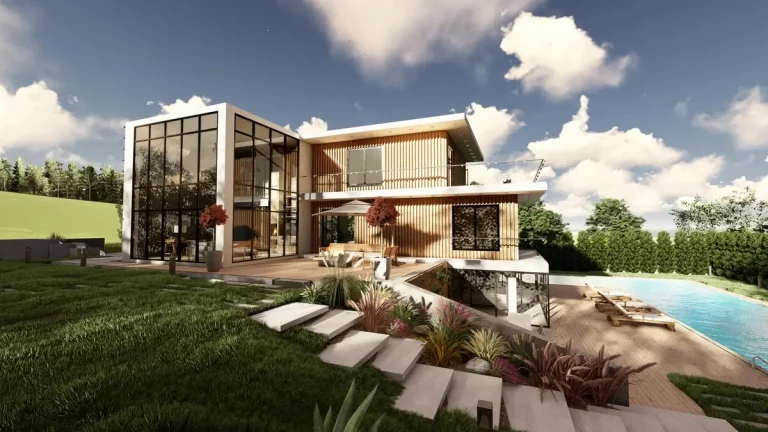

In the world of landscape architecture, even the best ideas can face rejection. Clients may struggle to connect with a design concept for various reasons—misaligned expectations, communication gaps, or an aesthetic that doesn’t resonate. While client dissatisfaction can feel like a setback, it’s also a golden opportunity to refine your process, build trust, and deliver an exceptional final product.
This article explores actionable strategies to turn client dissatisfaction into delight, ensuring a positive experience for both parties while achieving a landscape design that exceeds expectations.
Why might a client be unhappy with a landscape architect’s concept?
Clients may be dissatisfied due to unmet expectations, aesthetic mismatches, functional concerns, or communication gaps during the design process.
How to Handle Client Dissatisfaction in Design
Learn how to turn client dissatisfaction into delight with actionable strategies in landscape architecture. Build trust, refine designs, and exceed expectations.
Table of Contents
1. Listen Actively and Empathetically
When a client expresses dissatisfaction, the first step is to truly understand their concerns. Listening actively and empathetically can prevent misunderstandings and provide clarity.
Strategies for Active Listening:
- Ask Open-Ended Questions: “What specifically about the design isn’t working for you?”
- Paraphrase Their Concerns: Summarize their points to ensure understanding.
- Acknowledge Their Feelings: Show empathy without being defensive—“I understand why this might feel off for you.”
2. Revisit the Original Brief Together
Clients’ expectations can evolve during a project, or there may have been misinterpretations of the initial brief. Re-examining the brief can realign everyone’s vision.
Steps to Revisit the Brief:
- Review Key Objectives: Reassess the client’s goals, budget, and preferences.
- Identify Gaps: Highlight any mismatches between the concept and the brief.
- Clarify Expectations: Ask if there have been changes in their priorities or needs.
3. Uncover the Root of the Dissatisfaction
Understanding the specific reasons behind the client’s dissatisfaction is crucial to addressing their concerns effectively.
Possible Issues and Solutions:
- Aesthetic Mismatch: Offer alternative design styles or visual references.
- Functional Concerns: Ensure the layout aligns with practical needs.
- Budget Misalignment: Explore cost-effective adjustments without compromising quality.
- Communication Gaps: Use clear visuals or 3D renderings to bridge understanding.
4. Present Iterative Solutions
Once you’ve identified the problem, work collaboratively to explore alternatives. Presenting iterative solutions can help narrow down the client’s preferences.
Steps for Iterative Design:
- Develop Multiple Options: Provide 2-3 revised concepts showcasing different approaches.
- Incorporate Client Input: Use their feedback to refine designs in real-time.
- Use Visual Aids: Present sketches, mood boards, or digital walkthroughs to illustrate changes.
5. Improve Communication Channels
A significant part of client dissatisfaction often stems from communication breakdowns. Strengthening communication channels can prevent and resolve misunderstandings.
Tips for Effective Communication:
- Hold Regular Check-Ins: Schedule meetings to update clients on progress.
- Share Visual Progress: Use tools like SketchUp or AutoCAD to show ongoing developments.
- Be Transparent: Discuss challenges and explain design decisions clearly.
6. Educate the Client on Design Choices
Clients may reject concepts because they don’t fully understand the rationale behind design decisions. Educating them can help them see the value in your approach.
How to Educate Clients:
- Explain the Process: Walk them through your design thinking and choices.
- Show Real-World Examples: Provide case studies or images of similar designs in action.
- Highlight Benefits: Emphasize how your concept meets their needs, solves problems, or adds value.
7. Be Open to Collaboration
Involving the client in the design process can transform their dissatisfaction into excitement. Collaborative brainstorming fosters a sense of ownership in the final outcome.
Ways to Collaborate:
- Co-Create Design Features: Invite them to share their ideas for specific elements.
- Seek Inspiration Together: Review Pinterest boards, magazines, or site visits.
- Use Visual Feedback Tools: Platforms like Conceptboard or Miro can facilitate collaborative editing.
8. Address Budget Concerns Proactively
If budget constraints are causing dissatisfaction, it’s essential to provide solutions that align with financial limitations while preserving the project’s essence.
Strategies for Budget Alignment:
- Prioritize Elements: Focus on high-impact areas first.
- Suggest Alternatives: Propose cost-effective materials or features.
- Be Transparent: Outline cost implications for each revision.
9. Offer Enhanced Visualizations
Sometimes dissatisfaction arises from clients struggling to visualize the design. Enhanced presentations can bring the concept to life.
Visualization Tools:
- 3D Renderings: Use software like Lumion or V-Ray for photorealistic visuals.
- Augmented Reality (AR): Allow clients to “walk through” the design virtually.
- Interactive Models: Share digital models clients can explore on their devices.
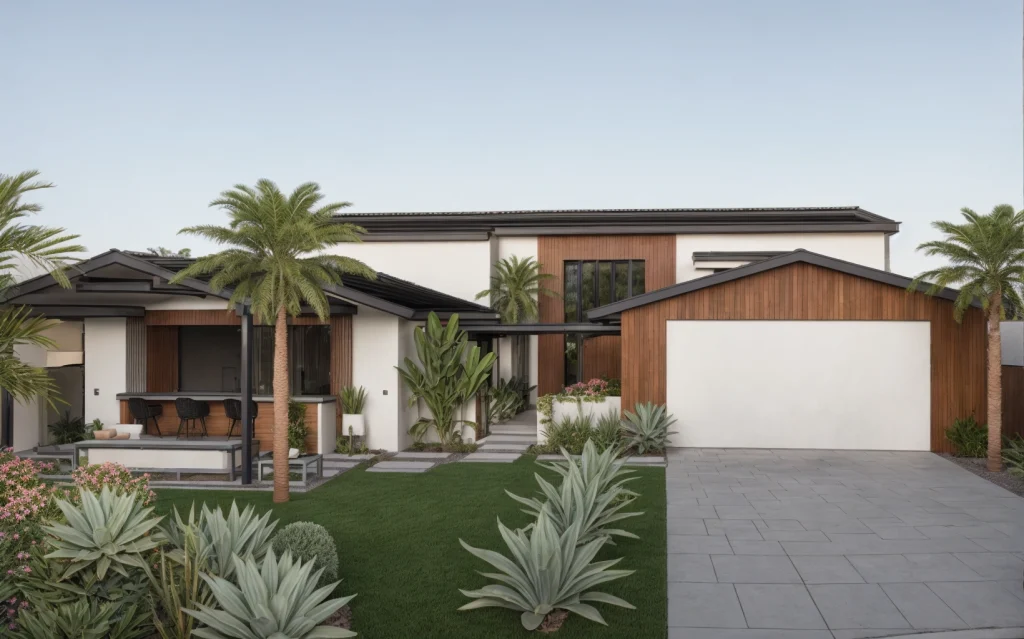


Related: 5 Best Landscape Rendering Software & Tools
10. Maintain a Positive and Professional Attitude
Even when faced with criticism, a positive and professional demeanor can go a long way in building trust and demonstrating your commitment to excellence.
Tips for Maintaining Professionalism:
- Stay Calm and Solution-Focused: Approach feedback as an opportunity to improve.
- Own Up to Mistakes: If there’s an oversight, take responsibility and rectify it promptly.
- Show Enthusiasm: Convey excitement about finding a solution that delights them.
Frequently Asked Questions (FAQ)
Q: How can I understand the root cause of a client’s dissatisfaction?
A: Use active listening, ask open-ended questions, and revisit the original project brief to identify specific concerns or changes in their expectations.
Q: How can I prevent client dissatisfaction in future projects?
A: Maintain clear communication, set realistic expectations, share progress updates regularly, and involve clients in the decision-making process.
Q: Should I change my design entirely if a client is unhappy?
A: Not necessarily. Work collaboratively to refine and align the design with the client’s needs while maintaining the project’s core vision and goals.
Q: How can I turn a negative client experience into a positive one?
A: Address concerns with empathy, involve the client in the design process, and deliver a refined concept that exceeds their expectations.
Q: What’s the most important takeaway for dealing with dissatisfied clients?
A: View dissatisfaction as an opportunity to grow, refine your process, and create a design that delights your client while enhancing your expertise.
Conclusion: Turning Dissatisfaction into Delight
Client dissatisfaction isn’t a dead end—it’s a detour toward better outcomes. By actively listening, revisiting the brief, educating your client, and collaborating on solutions, you can transform a challenging situation into a success story.
At its core, landscape architecture is about creating spaces that resonate with the people who use them. Addressing dissatisfaction with empathy and expertise ensures you not only meet your client’s expectations but exceed them, leaving them thrilled with the final design.
Have you faced client dissatisfaction in your projects? Share your experiences and solutions in the comments below. Let’s build a community of resilient and creative problem-solvers!