

Working in landscape architecture often means balancing creativity, technical expertise, and client relationships. While most clients are a pleasure to work with, some can be challenging due to misaligned expectations, constant changes, or poor communication. Handling difficult clients effectively is a skill that not only ensures project success but also strengthens your reputation as a professional.
This guide offers actionable strategies for navigating tough client relationships, maintaining professionalism, and achieving successful project outcomes.
How do I handle a client who micromanages the project?
Reassure them of your expertise, set clear roles and boundaries, and involve them selectively during critical phases of the project.
Related: How to Handle Client Dissatisfaction in Landscape Architecture
How to Deal with Difficult Clients in Landscape Architecture
Discover practical strategies for managing difficult clients in landscape architecture. Learn to communicate effectively, set boundaries, and turn challenges into successful collaborations.
Table of Contents
1. Understand the Root Cause of the Difficulty
Clients may behave in difficult ways for various reasons, such as unmet expectations, stress, or a lack of understanding about the design process. Identifying the root cause is the first step toward resolution.
Steps to Understand the Issue:
- Listen Actively: Pay attention to their concerns without interrupting.
- Ask Clarifying Questions: Probe gently to uncover hidden frustrations or misunderstandings.
- Acknowledge Their Feelings: Show empathy to demonstrate you care about their perspective.
Common Challenges:
- Unrealistic expectations about timelines or costs.
- Poor communication or lack of clarity in the project brief.
- Emotional investment leading to micromanagement.
2. Set Clear Expectations Early
Establishing clear boundaries and expectations from the beginning can prevent misunderstandings.
How to Set Expectations:
- Define the Scope: Provide a detailed contract outlining deliverables, timelines, and budgets.
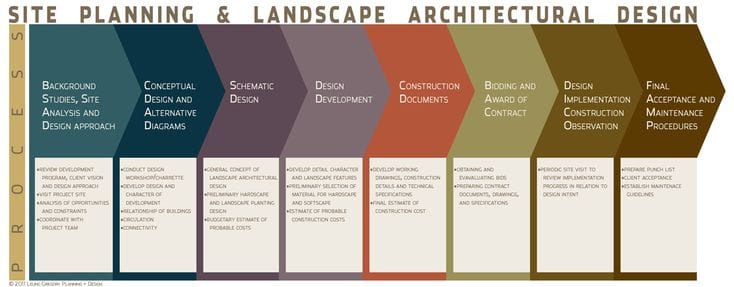
- Communicate the Process: Explain each phase of the project, from concept to completion.
- Set Boundaries: Be clear about revision limits, meeting schedules, and your role in decision-making.
Pro Tip:
Create a “welcome packet” for new clients that includes FAQs, design process steps, and your contact policy.
3. Maintain Open and Transparent Communication
Transparent communication builds trust, even with challenging clients. Keep them informed throughout the project to reduce uncertainty.
Best Practices for Communication:
- Schedule Regular Updates: Use weekly check-ins to share progress and address concerns.
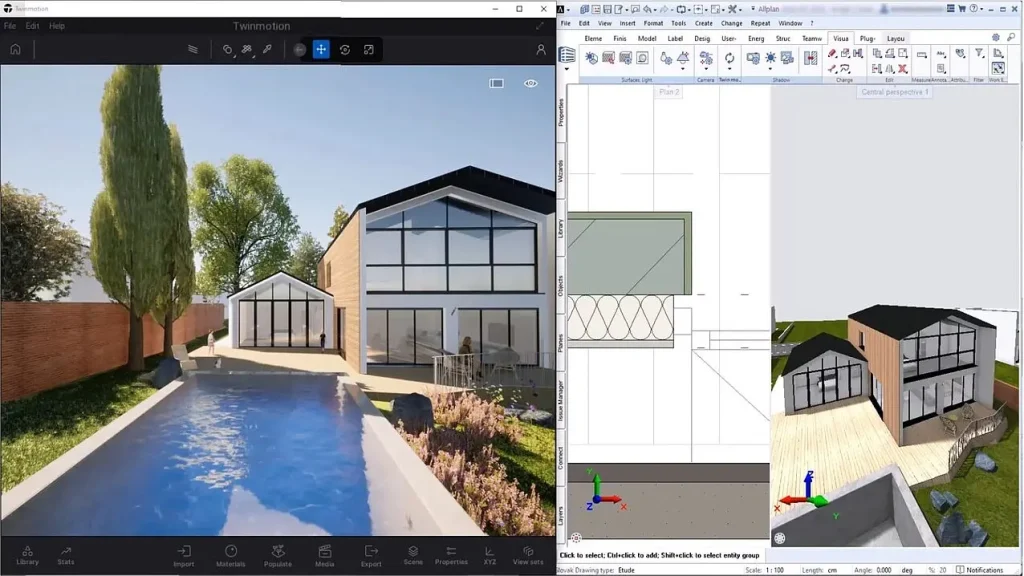
- Use Visual Aids: Provide sketches, 3D renderings, or site photos to bridge understanding gaps.
- Be Honest: If challenges arise, address them promptly and offer solutions.
4. Stay Calm and Professional
When dealing with a difficult client, maintaining composure is key. Reacting emotionally can escalate the situation, while professionalism fosters resolution.
Tips for Staying Professional:
- Pause Before Responding: Take time to process before addressing a complaint.
- Use Neutral Language: Avoid confrontational phrases and focus on solutions.
- Focus on Facts: Stick to objective details rather than personal opinions.
5. Manage Revisions Effectively
Frequent or excessive revision requests are a common challenge with demanding clients. Create a system to handle revisions efficiently.
How to Handle Revisions:
- Set Limits: Include a specified number of revisions in the contract.
- Charge for Extra Changes: Outline additional costs for revisions beyond the agreed limit.
- Document Feedback: Use written feedback forms to ensure clarity and accountability.
6. Educate the Client About the Design Process
Many client frustrations stem from not understanding the complexities of landscape architecture. Educating them can alleviate misunderstandings.
Ways to Educate Clients:
- Explain Design Decisions: Provide rationales for choices like material selection or spatial layouts.
- Showcase Examples: Share similar project case studies or visual references.
- Demonstrate Constraints: Highlight limitations related to budget, site conditions, or regulations.
7. Learn to Say No Diplomatically
Sometimes, you need to push back on unreasonable demands or suggestions that compromise the project’s quality or feasibility.
How to Say No Effectively:
- Acknowledge the Request: Show understanding before declining.
- Explain the Reasoning: Provide a clear explanation of why the request isn’t feasible.
- Offer Alternatives: Suggest other options that align with the project’s goals.
8. Involve the Client in the Design Process
Engaging clients as collaborators rather than adversaries can improve the working relationship.
Collaboration Strategies:
- Hold Collaborative Workshops: Brainstorm ideas together during the early phases.
- Use Interactive Tools: Leverage software like Conceptboard or Miro for real-time feedback.
- Celebrate Milestones: Acknowledge progress to keep clients invested and positive.
9. Document Everything
Difficult clients can sometimes misremember or dispute agreements. Keeping detailed records protects you and clarifies misunderstandings.
What to Document:
- Initial project scope and agreements.
- Email and meeting summaries.
- Client feedback and requested changes.
- Any costs or timeline adjustments.
Pro Tip:
Use project management tools like Trello or Asana to centralize documentation and share updates.
10. Know When to Walk Away
If a client relationship becomes toxic or jeopardizes your mental health, it may be best to part ways.
Signs It’s Time to End the Relationship:
- Persistent disrespect or unprofessional behavior.
- Refusal to adhere to agreements or boundaries.
- Demands that compromise your ethics or the project’s integrity.
How to End Things Professionally:
- Provide Notice: Inform the client in writing, giving a reasonable timeframe for transition.
- Offer Referrals: Suggest other professionals who might suit their needs.
- Be Gracious: Maintain a respectful tone to avoid burning bridges.
Frequently Asked Questions (FAQ)
Q: What should I do if a client requests too many changes?
A: Set clear revision limits in your contract, charge for extra revisions, and document all feedback to manage expectations professionally.
Q: How can I prevent conflicts with clients in future projects?
A: Establish clear expectations from the outset, maintain open communication, involve clients in the design process, and document agreements.
Q: Should I always comply with a difficult client’s demands?
A: Not necessarily. It’s important to push back diplomatically on unreasonable requests while offering alternatives that align with project goals.
Q: What’s the best way to address a misunderstanding with a client?
A: Approach misunderstandings with empathy, clarify the situation through open dialogue and provide solutions that address their concerns.
Q: How can I turn a challenging client experience into a positive one?
A: Address concerns empathetically, involve the client in collaborative solutions, and deliver a final product that exceeds their expectations.
Conclusion: Turning Challenges Into Opportunities
Difficult clients are an inevitable part of professional life, but they also offer valuable lessons in patience, communication, and problem-solving. By listening actively, setting clear expectations, and maintaining professionalism, you can transform challenging relationships into successful collaborations.
Remember, every tough client you handle effectively strengthens your ability to navigate complex projects and builds your reputation as a resilient, client-focused landscape architect.
Have you faced difficult clients in your landscape architecture practice? Share your experiences and tips in the comments below to help others in the field!