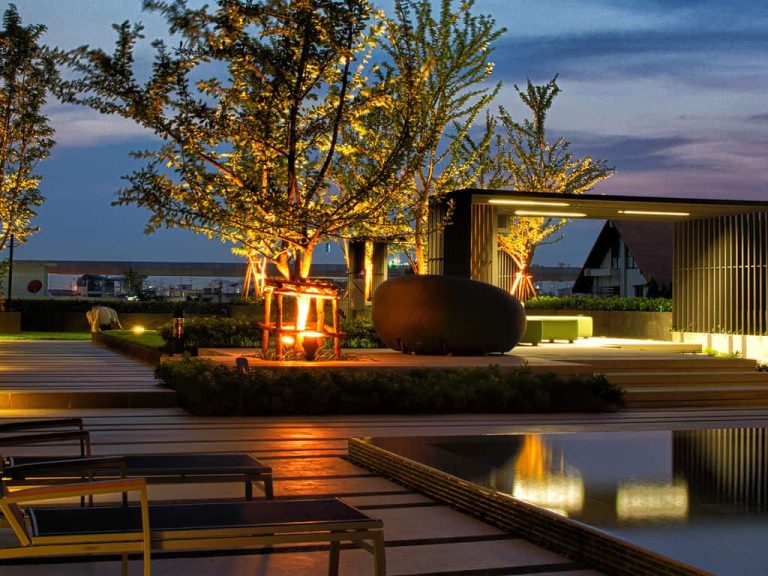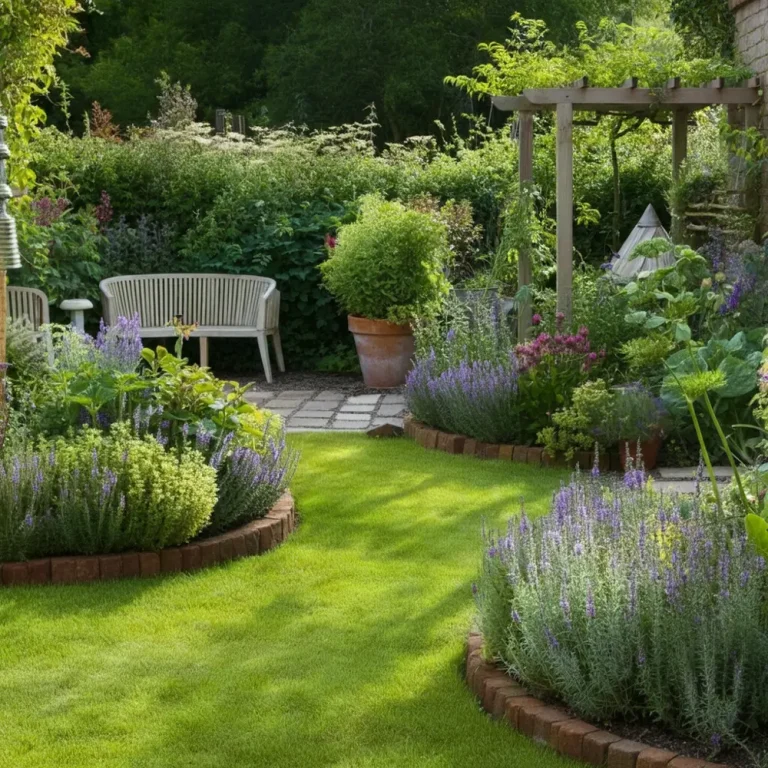
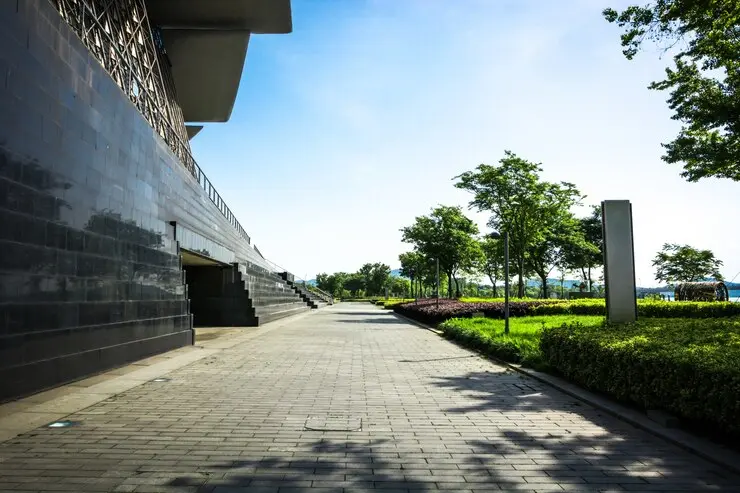
Creating a durable, visually appealing, and functional outdoor space requires choosing the right hardscaping materials. These materials not only form the backbone of landscape design but also ensure longevity, sustainability, and ease of maintenance. Whether you’re a homeowner looking to upgrade your yard or a professional landscape architect planning a large project, understanding your options is key.
In this guide, we’ll explore the top 10 hardscaping materials that combine durability, aesthetics, and practicality to elevate your outdoor spaces.
What is Hardscaping?
Hardscaping refers to the non-living elements in a landscape design, including pathways, patios, retaining walls, driveways, and decorative features like water fountains. These materials add structure, contrast, and functionality to outdoor spaces, balancing the greenery with practical elements.
The Importance of Choosing the Right Materials
Choosing the right hardscaping materials can impact:
- Durability: Withstand weather, foot traffic, and wear.
- Aesthetics: Complement the design style and surrounding environment.
- Functionality: Meet the practical needs of the space.
- Sustainability: Offer eco-friendly solutions.
- Cost-Effectiveness: Balance upfront and maintenance costs.
Durable Hardscaping Materials: Top 10 Picks for Outdoor Spaces
Discover the top 10 hardscaping materials for durable outdoor spaces. Learn their pros, cons, uses, and trends to elevate your landscape design.
Best Materials for Hardscaping
1. Natural Stone
Overview
Natural stone is a classic choice for hardscaping, offering unmatched beauty and durability. Each piece has a unique texture, color, and pattern that enhances the character of outdoor spaces.

Common Uses
- Patios
- Pathways
- Retaining walls
Pros
- Timeless aesthetic appeal
- Highly durable and weather-resistant
- Low maintenance
Cons
- High upfront cost
- Heavy, requiring professional installation
Popular Types
- Slate
- Granite
- Limestone
2. Concrete
Overview
Concrete is one of the most versatile and cost-effective hardscaping materials. With modern advancements, it can be customized to mimic more expensive options like natural stone or brick.

Common Uses
- Driveways
- Walkways
- Pool decks
Pros
- Affordable and durable
- Wide range of finishes and colors
- Easy to repair
Cons
- Can crack over time if not installed properly
- Limited aesthetic compared to natural materials
Trends
Stamped and stained concrete are popular for adding texture and color.
3. Pavers
Overview
Interlocking pavers are pre-cut pieces made from materials like concrete, brick, or natural stone. They’re a go-to option for creating patterned designs.

Common Uses
- Walkways
- Patios
- Courtyards
Pros
- Easy to install and replace
- Slip-resistant
- Available in various styles and colors
Cons
- Requires proper base preparation to prevent shifting
- Higher cost compared to poured concrete
4. Brick
Overview
Brick offers a traditional and rustic charm, making it a popular choice for creating classic outdoor designs.

Common Uses
- Pathways
- Garden borders
- Fire pits
Pros
- Long-lasting and weather-resistant
- Recyclable and eco-friendly
- Adds a warm aesthetic
Cons
- Limited color range (usually reds and browns)
- Requires regular cleaning to prevent moss growth
5. Gravel
Overview
Gravel is an affordable, flexible, and low-maintenance material often used for informal hardscaping projects.

Common Uses
- Driveways
- Pathways
- Ground cover for drainage
Pros
- Excellent for drainage
- Cost-effective and easy to install
- Adds texture and contrast to landscapes
Cons
- Needs regular replenishment
- Can shift underfoot, making it less stable
6. Composite Decking
Overview
Made from recycled wood and plastic, composite decking is an eco-friendly, low-maintenance alternative to traditional wood.

Common Uses
- Decks
- Elevated patios
- Outdoor seating areas
Pros
- Resistant to rotting, splintering, and insects
- Available in various colors and textures
- Environmentally friendly
Cons
- Higher initial cost compared to wood
- Can get hot in direct sunlight
7. Wood
Overview
Wood remains a timeless choice for hardscaping, offering natural warmth and flexibility in design.

Common Uses
- Decking
- Pergolas
- Fencing
Pros
- Easy to work with
- Biodegradable and renewable
- Warm, natural aesthetic
Cons
- Requires regular sealing or staining
- Susceptible to weathering, pests, and rot
Popular Options
- Cedar
- Redwood
- Teak
8. Porcelain Tiles
Overview
Porcelain tiles are a modern hardscaping material known for their sleek appearance and durability.

Common Uses
- Pool decks
- Patios
- Walkways
Pros
- Highly resistant to moisture, scratches, and stains
- Lightweight yet durable
- Available in numerous styles, including wood and stone look-alikes
Cons
- Requires professional installation
- Can be slippery when wet if untextured
9. Metal
Overview
Metal is an unconventional but striking hardscaping material, often used for decorative and structural purposes.

Common Uses
- Retaining walls
- Edging
- Pergolas
Pros
- Durable and weather-resistant (especially corten steel)
- Offers a modern, industrial look
- Low maintenance
Cons
- Can rust if untreated
- Expensive compared to other materials
10. Mulch and Rubber Mulch
Overview
While traditionally associated with softscaping, mulch and rubber mulch are increasingly used as hardscaping materials to provide contrast and functionality.

Common Uses
- Pathways
- Playground surfaces
- Decorative ground cover
Pros
- Eco-friendly (rubber mulch uses recycled tires)
- Great for weed control and moisture retention
- Affordable
Cons
- Needs regular replenishment (organic mulch)
- Rubber mulch can heat up under the sun
How to Choose the Right Hardscaping Material
Consider these factors when selecting materials:
- Climate: Ensure the material withstands local weather conditions.
- Budget: Balance upfront costs with long-term maintenance expenses.
- Design Goals: Match the material with your desired aesthetic.
- Functionality: Choose materials suited to their intended purpose.
- Sustainability: Opt for eco-friendly and recycled options where possible.
Emerging Trends in Hardscaping
- Sustainable Materials: Recycled pavers, composite decking, and rubber mulch.
- Technology Integration: Incorporating LED lighting into hardscapes.
- Natural Blends: Combining hard and softscaping for seamless transitions.
- Permeable Solutions: Pavers and gravel for better water management.
FAQs
Q: Which hardscaping material is the most durable?
A: Natural stone is among the most durable materials, lasting decades with minimal maintenance.
Q: What’s the most affordable hardscaping material?
A: Gravel and concrete are cost-effective options for budget-conscious projects.
Q: How can I make hardscaping eco-friendly?
A: Use recycled materials like composite decking, rubber mulch, and permeable pavers to minimize environmental impact.
Conclusion: Building Durable Outdoor Spaces
Choosing the right hardscaping materials can transform your outdoor space into a beautiful, functional, and long-lasting haven. From the timeless elegance of natural stone to the modern versatility of composite decking, these materials offer endless possibilities for creativity and practicality.
Take the time to evaluate your needs, budget, and style preferences to select materials that align with your vision. Whether you’re a professional or a DIY enthusiast, the right materials will ensure your outdoor spaces stand the test of time.
Ready to start designing your dream outdoor space? Let these materials inspire your next project!