Designing outdoor spaces that are functional, beautiful, and sustainable requires a structured approach. The design process in landscape architecture serves as the blueprint for transforming raw spaces into vibrant environments. Whether you’re creating a residential garden, a public park, or a large-scale urban project, understanding this process is critical for success.
This guide breaks down the landscape architecture design process into key phases, offering insights into how professionals shape the spaces we interact with every day.
Why Is the Design Process Important?
The design process is fundamental to:
- Ensuring client needs are met.
- Aligning designs with environmental and regulatory considerations.
- Achieving aesthetic, functional, and sustainable goals.
- Avoiding costly errors during implementation.
Landscape architecture design process
Discover the essential steps of the landscape architecture design process, from site analysis to project implementation. Learn how professionals create beautiful and sustainable outdoor spaces.
Table of Contents
1. Initial Consultation and Site Analysis
Goal: Gather essential information about the project and site.
Activities:
- Client Briefing: Meet with the client to discuss goals, budget, and timelines.
- Site Visit: Analyze the site’s physical, environmental, and cultural conditions, such as soil type, topography, climate, and existing vegetation.
- Data Collection: Gather maps, surveys, and zoning regulations.
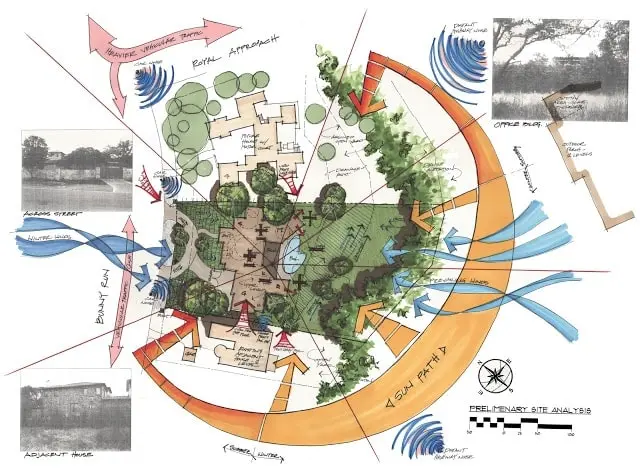
Example: For a residential project, the landscape architect might identify drainage issues or consider how sunlight patterns affect plant placement.
2. Concept Development
Goal: Create initial ideas that align with the project vision.
Activities:
- Brainstorm design ideas based on client preferences and site conditions.
- Develop rough sketches and diagrams to outline potential layouts.
- Present initial concepts to the client for feedback.

Key Tip: Focus on big-picture elements such as spatial organization, circulation, and thematic inspiration.
Example: For an urban plaza, the concept might center on enhancing pedestrian connectivity while integrating green spaces.
3. Preliminary Design
Goal: Develop a detailed design proposal based on the approved concept.
Activities:
- Create scaled drawings and plans that outline key elements such as hardscapes, planting zones, water features, and amenities.
- Incorporate feedback from clients and other stakeholders.
- Evaluate environmental impacts and regulatory compliance.
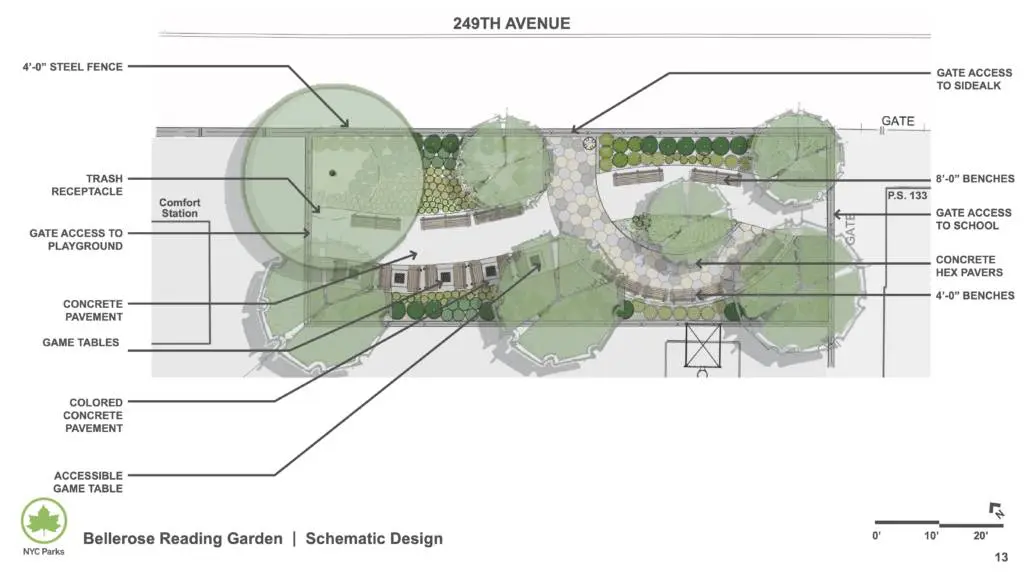
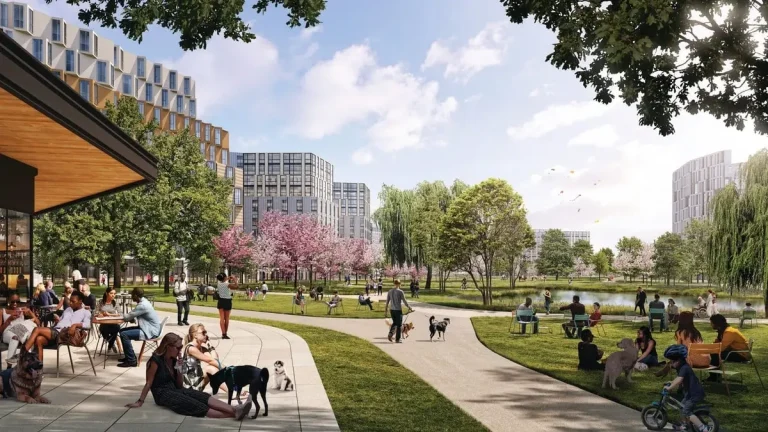
Example: A public park design might include pathways, playgrounds, native plantings, and stormwater management systems.
4. Design Development
Goal: Refine the design into a comprehensive plan ready for implementation.
Activities:
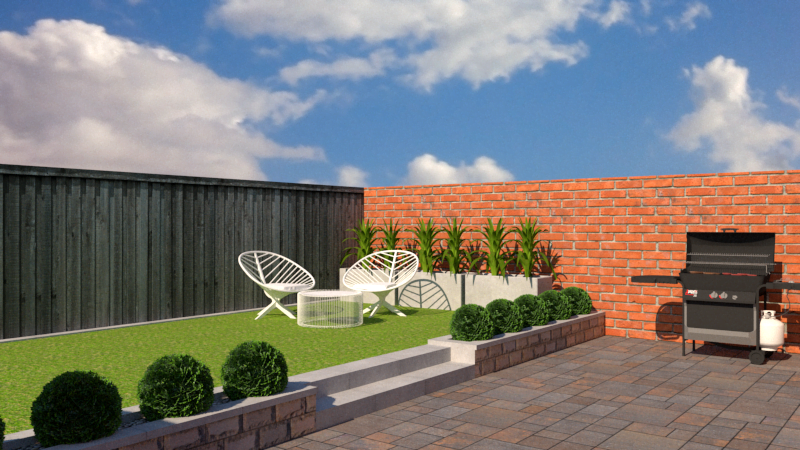
- Finalize material selections, plant species, and technical specifications.
- Develop detailed plans for grading, drainage, lighting, and irrigation systems.
- Collaborate with other professionals, such as civil engineers and architects.

5. Construction Documentation
Goal: Create detailed technical drawings and specifications for contractors.
Activities:
- Prepare construction documents, including site plans, planting plans, and construction details.
- Specify materials, finishes, and quantities.
- Address any regulatory approvals or permits.
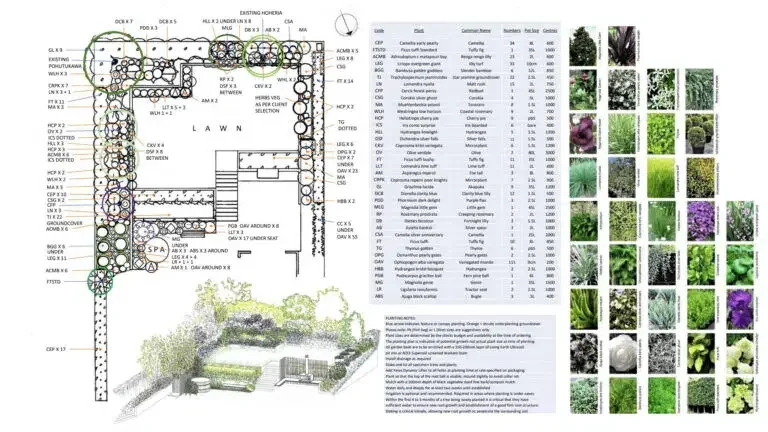
Key Tip: Precision in documentation minimizes errors during construction.
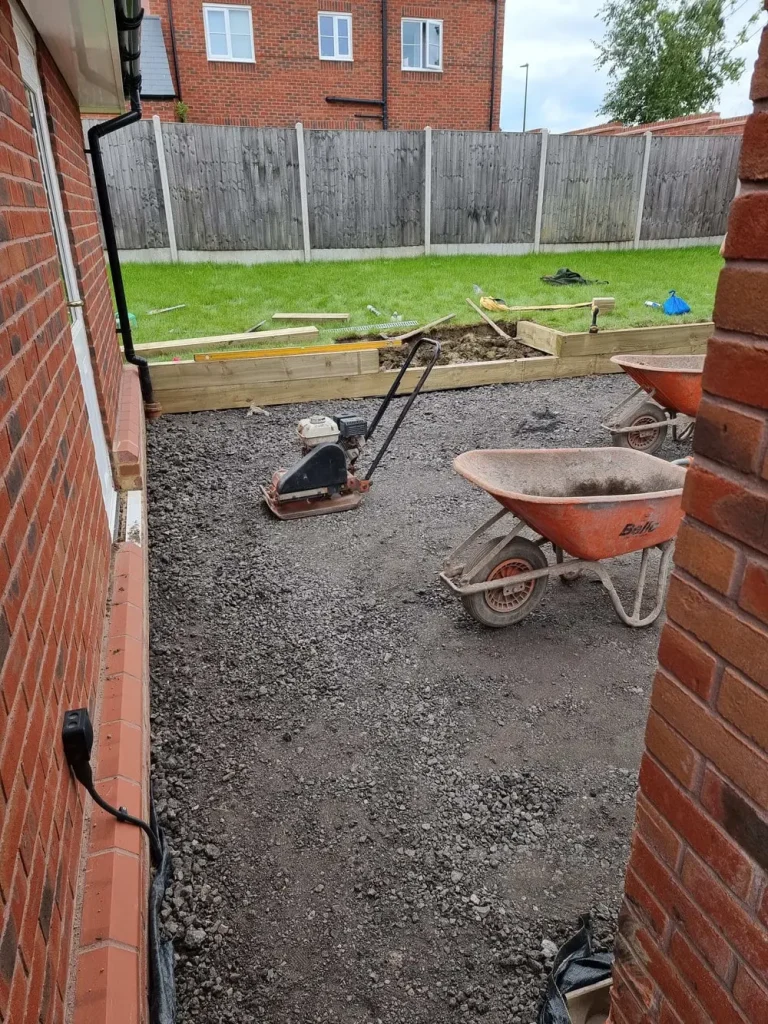
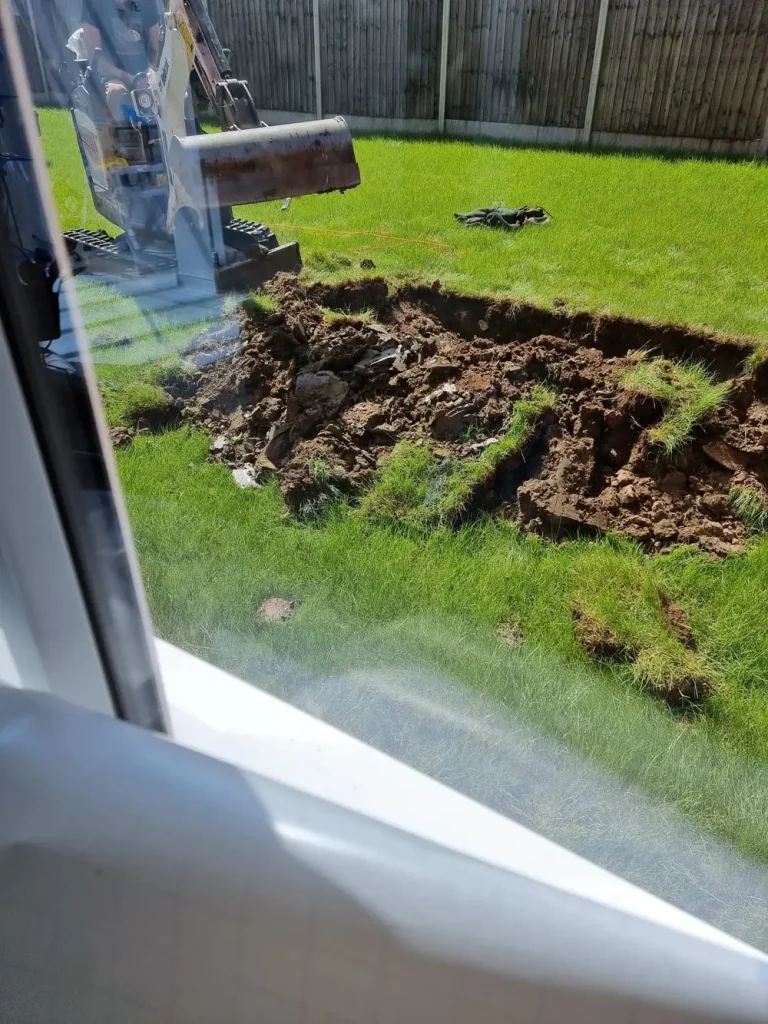
6. Project Implementation
Goal: Oversee the construction phase to ensure the design is executed correctly.
Activities:
- Work with contractors to implement the design.
- Conduct regular site visits to monitor progress and resolve any issues.
- Ensure quality control and adherence to the plan.
7. Post-Implementation Review
Goal: Evaluate the completed project and ensure client satisfaction.
Activities:
- Inspect the site to confirm that all elements align with the design.
- Address any adjustments or maintenance plans.
- Gather client feedback and document lessons learned for future projects.
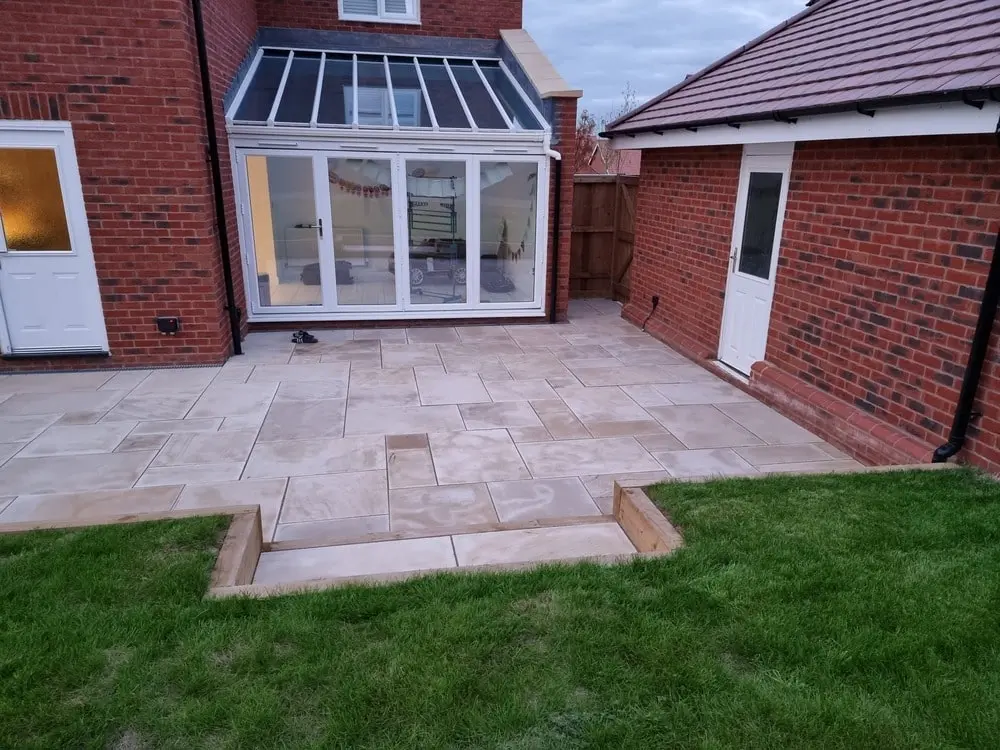
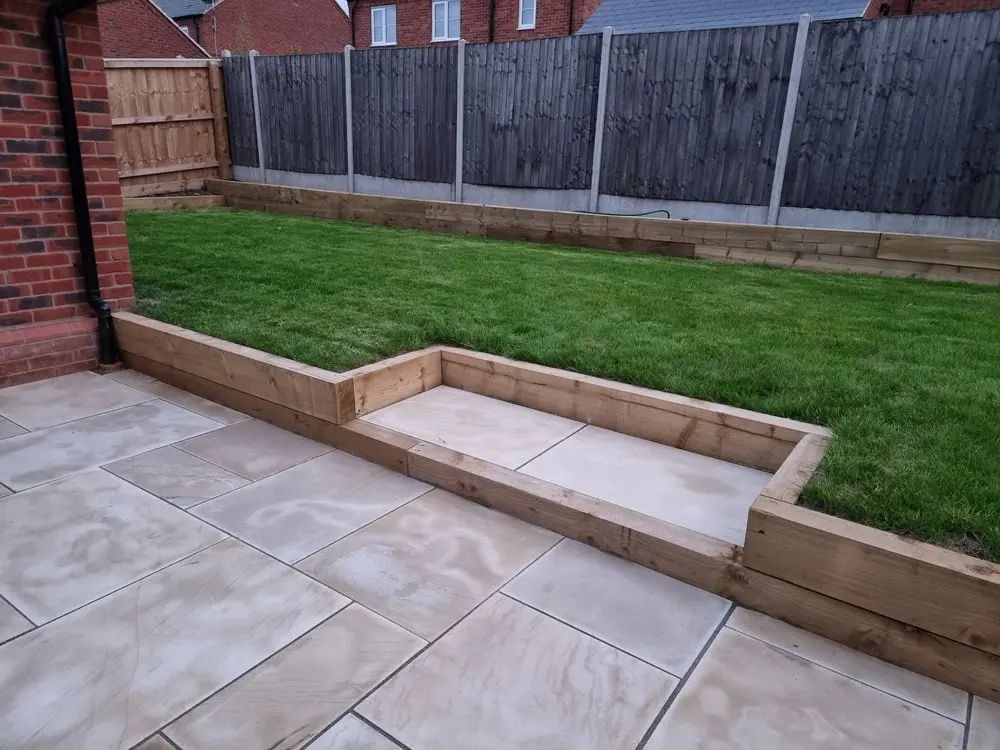
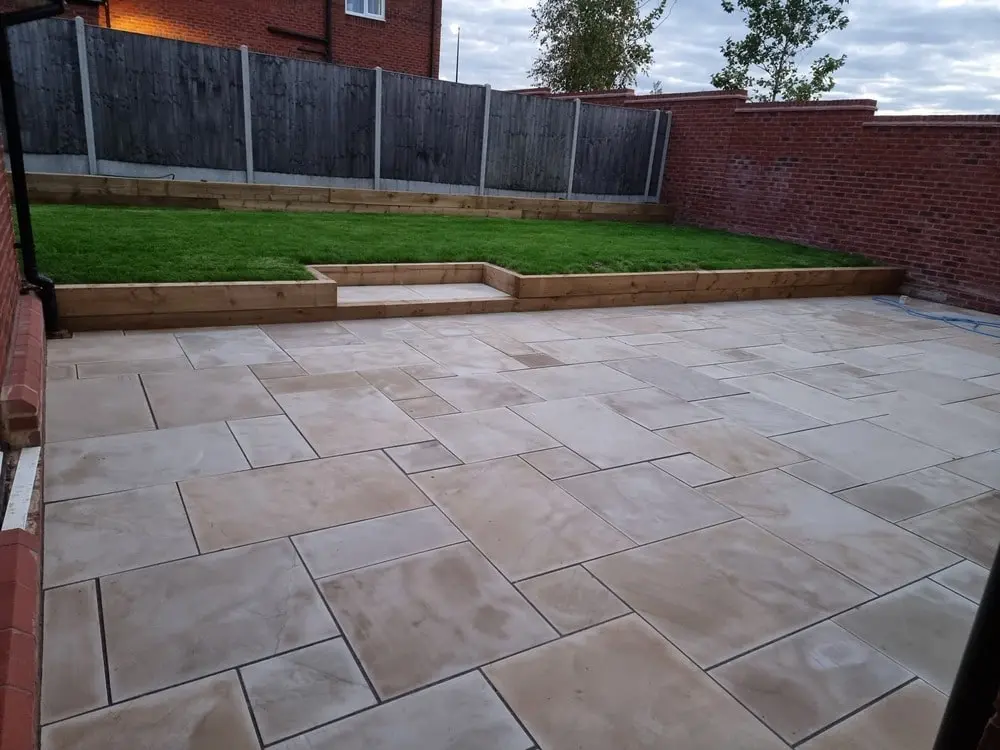
A residential garden may require a follow-up visit to check plant health and irrigation system performance.
Challenges in the Design Process
Landscape architects often encounter:
- Budget constraints requiring design adjustments.
- Regulatory hurdles during permitting.
- Unexpected site conditions uncovered during construction.
- Balancing client desires with environmental sustainability.
Overcoming these challenges requires flexibility, creativity, and strong communication skills.
Frequently Asked Questions (FAQ)
Q: What are the main phases of the landscape architecture design process?
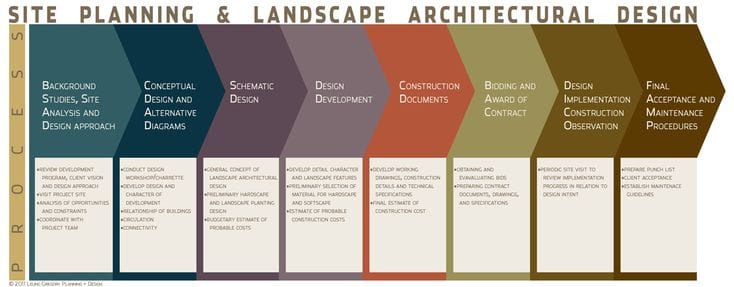
A: The process includes initial consultation and site analysis, concept development, preliminary design, design development, construction documentation, implementation, and post-implementation review.
Q: Why is site analysis important in landscape design?
A: Site analysis helps identify physical, environmental, and cultural conditions, ensuring that the design aligns with the site’s unique characteristics and constraints.
Q: How involved are clients in the design process?
A: Clients are typically involved in the concept development and feedback stages to ensure the final design meets their vision and goals.
Q: What happens during the construction documentation phase?
A: Landscape architects prepare detailed technical drawings and specifications, outlining materials, finishes, and construction methods for contractors to follow.
Q: How do architects handle challenges like budget constraints?
A: Architects may prioritize essential features, recommend cost-effective materials, or phase the project to meet budgetary requirements.
Q: How long does the design process in landscape architecture take?
A: Timelines vary based on project size and complexity, ranging from a few weeks for small gardens to several months or years for large-scale developments.
Emerging Trends in Landscape Design Processes
1. Digital Tools
- 3D modeling and visualization software like SketchUp and Lumion enhance concept presentations.
- Geographic Information Systems (GIS) aid in site analysis and planning.
2. Sustainability Focus
Designers increasingly integrate green infrastructure, native plants, and water-efficient systems to promote sustainability.
3. Community Involvement
Public projects often involve participatory design processes, incorporating input from local communities.
Conclusion
The design process in landscape architecture is both art and science, requiring a blend of creativity, technical knowledge, and problem-solving. By following a structured approach, landscape architects can transform spaces to meet client needs, address environmental challenges, and enhance the beauty and functionality of the built environment.
Whether designing a backyard garden or a large urban park, the journey from concept to completion is a testament to the transformative power of thoughtful design.