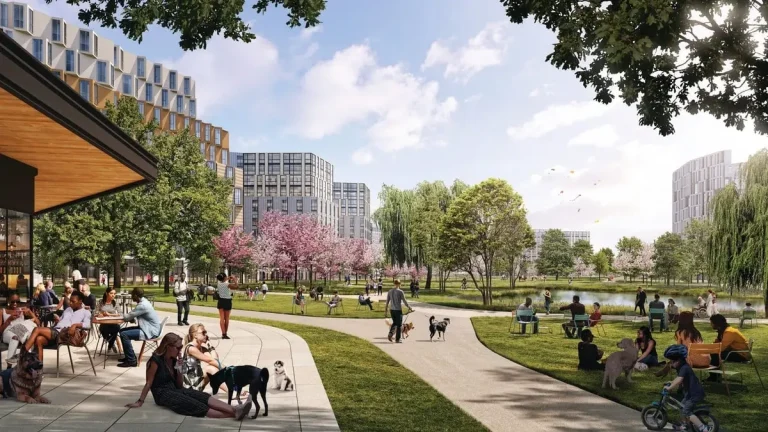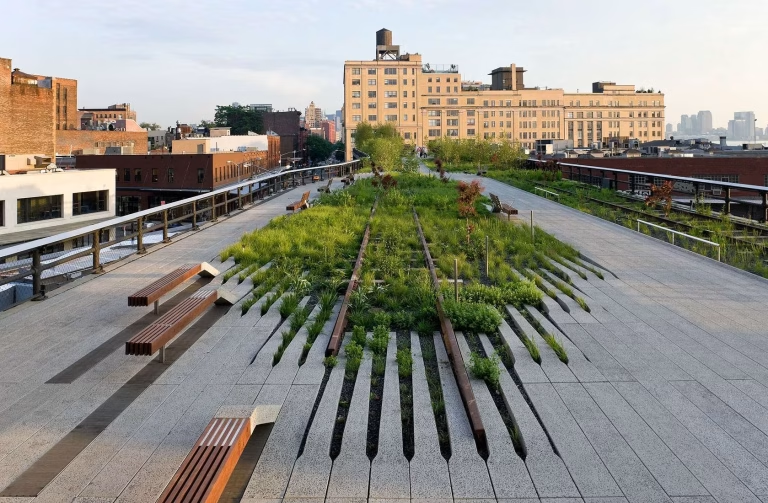

Have you ever walked through a beautiful city park and felt an instant sense of relief, connection, and calm? Public parks are more than just green spaces—they’re dynamic urban planning tools that enhance the quality of life, connect communities, and support environmental sustainability.
So, what is the role of public parks in urban planning, and how do they shape our cities and daily lives? Whether you’re a city dweller, urban planner, or environmental enthusiast, understanding the strategic role of parks can transform how you view these green spaces.
In this blog post, we’ll explore how public parks contribute to urban planning, their multifaceted benefits, design strategies, and how they fit into sustainable and equitable city development. Let’s uncover their significance together!
Table of Contents
What is the role of design in creating successful urban parks?
Design plays a central role by ensuring parks are functional, aesthetically pleasing, and meet the needs of diverse populations. Good urban park design considers accessibility, green space distribution, recreational facilities, and safety.
The Multifaceted Role of Public Parks in Urban Planning
Public parks are much more than just playgrounds or walking paths. They serve as critical components in the design of livable, functional, and resilient urban areas. Below are some of the key ways public parks influence urban planning:
Explore the role of public parks in urban planning. Learn about their social, environmental, economic benefits, and how they shape sustainable cities.
1. Improving Quality of Life
Public parks are essential for recreational activities, mental health, and social interaction. In cities with limited green space, parks become vital for residents’ well-being.
How They Improve Daily Life:
- Recreation: Walking, running, cycling, yoga, and sports.
- Mental Health: Access to green spaces has been shown to reduce stress and anxiety.
- Community Gathering: Parks act as community hubs for events, gatherings, and cultural activities.
2. Environmental Benefits and Climate Resilience
Urban areas are heavily impacted by climate change, but parks play a significant role in mitigating these effects:
How Parks Help the Environment:
- Air Quality: Trees and vegetation in parks filter pollutants and improve air quality.
- Temperature Regulation: Green spaces combat the urban heat island effect by lowering surface temperatures.
- Stormwater Management: Parks with green spaces absorb rainwater, reducing urban flooding risks.
Through well-planned green spaces, cities can become more adaptive and resilient to climate challenges.
3. Social Equity and Inclusion
Public parks create spaces that are open and accessible to all residents, regardless of age, income, or background. A well-designed park can foster inclusivity by connecting diverse neighborhoods and offering opportunities for shared community experiences.
Equity and Community Benefits:
- Spaces for children to play safely.
- Accessible spaces for individuals with disabilities.
- Safe community hubs for all demographic groups.
Equity-focused urban planning ensures that parks are distributed evenly across income levels and neighborhoods to avoid inequalities.
4. Reducing Urban Congestion and Supporting Mobility
Strategically placed parks can reduce congestion by offering alternative pathways for pedestrians and cyclists. Parks with interconnected green corridors can create walkable pathways and provide vital connections between different urban districts.
These green routes can reduce dependence on vehicles, supporting efforts toward reduced emissions and better connectivity.
5. Economic Development and Property Value
Public parks aren’t just recreational spaces—they’re economic drivers. Well-maintained parks and green spaces improve property values, attract businesses, and draw tourism.
Examples of Economic Benefits:
- Real estate near public parks tends to have higher value.
- Parks attract visitors and boost local small businesses.
- They create employment opportunities related to park maintenance, programming, and recreation.
Green spaces are not just about environmental aesthetics; they’re long-term investments in economic stability and urban growth.
6. Enhancing Cultural and Artistic Identity
Many public parks double as spaces for cultural expression and creativity. Through art installations, festivals, performances, and design, parks can reflect a city’s history, heritage, and creativity.
Key Examples:
- Outdoor art exhibits.
- Public spaces hosting local events and cultural festivals.
- Spaces that integrate historic landmarks with recreational areas.

These design choices help embed community identity and pride within urban spaces.
Key Design Principles for Successful Urban Parks
To maximize the impact of public parks in urban planning, thoughtful design is essential. Poorly planned green spaces may fail to meet the needs of a community. Below are key principles to follow:
1. Accessibility and Inclusivity
Every park should be easily accessible to residents of all ages and abilities. This includes ensuring:
- Accessible walking paths.
- ADA-compliant facilities and rest areas.
- Clear transportation links connecting the park to nearby neighborhoods.
Urban planning should prioritize proximity, so residents can access green spaces without requiring extensive travel.
2. Multi-Functional Design
Modern urban parks should have diverse uses to serve as gathering spaces for multiple community needs. Multi-functional design allows parks to accommodate:
- Sports fields and playgrounds for families.
- Yoga zones and fitness tracks.
- Open spaces for community events or festivals.
Design should prioritize adaptability to cater to different activities and seasons.
3. Green Infrastructure Integration
Integrating green infrastructure like rain gardens, permeable pathways, and bioswales can make parks sustainable while addressing environmental challenges such as stormwater runoff.

4. Incorporating Sustainable Materials
Choosing eco-friendly and durable materials is key to ensuring the park’s longevity while maintaining environmental goals. Examples of sustainable choices include recycled wood, locally sourced stone, and permeable pavement.
5. Plant Selection for Long-Term Health
The choice of trees, grass, and shrubs should focus on:
- Native plant species.
- Drought-tolerant vegetation to minimize water needs.
- Biodiversity to support ecosystems and wildlife.
Challenges to Consider in Urban Park Planning
While parks have tremendous benefits, urban planning must address challenges to ensure long-term success:
- Budget Constraints: Not all cities have the resources to build and maintain parks.
- Urban Density: In densely urbanized cities, space is at a premium.
- Climate Change: Rising temperatures and changing weather patterns may affect the sustainability of green spaces.
- Land Use Conflicts: Some urban developments compete with green space goals.
Urban planners must balance these constraints with strategic, innovative design solutions.
Learn more: Urban Landscape Design: Challenges and Solutions
Final Thoughts: The Future of Urban Living Depends on Green Spaces
The role of public parks in urban planning extends far beyond aesthetics. They’re critical for social equity, climate resilience, community health, and economic growth. Thoughtful urban planning prioritizes green spaces as solutions to contemporary urban challenges.
As cities continue to grow, the integration of parks into city design is not optional—it’s necessary. From providing recreation to supporting biodiversity and economic opportunities, public parks represent a green blueprint for the future.
What do you think the future of urban parks looks like? Let’s start a conversation in the comments!