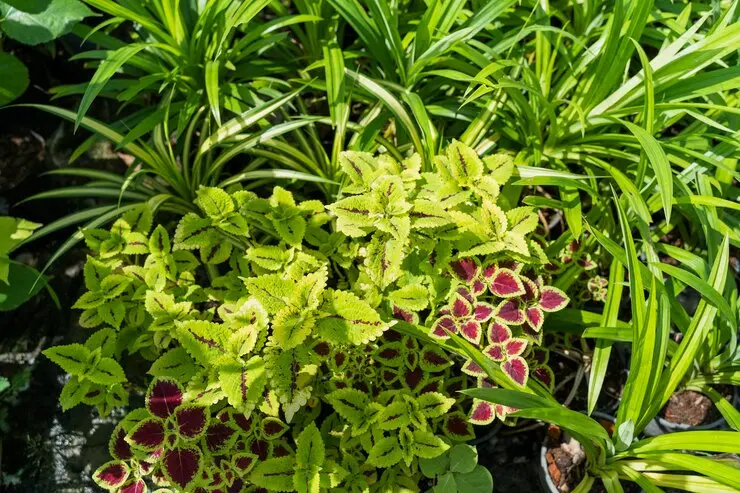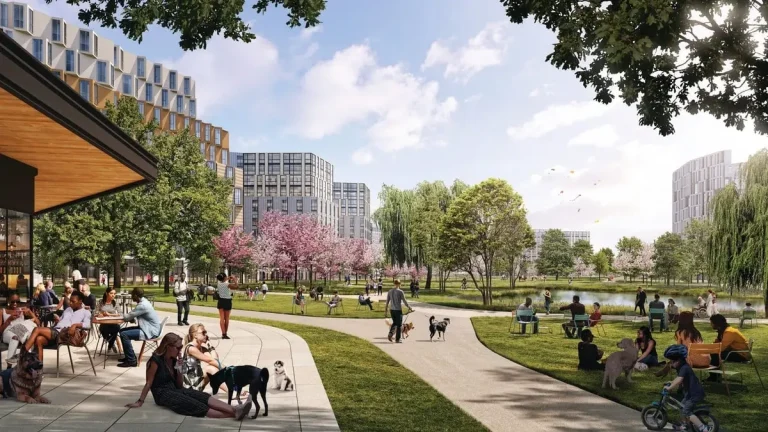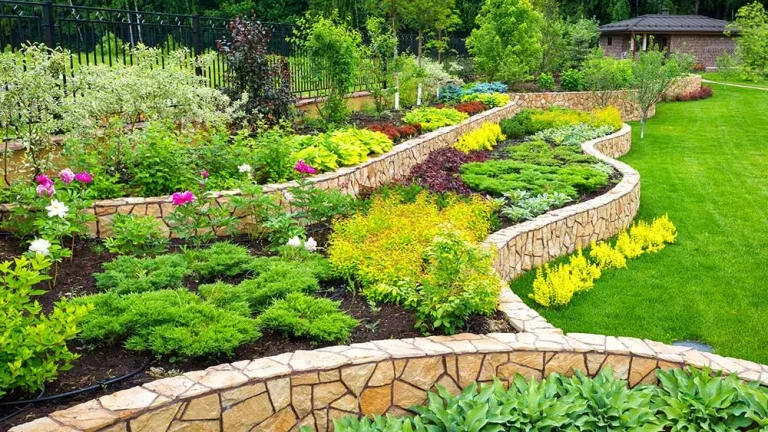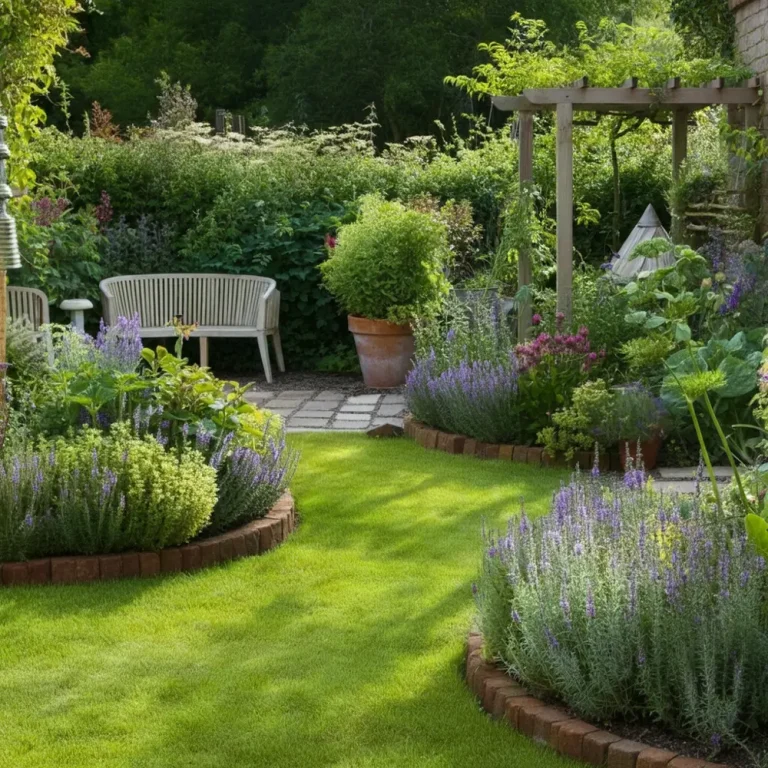

As climate change and environmental consciousness continue to shape our approach to outdoor spaces, sustainable landscape design has evolved from a niche concept to a mainstream necessity. The year 2024 brings exciting innovations that blend aesthetics, functionality, and environmental responsibility.
What is Sustainable Landscape Design
Sustainable landscape design goes beyond traditional gardening. It’s a holistic approach that considers:
- Environmental impact
- Local ecosystem support
- Resource conservation
- Human health and well-being
- Long-term sustainability
Top 10 Sustainable Landscape Design Trends for 2024
Discover the most innovative sustainable landscape design trends for 2024. Learn how to create eco-friendly, beautiful outdoor spaces that support the environment and enhance your property.
Table of Contents
1. Native Plant-Centric Landscapes
Native plants are the cornerstone of sustainable landscape design in 2024. These locally adapted species offer numerous benefits:
- 50% reduction in water consumption compared to non-native plants
- Minimal maintenance requirements
- Natural pest resistance
- Critical support for local wildlife and pollinators
- Enhanced biodiversity
Key strategies:
- Conduct local ecosystem research
- Select region-specific native plant varieties
- Create diverse plant communities
- Implement native plant corridors
2. Advanced Water-Efficient Landscaping
Water conservation takes center stage with innovative approaches:
- Drought-resistant plant selections
- Smart irrigation technologies
- Rainwater harvesting systems
- Xeriscaping techniques
- Precision moisture management

Implementation techniques:
- Install soil moisture sensors
- Use AI-driven irrigation controllers
- Design rain gardens
- Implement greywater recycling systems
3. Climate-Resilient Garden Designs
Landscapes are now engineered to withstand extreme weather conditions:
- Flood-resistant plantings
- Heat-tolerant vegetation selections
- Improved soil health strategies
- Microclimate management
- Adaptive design principles
Key considerations:
- Assess local climate projections
- Select climate-adaptive plant species
- Implement soil carbon sequestration techniques
- Create multi-layered landscape designs
4. Regenerative Landscaping Approaches
Moving beyond sustainability, regenerative design focuses on ecosystem restoration:
- Active carbon sequestration
- Biodiversity enhancement
- Natural habitat creation
- Holistic environmental healing
- Ecosystem functionality improvement
Implementation strategies:
- Develop multi-species plant communities
- Use organic soil amendment techniques
- Create wildlife corridors
- Minimize soil disturbance
- Promote natural ecosystem processes
5. Smart Technology Integration
Technology transforms landscape management and efficiency:
- Solar-powered landscape lighting
- AI-driven irrigation systems
- Advanced moisture sensors
- Climate monitoring technologies
- Energy-efficient outdoor solutions

Key technologies:
- IoT-enabled garden management systems
- Solar landscape lighting
- Automated climate control
- Drone-based landscape monitoring
- Smart water management platforms
6. Edible Landscaping
Productive landscapes blend aesthetics with functionality:
- Integrated food production
- Permaculture design principles
- Edible ornamental plants
- Urban agriculture integration
- Community food production strategies
Design approaches:
- Incorporate fruit trees and berry bushes
- Design herb spirals
- Create vertical food gardens
- Integrate edible plants with ornamental landscapes
- Develop community sharing networks
7. Pollinator-Friendly Design
Supporting critical ecosystem participants:
- Diverse flowering plant selections
- Habitat corridor creation
- Pesticide-free zones
- Native plant integration
- Year-round nectar sources
Implementation techniques:
- Select native flowering plants
- Create continuous blooming sequences
- Provide diverse habitat structures
- Minimize chemical interventions
- Design multi-season pollinator support
8. Sustainable Hardscaping
Eco-conscious material choices transform outdoor spaces:
- Recycled and locally sourced materials
- Permeable paving solutions
- Low-carbon concrete alternatives
- Reclaimed wood features
- Sustainable stone selections
Material considerations:
- Local material sourcing
- Recycled content evaluation
- Carbon footprint assessment
- Durability and maintenance requirements
- Aesthetic and functional performance
9. Vertical and Rooftop Gardens
Maximizing limited urban spaces:
- Advanced green wall technologies
- Modular planting systems
- Lightweight growing mediums
- Urban food production
- Thermal insulation benefits
Design strategies:
- Structural load assessment
- Waterproofing considerations
- Lightweight growing media
- Efficient irrigation systems
- Microclimate management
10. Holistic Wellness Landscapes
Designing spaces that support human health:
- Stress-reduction plantings
- Sensory garden experiences
- Air-purifying vegetation
- Natural sound integration
- Therapeutic landscape principles
Wellness design elements:
- Create multi-sensory experiences
- Use biophilic design principles
- Incorporate natural meditation spaces
- Design for mental and physical restoration
- Support emotional well-being
Conclusion
Sustainable landscape design represents a critical intersection of environmental stewardship, aesthetic beauty, and human well-being. By embracing these innovative trends, we can create outdoor spaces that not only look beautiful but actively contribute to ecosystem health and personal wellness.
The future of landscape design is not just about creating visually appealing spaces, but about designing living, breathing ecosystems that support both human and natural environments.