
When was the last time you looked around your city and thought about its role in climate change? From rising temperatures to extreme weather events, urban areas are at the forefront of climate change’s challenges. However, the design of our cities—urban design—has the power to be part of the solution.
Urban design isn’t just about creating attractive streetscapes and neighborhoods; it’s about planning for sustainability, climate adaptation, and resilience. Thoughtful urban design strategies can reduce emissions, manage rising temperatures, and prepare cities for the future impacts of climate change.
In this blog post, we’ll explore how urban design can address climate change, offering insights into innovative strategies, infrastructure solutions, and planning methodologies that cities can adopt to combat this global crisis. Let’s explore the possibilities!
The Intersection of Urban Design and Climate Change
Urban design and climate change are intrinsically connected. The way cities are laid out, planned, and built directly influences a community’s ability to respond to environmental challenges.
Urban areas are responsible for a significant percentage of global carbon emissions due to transportation, industry, and energy consumption. At the same time, they are vulnerable to climate risks, such as heat waves, floods, and rising sea levels.
By rethinking design principles, cities can adopt proactive strategies to reduce their environmental footprint and prepare for climate-related challenges.
Related: 9 Urban Landscape Architecture Trends Shaping the Cities of Tomorrow
How Urban Design Strategies Can Address Climate Change
Here are several innovative urban design strategies that can combat climate change:
Table of Contents
1. Implementing Green Infrastructure
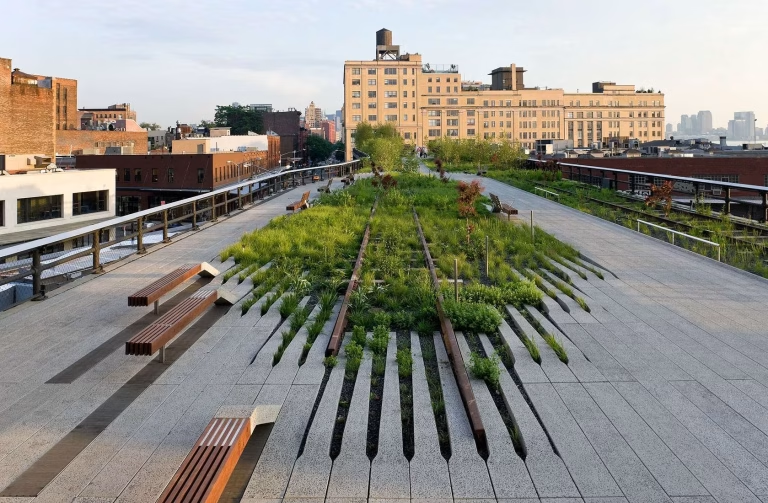
Green infrastructure integrates natural systems into urban environments to manage stormwater, reduce heat, and combat air pollution. These solutions mimic natural processes to provide sustainable, low-cost solutions.
Examples of Green Infrastructure:
- Permeable Pavement: Allows water to seep through, reducing flooding risks.
- Rain Gardens: Absorb rainwater and filter pollutants before they enter waterways.
- Green Roofs: Lower building temperatures, manage rainwater, and support biodiversity.
- Urban Tree Canopy Expansion: Trees provide shade, combat heat islands, and improve air quality.

Green infrastructure not only manages climate-related risks but also enhances the aesthetic and recreational appeal of urban spaces.
2. Promoting Sustainable Transportation Systems
Transportation is a significant contributor to urban emissions. Urban design can combat this by prioritizing sustainable mobility options.
Sustainable Transportation Strategies:
- Bicycle Infrastructure: Expand bike lanes and create bike-sharing programs.
- Public Transit Systems: Improve accessibility, frequency, and reliability of buses, trains, and trams.
- Walkable Streets: Prioritize pedestrian-friendly areas to reduce dependency on cars.
- Electric Vehicle Charging Stations: Encourage low-emission vehicle adoption.
Sustainable transportation reduces traffic congestion, cuts greenhouse gas emissions, and creates healthier, more vibrant urban spaces.
3. Designing for Energy-Efficient Infrastructure
The buildings we design and maintain can significantly impact climate change. Urban design can support energy-efficient infrastructure by incorporating sustainable building design principles.
Strategies Include:
- Passive Design: Optimize natural light, ventilation, and insulation to reduce energy use.
- Green Building Standards: Incorporate LEED, BREEAM, or similar building certifications to align with sustainable energy goals.
- Retrofitting Old Infrastructure: Upgrade existing buildings with renewable energy sources, insulation, and smart technology.
Urban design can incorporate green building design as a foundation for sustainable living while reducing dependence on fossil fuels.
4. Designing Resilient Waterfronts and Flood-Resistant Infrastructure
Rising sea levels and extreme weather events threaten urban waterfronts and low-lying coastal areas. Urban design can mitigate these risks by implementing resilient waterfront strategies.
Flood Resilience Strategies:
- Wetlands Restoration: Restore natural wetlands to buffer against storm surges and flooding.
- Stormwater Management Systems: Incorporate retention basins and permeable surfaces to absorb excess water.
- Elevation & Flood Barriers: Raise infrastructure or add barriers to prevent flood damage.
Resilient waterfront design creates buffers, reduces risks, and ensures infrastructure remains functional during climate extremes.
5. Expanding Green Spaces to Combat Heat Islands
Urban heat islands occur when concrete, asphalt, and buildings trap heat, raising local temperatures. Urban design can counteract this by strategically adding green spaces.
How Green Spaces Help:
- Trees and vegetation lower surface and air temperatures.
- Green spaces store carbon and improve air quality.
- They create recreation spaces that improve mental health and well-being.
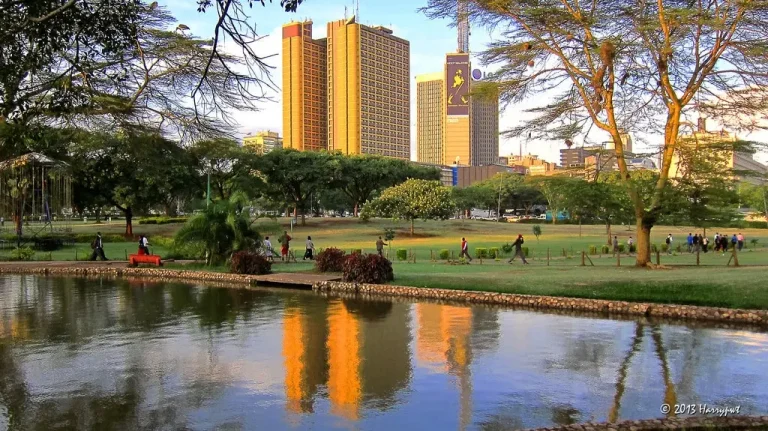
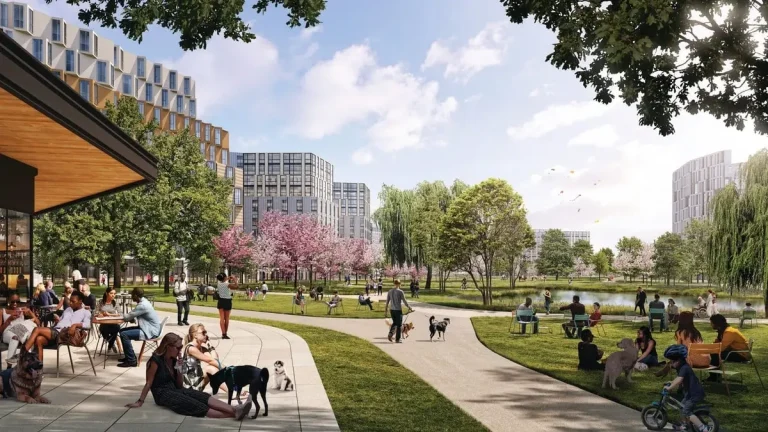
Parks, greenways, urban forests, and community gardens are excellent strategies for integrating climate adaptation with livability.
6. Strategic Land Use Planning for Climate Adaptation
Cities can adopt land use strategies that reduce their vulnerability to climate risks. Strategic planning can ensure urban growth aligns with climate goals and reduces risks like coastal flooding and urban sprawl.
Effective Strategies Include:
- Zoning for Green Space: Allocate land specifically for parks, forests, and green corridors.
- Retreat Planning: Relocate infrastructure and communities away from high-risk flood zones.
- Smart Growth Strategies: Plan compact, mixed-use neighborhoods that reduce automobile dependency and promote walkability.
Strategic land use planning allows cities to prioritize resilience and sustainability while minimizing their environmental impact.
Urban Design Success Stories: Cities Leading the Way
Several cities are already implementing urban design strategies to combat climate change:
1. Copenhagen (Denmark)
Copenhagen is a leader in sustainable urban design, with extensive bicycle infrastructure, green spaces, and water management strategies. Over 60% of Copenhageners commute by bike, reducing emissions and improving urban air quality.

2. Amsterdam (Netherlands)
Amsterdam uses green infrastructure, integrated green spaces, and innovative climate adaptation strategies to combat rising sea levels and manage stormwater. The city prioritizes multi-modal transportation and mixed-use urban design.

3. New York City (USA)
NYC has adopted initiatives such as green roofs, expanded bike lanes, and resilient waterfront restoration projects to tackle climate change through strategic urban design.
These success stories prove that strategic planning can lead to livable, resilient, and climate-friendly urban environments.
Final Thoughts: Urban Design as a Climate Action Tool
The evidence is clear: urban design has the power to combat climate change by addressing emissions, improving resilience, and supporting sustainability. From green infrastructure to sustainable transportation, urban planners, designers, and governments can implement these strategies to create healthier, equitable, and livable cities.
The challenge is clear, but so is the opportunity. Through innovative design, bold decision-making, and collaboration, cities can lead the fight against climate change while improving quality of life for millions of residents.
What urban design strategies do you think are most effective in addressing climate change? Let’s discuss this in the comments!