
As our world becomes increasingly urbanized, the need for thoughtful, sustainable landscape design in cities has never been greater. Urban environments pose a unique set of challenges, from limited space and soil quality to air pollution and heavy foot traffic. However, with the right approach, even the most concrete-laden cityscapes can be transformed into lush, livable oases.
In this article, we’ll explore the key challenges of urban landscape design and unveil practical solutions to overcome them. Whether you’re a city planner, landscape architect, or urban gardening enthusiast, this guide will equip you with the knowledge to cultivate thriving green spaces in the heart of the metropolis.
Table of Contents
What is Urban Landscape Design
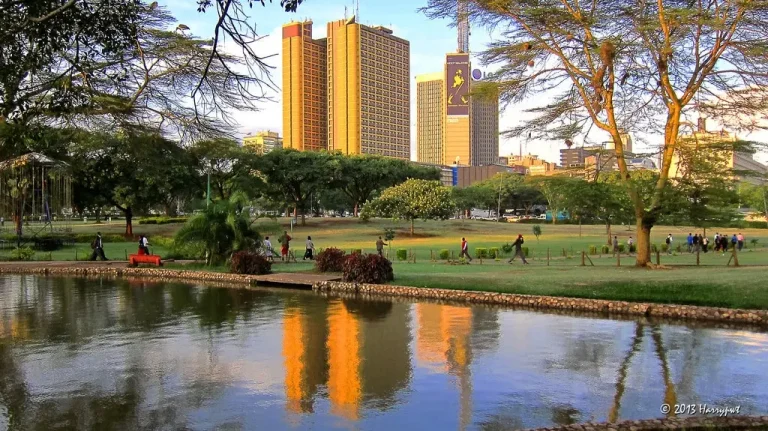
Urban landscape design is the discipline that focuses on the planning, design, and management of outdoor public spaces within urban environments. It involves the thoughtful integration of natural and built elements to create functional, aesthetically pleasing, and sustainable green spaces in cities.
The primary goals of urban landscape design include:
- Optimizing Limited Space: Urban landscape designers must work within the constraints of dense, built-up environments to maximize the use of available land and create attractive green oases.
- Enhancing Environmental Quality: Urban landscapes play a crucial role in mitigating the negative environmental impacts of cities, such as air pollution, heat island effects, and stormwater runoff.
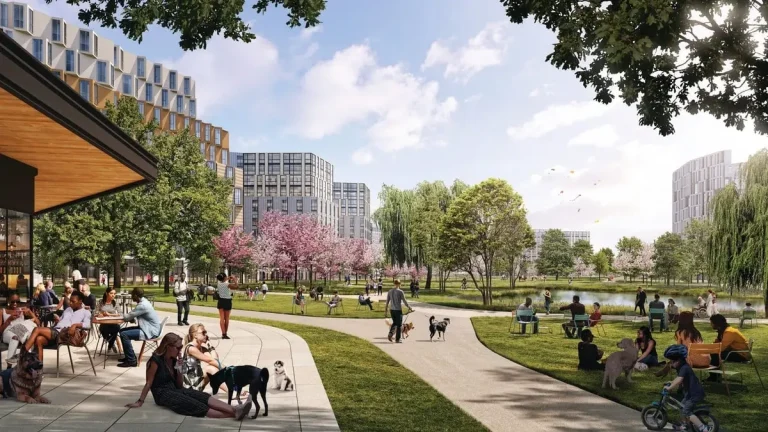
- Improving Quality of Life: Well-designed urban green spaces provide opportunities for recreation, relaxation, and community engagement, contributing to the overall livability and wellbeing of city residents.
- Promoting Sustainability: Sustainable urban landscape design principles focus on using water-efficient irrigation, promoting biodiversity, and incorporating renewable and durable materials.
Key Elements of Urban Landscape Design

- Parks, plazas, and other public gathering spaces
- Streetscapes, including trees, plantings, and street furniture
- Green infrastructure, such as rain gardens and permeable surfaces
- Vertical gardens, green walls, and rooftop landscapes
- Urban agriculture and community gardens
- Ecological restoration and habitat creation
The Challenges of Urban Landscape Design
1. Lack of Space
One of the primary obstacles in urban landscape design is the scarcity of available land. Densely populated cities often leave little room for expansive gardens or sprawling parks. Architects and designers must get creative with limited spaces, looking to vertical, rooftop, and other unconventional solutions.
2. Poor Soil Quality
Urban soils are frequently contaminated with heavy metals, pollutants, and other hazardous materials, making them unsuitable for healthy plant growth. This challenge requires specialized soil remediation techniques and the selection of resilient, hardy plant species.
3. Environmental Stressors
Cities are renowned for their high levels of air pollution, heat island effects, and other environmental stressors that can wreak havoc on urban greenery. Landscape designers must choose plants that can withstand these harsh conditions and implement strategies to mitigate their impact.
4. Heavy Foot Traffic

In urban areas, public green spaces often experience intense foot traffic from residents, commuters, and tourists. This constant use can lead to soil compaction, damage to plants, and the need for durable, low-maintenance landscaping solutions.
5. Maintenance Challenges
Maintaining urban landscapes can be particularly demanding due to factors like limited access, security concerns, and budgetary constraints. Innovative maintenance strategies and the selection of self-sustaining plant communities are crucial for the long-term viability of urban green spaces.
Solutions for Urban Landscape Design
1. Maximize Vertical Space
When land is scarce, look up! Vertical gardening techniques, such as living walls, green roofs, and trellised climbing plants, allow you to create lush, space-efficient landscapes. These solutions not only conserve valuable ground space but also provide additional environmental benefits like improved air quality and building insulation.
2. Implement Sustainable
Soil Remediation Revitalizing contaminated urban soils is essential for supporting healthy plant growth. Strategies like bioremediation, phytoremediation, and the incorporation of organic matter can help restore these degraded soils. Selecting plants that can thrive in challenging soil conditions is also key.
3. Prioritize Resilient, Adaptive Plant Species
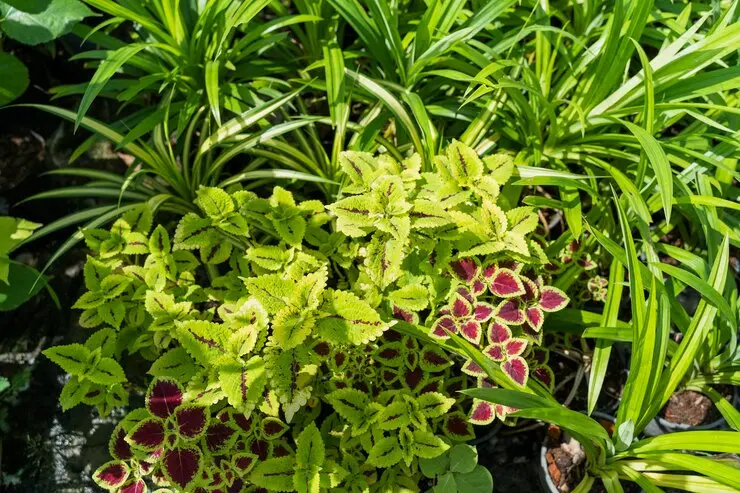
Urban landscapes demand plant species that can withstand environmental stressors like air pollution, drought, and temperature extremes. Native and climate-adapted plants are often excellent choices, as they are inherently suited to local conditions. Additionally, diversifying plant palettes can create more resilient and biodiverse urban ecosystems.
4. Design for Durability and Low Maintenance
Urban green spaces must be designed with heavy foot traffic and limited maintenance resources in mind. Opt for robust, wear-resistant hardscaping materials, and choose plant species that are low-maintenance, self-sustaining, and able to withstand frequent use. Incorporate features like permeable pavement and automated irrigation systems to reduce the burden of ongoing upkeep.
5. Integrate Smart Technology
Leverage the power of technology to enhance the performance and maintenance of urban landscapes. Implement smart irrigation systems, real-time monitoring sensors, and automated maintenance tools to optimize water usage, monitor plant health, and streamline landscape management.
6. Promote Community Engagement
Engaging the local community is crucial for the long-term success of urban green spaces. Encourage community participation through educational programs, volunteer opportunities, and collaborative design processes. This ownership and investment from residents can foster a sense of stewardship and ensure the landscape’s sustainability.
7. Explore Multifunctional Design
Rather than viewing urban landscapes as single-purpose amenities, adopt a multifunctional design approach. Incorporate elements that serve multiple roles, such as stormwater management systems that also provide recreational spaces, or productive gardens that double as educational hubs. This holistic perspective maximizes the benefits and impact of every square foot of urban greenery.
Conclusion
Transforming the concrete jungles of our cities into vibrant, sustainable landscapes may seem like a daunting task, but the rewards are well worth the effort. By addressing the unique challenges of urban environments and implementing innovative, multifaceted solutions, we can create green oases that improve quality of life, enhance environmental resilience, and foster community engagement.
Remember, every urban landscape design project is an opportunity to redefine the relationship between people and their built environment. So, let’s roll up our sleeves, get our hands dirty, and cultivate a greener, more livable future for our cities.
Are you ready to tackle the challenges of urban landscape design in your community? Share your ideas, questions, or success stories in the comments below. Together, we can transform our cityscapes into thriving, sustainable green spaces.