
Transform your yard into an eco-oasis with these 10 sustainable landscape design principles!
Have you ever wondered how your backyard could become a beacon of environmental stewardship? Imagine stepping outside to a lush, vibrant landscape that not only captivates the eye but also nurtures the planet.
This isn’t just a dream – it’s the reality of sustainable landscape design.
As the renowned landscape architect Garrett Eckbo once said, “Landscape design is the art of arranging land, together with the spaces and objects upon it, for safe, efficient, healthful, pleasant human use.” Today, we’ll explore how to make that use sustainable as well.
Can I create a sustainable landscape in a small urban space?
Absolutely! Even small areas can incorporate sustainable landscape principles through container gardening, vertical gardens, and careful plant selection.
10 Sustainable Landscape Design Principles
Discover the key sustainable landscape design principles. Learn how to create eco-friendly, water-efficient gardens using native plants for a low-maintenance, beautiful yard.
Table of Contents
1. Work with Nature, Not Against It
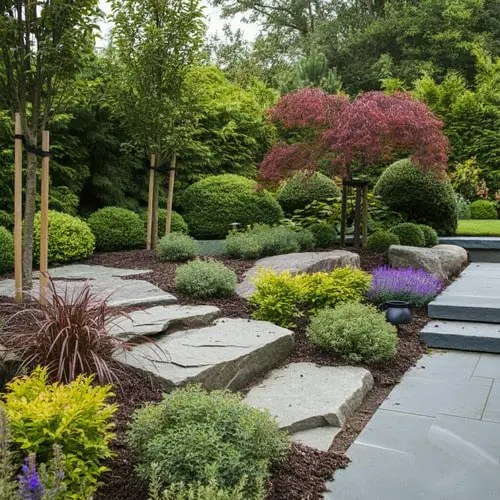
Sustainable landscape design begins with understanding and respecting the natural environment. This principle involves:
- Analyzing your site’s topography, soil type, and microclimate
- Preserving existing natural features like mature trees and rock formations
- Mimicking natural ecosystems in your design
By working with nature, you create a landscape that’s more resilient and requires less intervention to thrive.
2. Prioritize Water Conservation
Water is a precious resource, and sustainable landscapes use it wisely. Implement water-efficient landscaping techniques such as:
- Installing drip irrigation systems
- Grouping plants with similar water needs (hydrozoning)
- Harvesting rainwater for garden use
- Using mulch to retain soil moisture
These strategies not only conserve water but can also lead to significant savings on your water bill.
3. Embrace Native Plant Landscaping
Native plants are the backbone of sustainable landscape design. They offer numerous benefits:
- Adapted to local climate and soil conditions
- Require less water and maintenance
- Provide habitat for local wildlife
- Preserve regional biodiversity
Research plants native to your area and incorporate them into your design for a truly sustainable landscape.
4. Create Habitat Diversity
A sustainable landscape supports a wide variety of life. Enhance biodiversity by:
- Including plants that flower at different times of the year
- Providing water sources like bird baths or small ponds
- Creating different layers of vegetation (ground cover, shrubs, trees)
- Leaving some areas “wild” for natural habitat
This diversity not only supports local ecosystems but also creates a more dynamic and interesting landscape.
5. Practice Sustainable Soil Management
Healthy soil is the foundation of a sustainable landscape. Implement these practices:
- Use organic fertilizers and compost
- Avoid synthetic pesticides and herbicides
- Practice crop rotation in vegetable gardens
- Minimize soil disturbance to protect beneficial microorganisms
By nurturing your soil, you create a self-sustaining ecosystem that requires fewer inputs over time.
6. Incorporate Sustainable Materials
When adding hardscaping elements, choose materials that are:
- Locally sourced to reduce transportation emissions
- Recycled or reclaimed to minimize resource extraction
- Permeable to allow water infiltration and reduce runoff
- Durable to ensure longevity and reduce replacement frequency
These choices not only support sustainability but can also add unique character to your landscape.
7. Design for Energy Efficiency
A well-designed landscape can significantly impact your home’s energy use. Consider:
- Planting deciduous trees on the south and west sides of your home for summer shade and winter sun
- Using vegetation as windbreaks to reduce heating costs
- Installing green roofs or walls for added insulation
- Incorporating solar-powered landscape lighting
These strategies can lead to substantial energy savings while enhancing your outdoor space.
8. Implement Smart Technology
In the age of digital innovation, sustainable landscapes can benefit from smart technology:
- Install weather-based irrigation controllers that adjust watering schedules based on local conditions
- Use soil moisture sensors to prevent overwatering
- Implement smart lighting systems with motion sensors and timers
- Consider automated composting systems for efficient waste management
These technologies not only conserve resources but also simplify landscape maintenance, making sustainability more accessible.
9. Focus on Edible Landscaping
Combine aesthetics with functionality by incorporating edible plants into your landscape design:
- Plant fruit trees as focal points or for shade
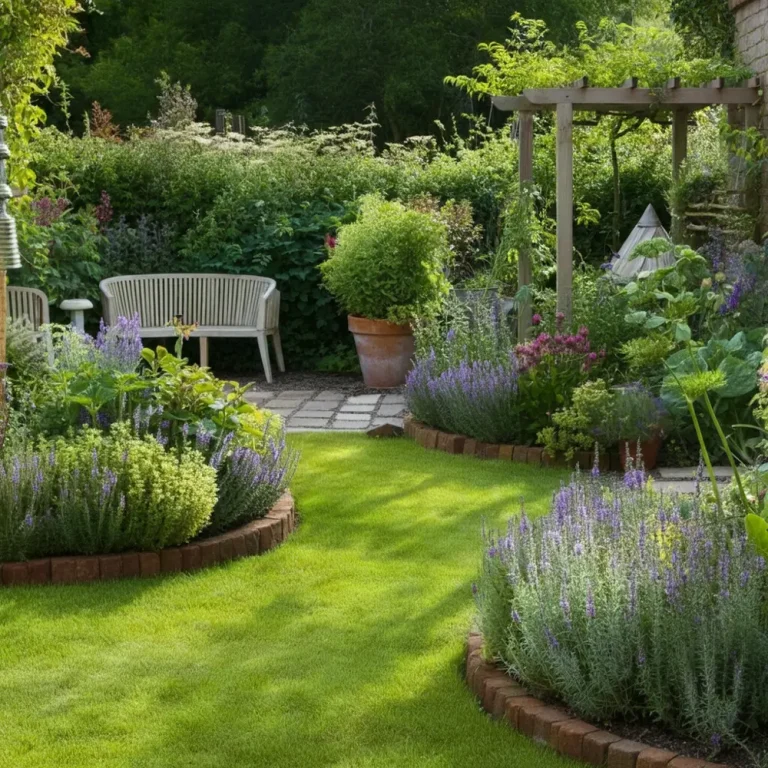
- Use herbs as ornamental borders or ground covers
- Integrate vegetable gardens into your overall design
- Consider vertical gardening for small spaces to grow climbing edibles
Edible landscaping reduces food miles, promotes self-sufficiency, and creates a dynamic, productive outdoor space.
10. Design for Climate Resilience
As climate change impacts become more pronounced, sustainable landscapes should be designed with resilience in mind:

- Choose plants that can withstand extreme weather events
- Design drainage systems to manage both drought and heavy rainfall
- Create microclimates to protect sensitive plants
- Use hardscaping materials that can withstand temperature fluctuations
A climate-resilient landscape not only survives but thrives in the face of changing environmental conditions.
FAQ Section
Q: Is sustainable landscaping more expensive than traditional methods?
A: While initial costs may be higher, sustainable landscapes often save money in the long run through reduced water usage, lower maintenance needs, and energy savings.
Q: How long does it take to establish a sustainable landscape?
A: This varies depending on your specific site and design, but many sustainable landscapes begin to thrive within 2-3 growing seasons.
Conclusion
Embracing the principles of sustainable landscape design isn’t just about creating a beautiful outdoor space – it’s about being a responsible steward of our environment.
By working with nature, conserving water, using native plants, and implementing the other principles we’ve discussed, you can create a low-maintenance sustainable yard that’s both stunning and ecologically beneficial.
Remember, every sustainable landscape is a step towards a greener, healthier planet. So why not start transforming your outdoor space today? Your future self – and the environment – will thank you.
Ready to start your sustainable landscaping journey? Share your eco-friendly garden ideas or questions in the comments below. We’d love to hear how you’re applying these principles in your own yard!