Have you ever wondered why some gardens seem to thrive effortlessly while others require constant attention and resources? The secret might be hiding in plain sight – native plants.
As a landscape architect, I’ve witnessed firsthand the transformative power of incorporating native plants into landscaping designs. But what exactly are native plants, and why should you consider them for your outdoor space?
In this comprehensive guide, we’ll explore the myriad benefits of native plants for landscaping, debunk common myths, and provide practical tips for integrating these local heroes into your garden.
Whether you’re a seasoned gardener or a novice looking to create a more sustainable outdoor space, this post will equip you with the knowledge and inspiration to harness the power of native plants in your landscape.
Table of Contents
What Are Native Plants?
Before we dive into the benefits, let’s clarify what we mean by “native plants.” Native plants are species that have evolved naturally in a particular region over thousands of years. They’ve adapted to local climate conditions, soil types, and wildlife, forming intricate relationships within the ecosystem.
Native vs. Non-Native Plants
While non-native plants can certainly be beautiful and may thrive in certain conditions, they often require more resources and care to maintain. Native plants, on the other hand, are perfectly suited to their local environment, offering a host of benefits that non-native species simply can’t match.
Benefits of Native Plants for Landscaping
Incorporating native plants into your landscape design offers a wealth of advantages. Let’s explore some of the most compelling reasons to go native:
1. Supporting Local Ecosystems
One of the most significant benefits of using native plants in your landscape is their positive impact on local ecosystems:
- Provide food and shelter for native wildlife, including pollinators
- Help maintain the balance of local plant and animal populations
- Preserve biodiversity and genetic diversity within the region
2. Water Conservation
Native plants are adapted to local rainfall patterns, which means:
- Reduced need for irrigation once established
- Better water retention in the soil
- Improved groundwater recharge
3. Low-Maintenance Landscaping
Who doesn’t love a beautiful garden that requires minimal upkeep? Native plants offer:
- Reduced need for fertilizers and pesticides
- Better resistance to local pests and diseases
- Less pruning and overall maintenance
4. Improved Soil Health
Native plants contribute to healthier soils by:
- Preventing erosion with deep root systems
- Improving soil structure and nutrient content
- Supporting beneficial soil microorganisms
5. Climate Change Resilience
As our climate continues to change, native plants offer:
- Better adaptation to local weather extremes
- Increased carbon sequestration
- Reduced urban heat island effect
6. Cost-Effective Landscaping
While the initial cost of native plants may be similar to non-natives, they offer long-term savings through:
- Reduced water bills
- Lower maintenance costs
- Fewer replacements due to plant failure
7. Aesthetic Appeal
Contrary to some misconceptions, native plants can be incredibly beautiful:
- Offer a diverse range of colors, textures, and forms
- Provide year-round interest with seasonal changes
- Create a unique sense of place that reflects local character
8. Cultural significance
Native plants may have historical, cultural, or spiritual significance to local communities, and can be used to educate people about their cultural heritage.
Debunking Common Myths About Native Plants
Despite their many benefits, native plants are sometimes misunderstood. Let’s address some common misconceptions:
Myth 1: Native plants look messy and unkempt.
Reality: With proper design and maintenance, native plant gardens can be just as tidy and attractive as traditional landscapes.
Myth 2: Native plants are weeds.
Reality: While some native plants can be aggressive growers, proper selection and management can prevent them from becoming invasive.
Myth 3: Native plants are difficult to find and expensive.
Reality: Many nurseries now specialize in native plants, and their prices are often comparable to non-native species.
How to Incorporate Native Plants into Your Landscape
Ready to embrace the benefits of native plants in your garden? Here are some practical tips to get you started:
- Research native plants in your area
- Consult local nurseries, botanical gardens, or native plant societies
- Use online databases like the Lady Bird Johnson Wildflower Center’s Native Plants Database
- Assess your site conditions
- Consider factors like sunlight, soil type, and moisture levels
- Choose plants that are well-suited to your specific microclimate
- Start small
- Begin by incorporating native plants into existing beds
- Create a small native plant garden as a test area
- Group plants with similar needs
- Cluster plants with similar water and sunlight requirements
- Create plant communities that mimic natural ecosystems
- Embrace seasonal changes
- Appreciate the natural cycles of growth, blooming, and dormancy
- Plan for year-round interest with a variety of plants
- Be patient
- Native plants may take time to establish, but they’ll thrive in the long run
- Resist the urge to overwater or fertilize, as this can hinder their natural adaptations
Native Plants for Different Landscape Styles
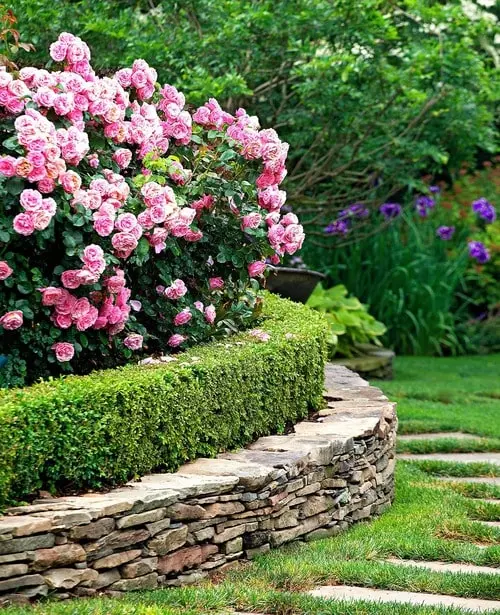
Native plants can be incorporated into various landscape styles:
- Formal gardens: Use native shrubs for hedges or geometric plantings
- Cottage gardens: Mix native wildflowers with traditional cottage plants
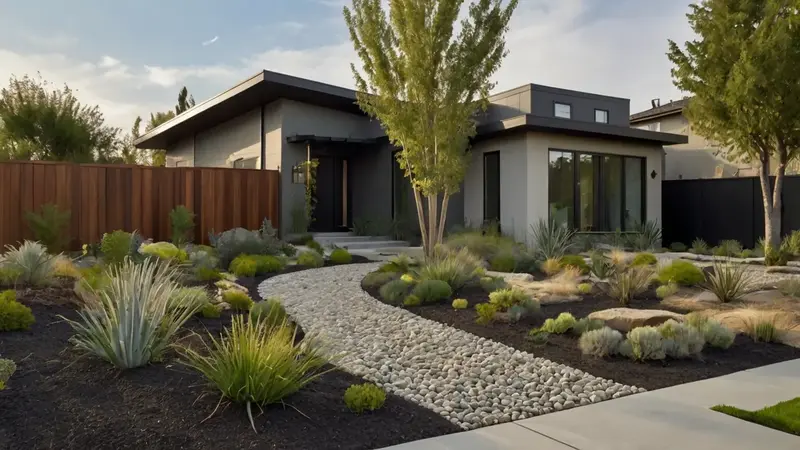
- Modern landscapes: Incorporate native grasses and sculptural plants for a sleek look
- Woodland gardens: Create a layered understory with native ferns and shade-loving perennials
The Future of Landscaping: Native Plants Leading the Way
As we face increasing environmental challenges, the use of native plants in landscaping is more than just a trend – it’s a necessity. By choosing native plants, we can create beautiful, sustainable landscapes that support local ecosystems, conserve resources, and connect us more deeply to the natural world around us.
Conclusion: Embrace the Native Plant Revolution
Incorporating native plants into your landscape is a powerful way to create a beautiful, sustainable outdoor space while supporting your local ecosystem. From water conservation and low maintenance to enhanced biodiversity and climate resilience, the benefits of native plants are truly remarkable.
As you embark on your native plant journey, remember that every garden, no matter how small, can make a difference. By choosing native plants, you’re not just creating a beautiful landscape – you’re becoming a steward of your local environment and contributing to a more sustainable future.
Are you ready to unlock the potential of native plants in your landscape? Start small, learn as you go, and watch as your garden transforms into a thriving, vibrant ecosystem that brings joy to you and supports the world around you.
Ready to start your native plant adventure? Subscribe to our free newsletter for expert tips on landscaping and sustainability.