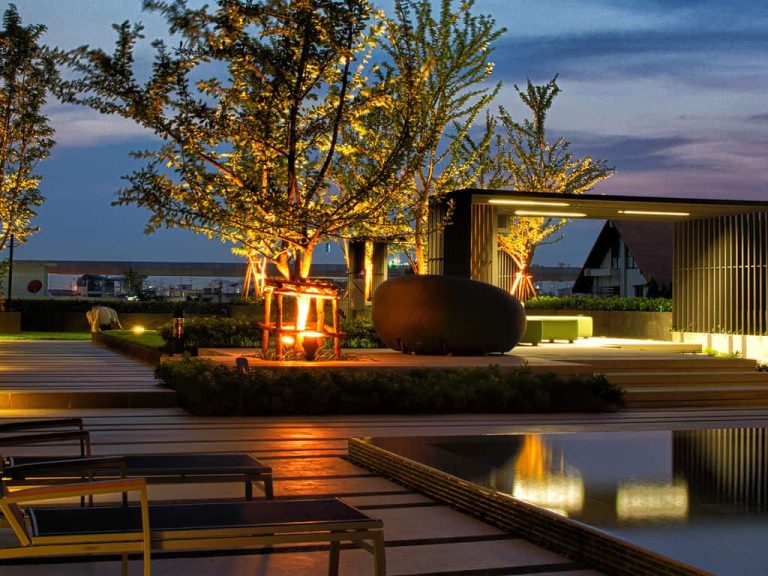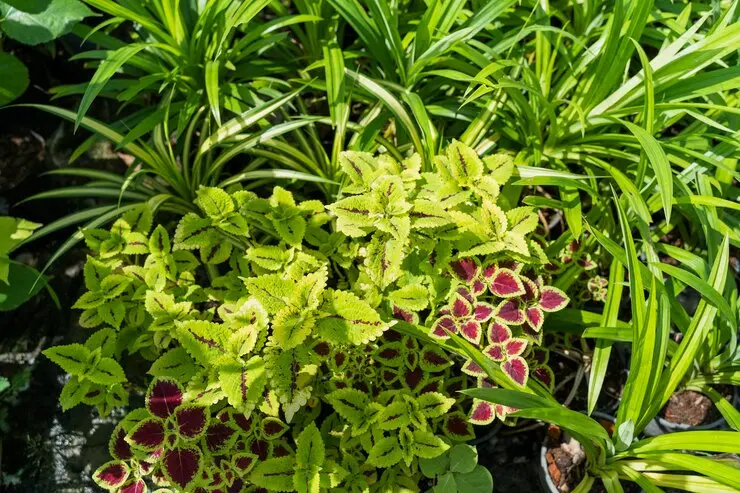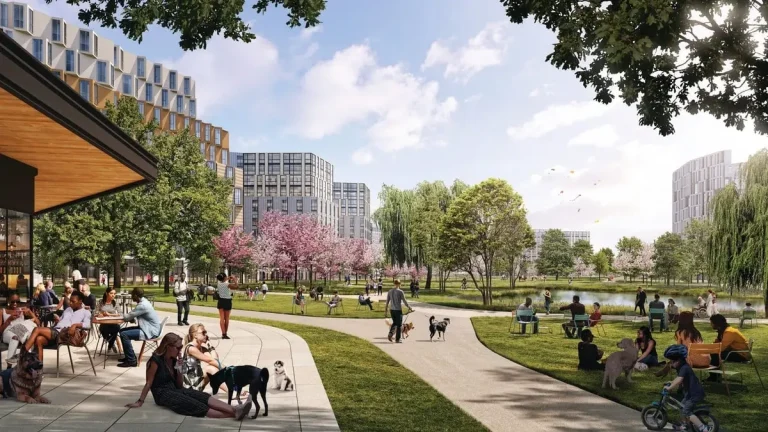

Want a beautiful garden without the hassle? Learn how to create a low-maintenance eco-friendly garden in 10 simple steps!
Have you ever dreamed of having a lush, vibrant garden but worried about the time, effort, and environmental impact? What if I told you that you could have a stunning outdoor space that’s both low-maintenance and eco-friendly? Welcome to the world of sustainable gardening, where Mother Nature does most of the heavy lifting!
As the famous naturalist John Muir once said, “In every walk with nature, one receives far more than he seeks.” Today, we’ll explore how to create a garden that gives back to nature while demanding less from you. Ready to roll up your sleeves and dig into some earth-friendly gardening? Let’s get started!
Will a low-maintenance garden still look beautiful?
Yes! With proper planning and plant selection, a low-maintenance garden can be just as stunning as a high-maintenance one, often with a more natural, harmonious look.
How to Create a Low-Maintenance Eco-Friendly Garden
Transform your backyard into a sustainable paradise! Discover how to create a low-maintenance eco-friendly garden that’s beautiful, budget-friendly, and kind to Mother Nature.
Table of Contents
1. Embrace Native Plant Landscaping
The foundation of any low-maintenance eco-friendly garden is native plants. These local heroes are perfectly adapted to your region’s climate and soil conditions, meaning they:
- Require less water and maintenance
- Are more resistant to local pests and diseases
- Provide essential habitat for local wildlife
- Help preserve your region’s biodiversity
Action step: Research plants native to your area and make them the stars of your garden show.
2. Design a Water-Wise Garden
Water conservation is key to both eco-friendliness and low maintenance. Implement these water-wise garden design techniques:
- Group plants with similar water needs (hydrozoning)
- Install a drip irrigation system for efficient watering
- Use mulch to retain soil moisture and reduce evaporation
- Collect rainwater for garden use
Pro tip: Consider replacing some lawn areas with drought-tolerant groundcovers or hardscaping to further reduce water usage.
3. Build Healthy Soil
Healthy soil is the secret ingredient to a thriving, low-maintenance garden. Here’s how to nurture your soil:
- Start composting kitchen scraps and yard waste
- Use organic fertilizers instead of synthetic ones
- Avoid tilling to preserve soil structure and beneficial organisms
- Practice crop rotation in vegetable gardens
Remember, healthy soil means healthier plants that can better resist pests and diseases.
4. Choose Multi-Functional Plants
Make your plants work double-duty by selecting species that serve multiple purposes:
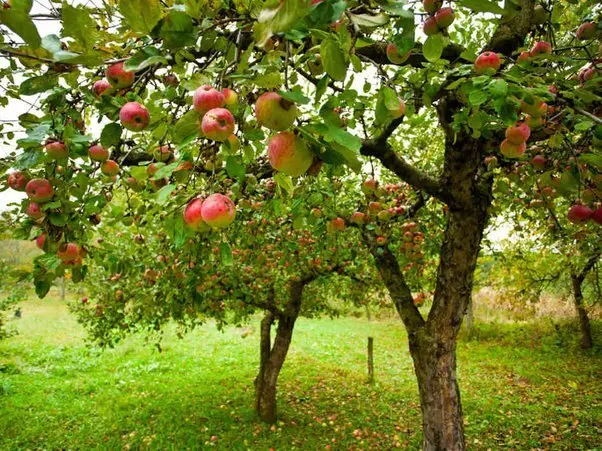
- Plant fruit trees for shade and food production
- Use herbs as ornamental borders and for cooking
- Select flowering plants that also attract beneficial insects
- Opt for perennials that come back year after year without replanting
This strategy reduces maintenance while maximizing the benefits of each plant in your garden.
5. Implement Smart Watering Techniques
Efficient watering is crucial for a low-maintenance eco-friendly garden. Consider these strategies:
- Water deeply but infrequently to encourage deep root growth
- Water early in the morning to minimize evaporation
- Use soaker hoses or drip irrigation for targeted watering
- Install a rain sensor on your irrigation system to prevent overwatering
These techniques not only conserve water but also promote healthier plant growth.
6. Practice Natural Pest Control
Ditch the harmful chemicals and embrace organic pest control methods:
- Encourage beneficial insects like ladybugs and praying mantises
- Use companion planting to naturally repel pests
- Make homemade pest sprays with ingredients like neem oil or garlic
- Manually remove pests when populations are small
Natural pest control maintains the ecological balance in your garden and is safer for you and your family.
7. Create Wildlife Habitats
A garden that welcomes wildlife is not only eco-friendly but also more self-sustaining:
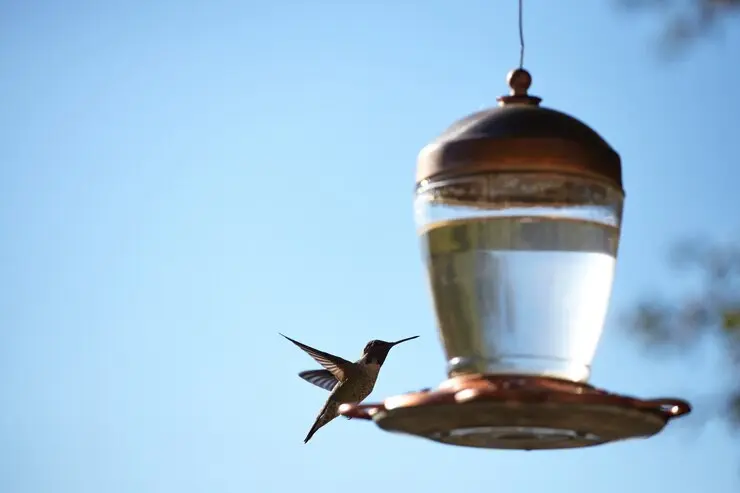
- Install bird feeders and baths
- Create a small pond or water feature
- Leave some areas of your garden “wild”
- Plant flowers that attract pollinators like bees and butterflies
Wildlife will help with pest control and pollination, reducing your workload.
8. Use Sustainable Materials
When adding hardscaping elements, opt for sustainable materials:
- Choose locally sourced stones or reclaimed wood for pathways
- Use permeable paving to allow water infiltration
- Incorporate recycled materials in garden art or structures
- Select durable materials that won’t need frequent replacement
These choices reduce your garden’s environmental footprint and minimize long-term maintenance.
9. Implement Smart Mowing Practices
If you have a lawn, make it more eco-friendly and lower maintenance:
- Mow high to promote deeper root growth and shade out weeds
- Leave grass clippings on the lawn as natural fertilizer
- Consider replacing some lawn areas with native plant beds or groundcovers
- Use a manual or electric mower instead of gas-powered ones
These practices reduce water usage, minimize emissions, and create a healthier lawn.
10. Plan for Year-Round Interest
Design your garden to be beautiful in all seasons with minimal effort:
- Include plants with interesting bark or structure for winter appeal
- Plant spring bulbs for early color
- Use ornamental grasses for summer and fall interest
- Incorporate evergreens for year-round greenery
A well-planned garden remains attractive throughout the year without constant replanting or maintenance.
FAQ Section
Q: How long does it take to establish a low-maintenance eco-friendly garden?
A: While it depends on your specific site and design, most gardens start to thrive and require less maintenance within 2-3 growing seasons.
Q: Can I create an eco-friendly garden in a small space?
A: Absolutely! Even balconies or small yards can become eco-friendly havens with container gardening, vertical planting, and careful plant selection.
Conclusion
Creating a low-maintenance eco-friendly garden isn’t just about reducing your workload – it’s about fostering a harmonious relationship with nature. By embracing native plants, conserving water, nurturing soil health, and implementing the other strategies we’ve discussed, you can create a beautiful outdoor space that thrives with minimal intervention.
Remember, every sustainable garden is a step towards a healthier planet. So why not start transforming your outdoor space today? Your future self – and Mother Nature – will thank you.
Ready to start your eco-friendly garden adventure? Share your sustainable gardening tips or questions in the comments below. Let’s grow a greener world together!
Related: 10 Essential Sustainable Landscape Design Principles