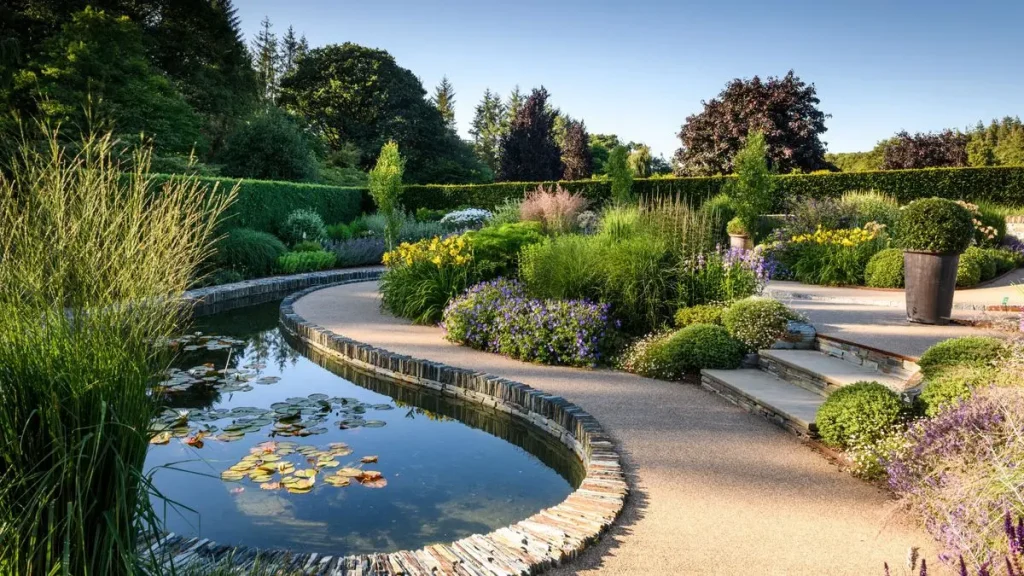
Have you ever wondered why the sound of a bubbling brook or the sight of a shimmering pond can instantly transport you to a state of tranquility? What is it about water that has such a profound effect on our psyche and our surroundings?
As a landscape architect, I’ve witnessed firsthand the transformative power of water features in landscape design. From intimate courtyard fountains to expansive waterfall cascades, these aquatic elements have the ability to turn ordinary outdoor spaces into extraordinary havens of peace and beauty.
In this comprehensive guide, we’ll dive deep into the world of water features in landscape design, exploring their history, benefits, and the myriad ways they can enhance your outdoor living experience.
Whether you’re a homeowner looking to add a touch of serenity to your backyard or a professional designer seeking inspiration for your next project, this article will equip you with the knowledge and ideas to make a splash in the world of landscape architecture.
Table of Contents
The Historical Significance of Water Features in Landscape Design
Water has been a central element in landscape design for thousands of years, dating back to ancient civilizations. Let’s take a brief journey through time to understand the evolution of water features:
Ancient Wonders: From Babylon to Rome
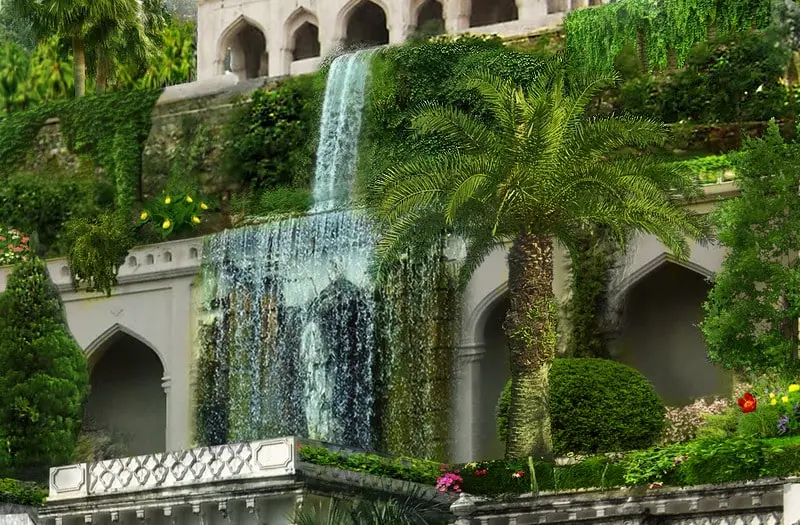
- The Hanging Gardens of Babylon: One of the Seven Wonders of the Ancient World, featuring elaborate water systems
- Roman atriums and peristyle gardens: Incorporating impluviums and fountains for both practical and aesthetic purposes
Renaissance Revival and Beyond
- Italian Renaissance gardens: Showcasing grand water displays and hydraulic marvels
- French formal gardens: Utilizing water features as symbols of power and control over nature
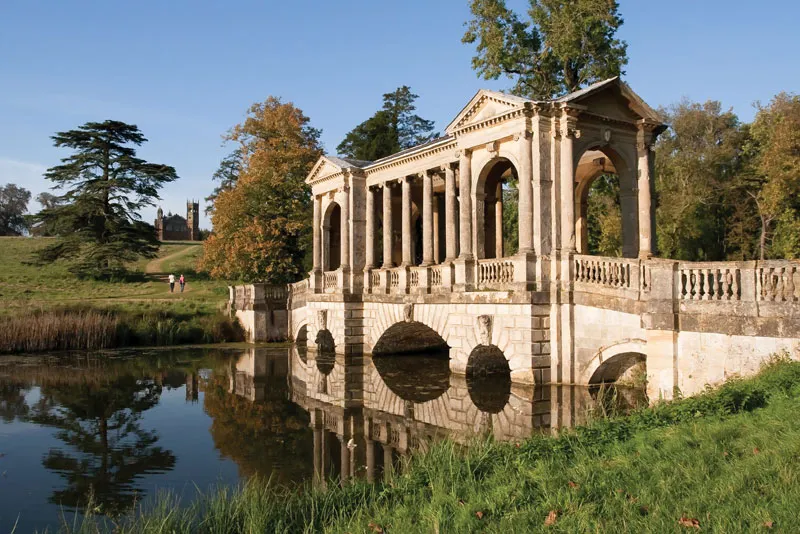
- English landscape gardens: Integrating naturalistic water elements like serpentine lakes and cascades
The Benefits of Incorporating Water Features in Your Landscape
Water features offer more than just visual appeal. They provide a host of benefits that can enhance your outdoor space and overall well-being:
- Stress reduction and relaxation: The sound of water has a calming effect on the mind and body
- Improved air quality: Moving water releases negative ions, which can help purify the air
- Wildlife attraction: Water features create habitats for birds, butterflies, and other beneficial creatures
- Temperature regulation: Large water bodies can help cool surrounding areas on hot days
- Noise masking: The sound of water can help drown out unwanted noise from traffic or neighbors
- Increased property value: Well-designed water features can boost the aesthetic and monetary value of your property
Types of Water Features for Every Landscape
The world of outdoor water elements is vast and varied. Here are some popular landscape water feature ideas to consider:
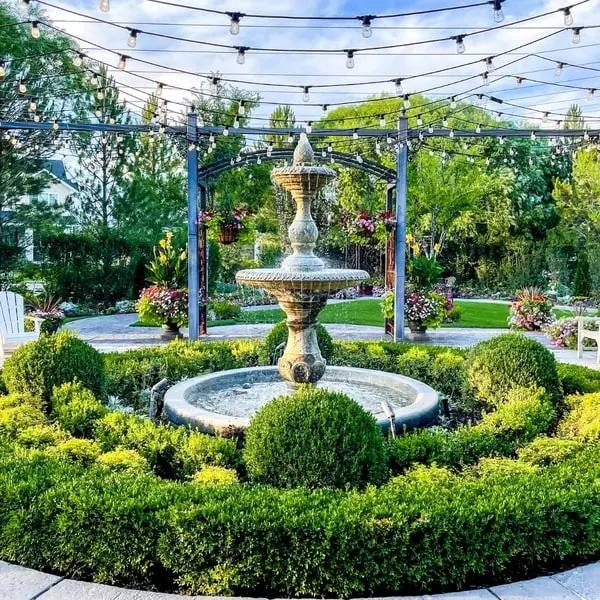
1. Fountains
- Wall fountains
- Freestanding fountains
- Pondless fountains
- Sculptural water features
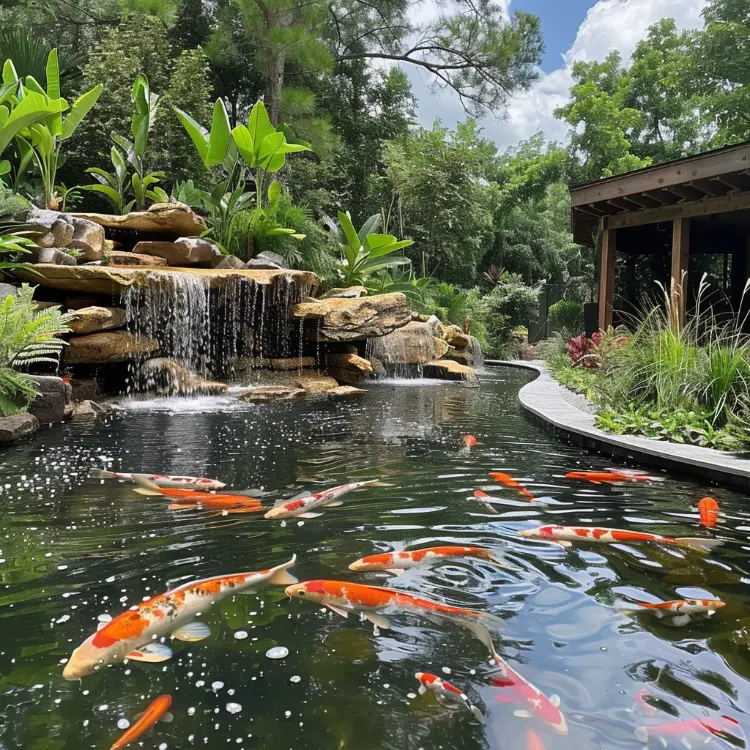
2. Ponds and Lakes
- Koi ponds
- Swimming ponds
- Reflection pools
- Wildlife ponds
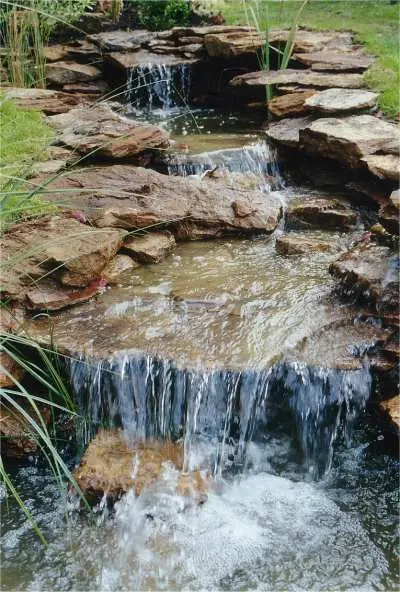
3. Streams and Waterfalls
- Naturalistic streams
- Formal canal systems
- Cascading waterfalls
- Step fountains
4. Modern Marvels
- Water walls
- Fog fountains
- Interactive water displays
- LED-illuminated water features

Sustainable Water Features: Merging Beauty with Eco-Consciousness
As we become more aware of our environmental impact, sustainable water features are gaining popularity. Here are some eco-friendly options:
- Rainwater harvesting systems
- Solar-powered pumps and filtration
- Native aquatic plants for natural filtration
- Recirculating water systems to minimize waste
Designing with Water: Tips from the Experts
Creating a successful water feature requires careful planning and consideration. Here are some expert tips to guide you:
- Consider the scale: Ensure your water feature is proportionate to your overall landscape
- Mind the views: Position water features where they can be enjoyed from multiple vantage points
- Plan for maintenance: Design with ease of upkeep in mind
- Integrate with the surroundings: Use materials and plants that complement your existing landscape
- Think about lighting: Incorporate illumination to create dramatic nighttime effects
- Account for sound: Consider how the water feature’s sound will interact with your space
- Safety first: Implement necessary safety measures, especially if children or pets are present
Case Studies: Inspiring Water Feature Projects
Let’s explore some real-world examples of stunning water features in landscape design:
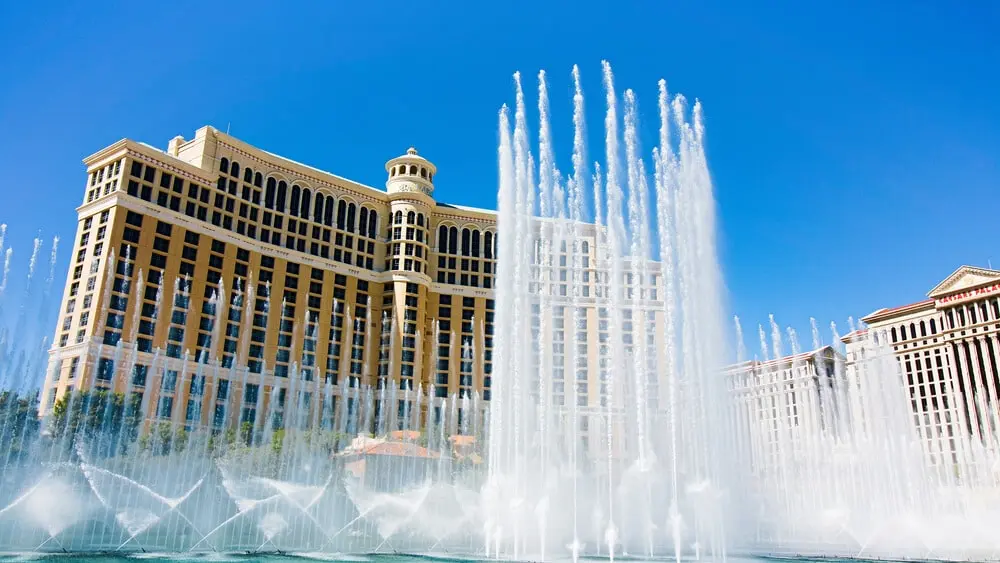
- The Bellagio Fountains, Las Vegas: A grand-scale choreographed water display
- Paley Park, New York City: An urban oasis featuring a soothing waterfall wall
- Fallingwater, Pennsylvania: Frank Lloyd Wright’s masterpiece integrating architecture with natural waterfalls
- Gardens by the Bay, Singapore: Showcasing innovative and sustainable water features
Overcoming Common Challenges in Water Feature Design
While water features can be a beautiful addition to any landscape, they come with their own set of challenges. Here’s how to address some common issues:
- Algae control: Implement proper filtration and consider adding aquatic plants
- Water loss: Use high-quality liners and regularly check for leaks
- Freezing concerns: Install de-icers or shut off systems in cold climates
- Mosquito prevention: Keep water moving and use natural deterrents like mosquito fish
The Future of Water Features in Landscape Architecture
As technology advances and environmental concerns grow, the future of water features is evolving. Some emerging trends include:
- Smart water features controlled by mobile apps
- Water-efficient designs that minimize consumption
- Integration of water features with rainwater management systems
- Biofiltered swimming pools that blend seamlessly with the landscape
Frequently Asked Questions
Q: How much does it cost to install a water feature?
A: Costs can vary widely, from a few hundred dollars for a small prefab fountain to tens of thousands for custom-designed waterfalls or ponds.
Q: Are water features difficult to maintain?
A: Maintenance requirements depend on the type and size of the feature. Regular cleaning and water quality checks are typically necessary, but many modern systems are designed for easy upkeep.
Q: Can I install a water feature in a small space?
A: Absolutely! There are water features designed for every space, from tiny balconies to expansive estates. Wall fountains and pondless water features are excellent options for smaller areas.
Q: Do water features attract mosquitoes?
A: Properly designed water features with moving water are less likely to attract mosquitoes. Additional preventive measures can be taken if necessary.
Q: How can I make my water feature more eco-friendly?
A: Consider using solar-powered pumps, incorporating rainwater harvesting, and choosing native aquatic plants for natural filtration.
Conclusion
In conclusion, water features in landscape design offer a unique opportunity to create captivating, multisensory experiences in outdoor spaces. By thoughtfully integrating these elements, we can craft environments that not only please the eye but also soothe the soul and support local ecosystems.
As you embark on your own water feature journey, remember that the possibilities are as vast as the oceans themselves. Let your creativity flow, and watch as your landscape transforms into a liquid masterpiece.
Ready to make a splash with your own water feature? Contact our team of expert landscape designers today for a free consultation and bring the soothing power of water to your outdoor space!